
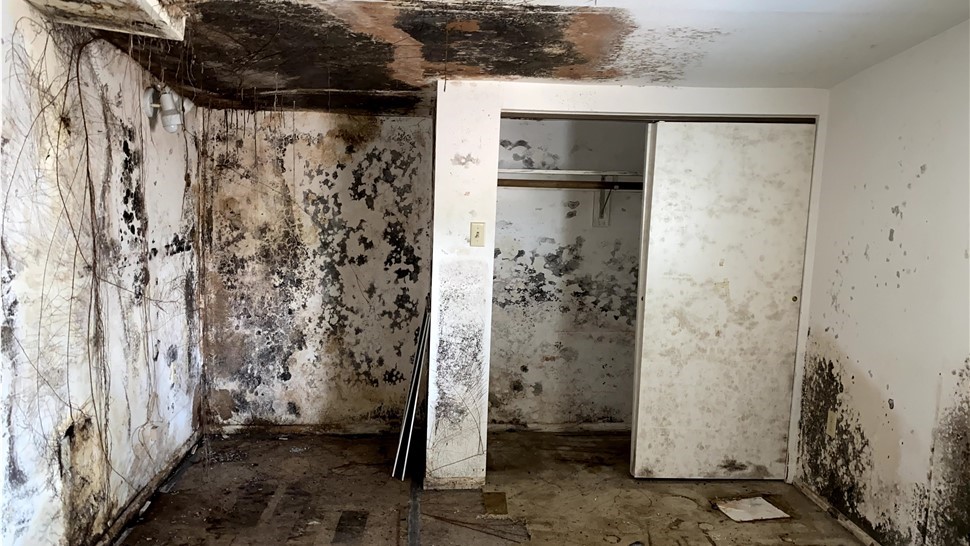
How Water Damage Turns Into Mold Problems – Lessons From Real Inspections for Homes in Coral Springs
Homeowners in Coral Springs are often shocked by how quickly a small water issue turns into a serious mold problem. A minor roof drip, a slow plumbing leak, or a brief AC backup doesn’t feel like an emergency—until weeks later when odors appear, allergies flare up, or walls start to stain.
After reviewing countless real inspections in Coral Springs homes, one lesson stands out: mold problems don’t come from dramatic floods—they come from moisture that quietly sticks around. This article breaks down how that happens, what we repeatedly find during inspections, and what Coral Springs homeowners can learn from real-world cases.
Lesson #1: Water Damage Is Often Invisible at First
In many Coral Springs homes, water damage doesn’t announce itself.
What homeowners usually see:
- A small ceiling stain
- A damp cabinet base
- A brief AC overflow
- A leak that “seems fixed”
What inspections later reveal:
- Wet insulation behind drywall
- Moisture traveling along framing
- Damp materials far beyond the visible spot
Water follows gravity, capillary action, and air pressure—not your expectations. By the time mold appears, the moisture has already spread.
Lesson #2: Mold Starts Growing Faster Than Most People Think
One of the most consistent findings during inspections is timing.
In South Florida conditions:
- Mold can begin forming in 24–48 hours
- Colonies expand rapidly in warm, humid air
- Growth accelerates inside dark, still spaces
Coral Springs homes provide ideal conditions:
- High humidity
- Warm temperatures
- Tightly sealed construction
- Constant AC use
When drying is incomplete, mold doesn’t wait.
Lesson #3: Drying the Surface Doesn’t Dry the Structure
A major mistake homeowners make is trusting what they can touch.
During inspections, we often find:
- Walls that feel dry but read wet internally
- Floors dry on top but soaked underneath
- Ceilings dry to the eye but saturated above
Why this happens:
- Drywall dries from the outside in
- Insulation traps moisture like a sponge
- Wood framing releases moisture slowly
Surface drying creates a false sense of security while mold grows out of sight.
Lesson #4: Humidity Keeps the Damage Alive
Even after the water source stops, humidity can keep moisture active.
In Coral Springs inspections, we frequently measure:
- Indoor humidity above 60%
- Condensation forming on vents and ducts
- Moisture persisting long after repairs
High humidity slows evaporation and feeds mold growth. Homes that rely solely on AC—without proper dehumidification—often stay damp enough for mold to thrive.
Lesson #5: HVAC Systems Spread Mold Farther Than Expected
One of the most eye-opening inspection findings involves HVAC systems.
We commonly see:
- Mold on evaporator coils
- Wet drain pans that never fully dry
- Moist duct insulation
- Mold spores circulating through vents
Once moisture reaches the HVAC system, a localized water issue can turn into a whole-home mold problem. This explains why odors and symptoms appear in rooms far from the original leak.
Lesson #6: Mold Loves Drywall (Especially in Coral Springs Homes)
Drywall shows up in nearly every mold case we inspect.
Why drywall is a problem:
- Paper backing is organic
- It absorbs moisture quickly
- It dries slowly behind the surface
In many Coral Springs homes, inspectors find heavy mold growth behind perfectly clean-looking walls. The visible mold, if any, is often the smallest part of the issue.
Lesson #7: “Old” Water Damage Is Still a Mold Risk
Homeowners often say:
“That leak happened months ago.”
Inspections frequently show:
- Residual moisture still trapped
- Mold growth continuing long after repairs
- Damage that worsened quietly over time
Water damage doesn’t expire. If materials never fully dried, mold can develop long after the original event.
Lesson #8: DIY Cleanup Delays the Real Fix
Many Coral Springs homeowners attempt cleanup before calling for help.
Common DIY actions we see:
- Bleaching visible stains
- Painting over water marks
- Running household fans
- Replacing small sections of drywall
Inspection results often reveal:
- Mold roots still active behind materials
- Moisture never addressed
- Mold spread into adjacent areas
DIY efforts usually remove evidence, not the problem.
Lesson #9: Mold Rarely Stays Where It Started
During real inspections, mold almost never stays contained.
We often track growth:
- From a bathroom into adjacent walls
- From a kitchen leak into living spaces
- From a ceiling into attic insulation
- From one room into HVAC pathways
This is why spot repairs fail—mold spreads along moisture paths, not room boundaries.
Lesson #10: Odors and Health Symptoms Are Early Clues
Many inspections begin with complaints, not visible mold.
Homeowners report:
- Musty smells that won’t go away
- Allergy symptoms worse at home
- Headaches or fatigue indoors
- Sinus issues with no clear cause
In many cases, inspections uncover hidden mold tied directly to past water damage—often inside walls or air systems.
Lesson #11: Delayed Action Multiplies Costs
Inspection history shows a clear pattern:
- Early response → limited drying and localized removal
- Delayed response → demolition, duct involvement, rebuilding
What starts as a small water issue often escalates into:
- Drywall and insulation removal
- Cabinet or flooring damage
- HVAC cleaning or replacement
- Longer project timelines
Same house. Same leak. Very different outcome.
Lesson #12: Mold Removal Only Works When Moisture Is Solved
From real inspections, one rule never changes:
👉 If moisture isn’t fixed, mold comes back.
Successful projects always include:
- Identifying the true moisture source
- Drying materials to normal levels
- Controlling indoor humidity
- Verifying conditions before rebuilding
Skipping verification is one of the most common reasons mold problems return.
Common Coral Springs Water Sources That Lead to Mold
Based on inspection data, the most frequent triggers include:
- AC drain line backups
- Roof leaks after heavy rain
- Slow plumbing leaks in walls
- Window and sliding door intrusion
- Slab leaks under flooring
None of these need to be dramatic to cause mold—just persistent.
Prevention Lessons From Homes That Avoid Mold
Homes with fewer mold issues tend to:
- Keep indoor humidity below 55%
- Address leaks immediately
- Maintain HVAC systems regularly
- Improve airflow in closed rooms
- Investigate odors early
Prevention doesn’t require perfection—just awareness.
Final Thoughts: Water Damage Isn’t the Problem—Lingering Moisture Is
Real inspections in Coral Springs tell the same story over and over: water damage turns into mold when moisture is allowed to linger. Not because homeowners don’t care—but because the damage hides, dries unevenly, and quietly feeds mold growth.
The most expensive mold cases don’t start with floods.
They start with small water problems that were easy to overlook.
Understanding how water damage behaves—and acting before moisture settles in—keeps mold manageable, air quality healthier, and repair costs far lower.
