
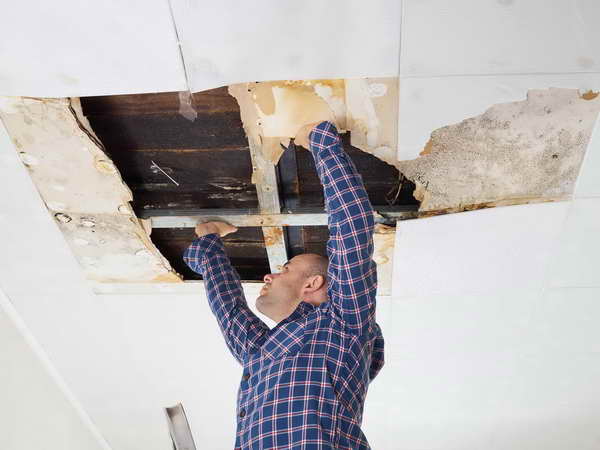
How Water Damage Turns Into Mold Problems – Lessons From Real Inspections for Homes in Fort Lauderdale
Water damage feels urgent. Mold problems usually don’t. That difference alone explains why so many Fort Lauderdale homes end up with serious mold issues weeks or months after the water is “handled.” The leak stopped. The floor dried. The stain faded. Everyone relaxed. Meanwhile, mold quietly got to work where no one was looking.
What real inspections across Fort Lauderdale teach us is this: water damage doesn’t turn into mold because homeowners don’t care—it turns into mold because hidden moisture gets ignored. This article breaks down exactly how that happens, what inspectors consistently see inside homes, and why timing matters more than almost anything else.
Lesson #1: Visible Water Is the Smallest Part of the Problem
This catches homeowners off guard every time.
What Inspections Actually Reveal
In Fort Lauderdale homes, inspectors regularly find:
- Dry-looking surfaces
- No standing water
- No obvious leaks
But behind those surfaces? Moisture still sits inside walls, floors, and insulation. Mold doesn’t care what you can see. It cares what stayed wet.
Lesson #2: The 24–48 Hour Drying Window Is Real
This isn’t a guideline—it’s a pattern.
Why Timing Changes Outcomes
From inspection data:
- Materials that dry within 24–48 hours rarely develop mold
- Materials that stay damp longer almost always do
Fort Lauderdale’s humidity slows drying dramatically. Even minor water events can push materials past that window without homeowners realizing it.
Lesson #3: Drywall Is a Mold Magnet After Water Damage
Drywall hides problems extremely well.
What We See Behind Walls
In homes with past water damage, inspections often uncover:
- Mold growing on the backside of drywall
- Damp insulation trapped inside wall cavities
- No visible signs on the painted surface
Paint hides moisture well. Mold grows quietly until it pushes through weeks or months later.
Lesson #4: Flooring Traps Moisture Longer Than Expected
Floors feel solid. That’s misleading.
What Happens Under Flooring
After leaks or flooding, inspections commonly find:
- Moisture trapped under tile
- Damp padding under carpet
- Mold growing on subfloors
Homeowners walk across dry floors every day, unaware mold is growing underneath.
Lesson #5: Cabinets and Built-Ins Become Mold Hotspots
These areas dry painfully slow.
Why Inspectors Always Check Cabinets
Cabinets:
- Block airflow
- Sit against exterior walls
- Trap moisture after plumbing leaks
Under sinks and behind base cabinets, inspectors frequently find mold long after water damage was “fixed.”
Lesson #6: HVAC Systems Multiply Mold Problems After Water Damage
This is where small issues become widespread.
What Inspections Reveal Inside HVAC Systems
In Fort Lauderdale homes with past water damage, HVAC inspections often uncover:
- Mold on evaporator coils
- Standing water in drain pans
- Damp internal insulation
- Mold inside air handlers
Once mold reaches the HVAC system, spores circulate throughout the home—even rooms that never had water exposure.
Lesson #7: Fort Lauderdale’s Climate Slows Drying Everywhere
Climate changes everything.
Local Conditions That Work Against Homes
Homes here deal with:
- High year-round humidity
- Frequent storms
- Constant AC use
- Limited natural ventilation
Cooling air doesn’t equal drying it. Moisture often stays locked inside materials long after surfaces feel dry.
Lesson #8: Mold Often Appears Long After the Water Event
This delay confuses homeowners.
How Mold Develops Over Time
After water damage:
- Moisture stays trapped
- Mold grows slowly at first
- No smell or visible signs appear
Eventually, mold reaches a tipping point and becomes noticeable—long after the water event feels unrelated.
Lesson #9: Odor Is a Late Warning Sign
Waiting for smell delays action.
Why Mold Often Has No Early Smell
Many Fort Lauderdale homes with confirmed mold:
- Smell completely normal
- Show no staining
- Feel dry to the touch
Mold often affects air quality before it ever smells musty.
Lesson #10: DIY Drying Usually Misses Hidden Moisture
Fans help—but only so much.
Why DIY Drying Falls Short
DIY efforts typically:
- Dry visible surfaces
- Miss moisture inside walls
- Ignore insulation and cavities
Inspection data consistently shows hidden moisture as the reason mold develops after DIY cleanup.
Lesson #11: Mold Doesn’t Need a Flood to Start
Big events get blamed. Small ones do the damage.
What Inspections Actually Trace Mold Back To
In Fort Lauderdale homes, mold often follows:
- Minor plumbing leaks
- AC condensation issues
- Window or roof intrusion
- Slow, unnoticed moisture buildup
Mold grows from duration, not drama.
Lesson #12: Mold Removal After Water Damage Is Not Enough
This mistake leads to repeat problems.
Mold Removal vs Mold Remediation
Mold removal:
- Cleans visible growth
- Misses hidden sources
- Leaves moisture active
Mold remediation includes:
- Moisture detection
- Containment
- HEPA air filtration
- Removal of contaminated materials
- Moisture correction
- Preventive treatments
Only remediation stops the cycle.
Lesson #13: Health Symptoms Often Show Up First
People feel mold before they see it.
Common Complaints After Past Water Damage
Inspectors frequently hear about:
- Allergy symptoms indoors
- Headaches or fatigue
- Respiratory irritation
- Symptoms improving outside
These patterns often lead inspections back to old water damage events.
Lesson #14: Waiting Always Increases the Scope
This pattern never changes.
What Delays Usually Lead To
Ignoring hidden moisture allows:
- Mold to spread deeper
- More materials to become contaminated
- HVAC systems to get involved
What could have been limited drying turns into full remediation later.
Lesson #15: Inspection Prevents Guesswork and Overspending
Guessing is expensive.
What Inspection Actually Provides
Professional inspection:
- Confirms hidden moisture
- Identifies mold locations
- Defines remediation scope
- Prevents unnecessary demolition
Inspection costs far less than expanded remediation later.
Warning Signs Mold Is Already Developing
Based on real inspections in Fort Lauderdale:
- Stains slowly spreading
- Musty odors that come and go
- Condensation near vents
- Mold returning after cleaning
- Health symptoms indoors
Multiple signs usually mean mold is already active.
Practical Lessons Homeowners Can Use Immediately
You don’t need panic. You need process.
Smart Actions After Water Damage
- Act fast after any water exposure
- Verify drying—don’t assume it
- Inspect walls, floors, and HVAC systems
- Control indoor humidity
- Address condensation early
Each step dramatically reduces mold risk.
When Immediate Inspection Is Critical
Don’t wait when:
- Water affected walls or floors
- Drying took longer than 24–48 hours
- HVAC systems were exposed
- Symptoms or odors appear later
At this stage, inspection saves money.
Final Thoughts: Water Damage Turns Into Mold Quietly
In Fort Lauderdale homes, water damage doesn’t turn into mold overnight. It turns into mold quietly—behind walls, under floors, and inside HVAC systems—while everything looks fine on the surface. Real inspections prove that mold problems aren’t sudden. They’re delayed consequences of hidden moisture.
Dry thoroughly. Verify moisture. Inspect early. Fix causes, not appearances. When homeowners respect how water actually behaves in Fort Lauderdale homes, mold stops being a surprise—and starts being preventable.
