
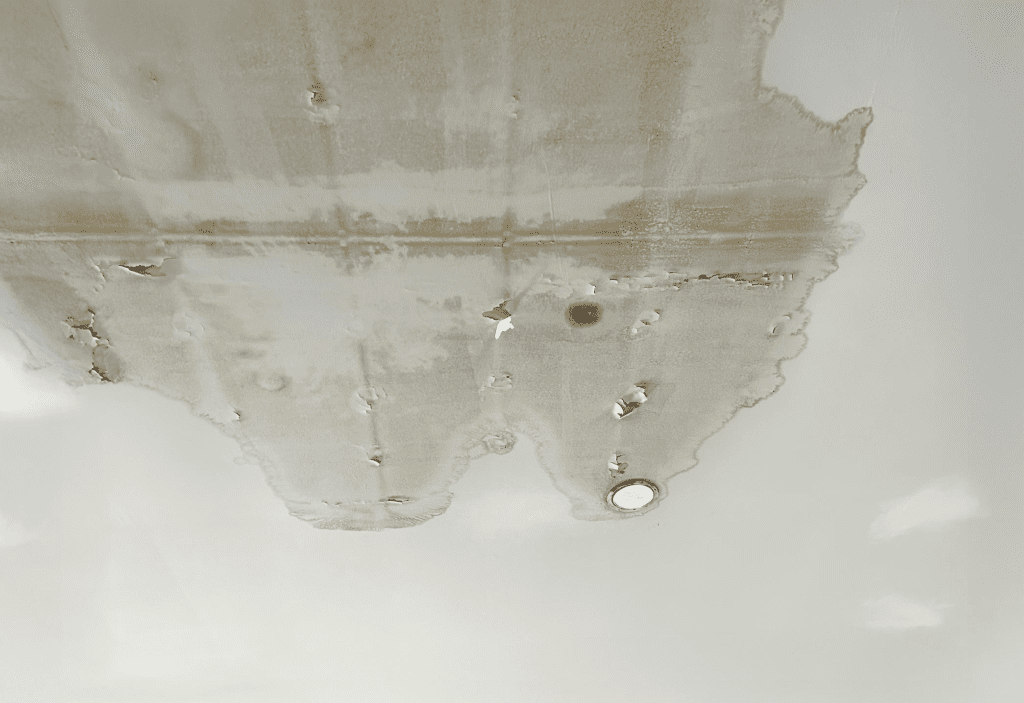
How Water Damage Turns Into Mold Problems – Lessons From Real Inspections for Homes in Oakland Park
In Oakland Park, Florida, water damage is one of the most common issues we encounter during home inspections—and it’s also the starting point for many mold problems homeowners never see coming. What begins as a small leak, minor overflow, or AC issue often turns into hidden mold growth weeks or months later. By the time symptoms or odors appear, the damage is already done.
Based on real inspections in Oakland Park homes, this guide explains how water damage actually turns into mold, where homeowners tend to miss early warning signs, and what lessons matter most in South Florida’s climate.
Lesson One: Mold Starts Faster Than Most Homeowners Expect
One of the biggest misconceptions we see during inspections is timing. Many homeowners assume mold takes a long time to develop.
The reality:
Mold can begin growing within 24–48 hours after water damage if moisture is not properly removed. In Oakland Park’s warm, humid environment, this timeline can be even shorter.
Common triggers include:
- AC drain line backups
- Small plumbing leaks
- Roof seepage after heavy rain
- Appliance leaks
- Bathroom overflows
Even brief moisture exposure can be enough when drying is incomplete.
Lesson Two: Most Mold Grows Where You Can’t See It
During inspections, visible mold is rarely the starting point. Most mold problems begin inside walls, under flooring, or above ceilings.
Frequent hidden locations in Oakland Park homes include:
- Behind drywall near plumbing lines
- Under tile or laminate flooring
- Behind baseboards
- Inside AC closets
- Above ceilings below roof leaks
By the time mold becomes visible, it’s usually been growing quietly for weeks or months.
Lesson Three: “It Dried” Doesn’t Mean It’s Dry
A common theme we hear from homeowners is, “The area dried, so we thought it was fine.”
From inspection data, this assumption causes more mold problems than almost anything else.
Why surface drying fails:
- Drywall absorbs moisture internally
- Insulation holds water long after surfaces dry
- Concrete slabs retain moisture below flooring
- Wall cavities trap humidity
Without moisture readings, there’s no way to confirm proper drying.
Lesson Four: AC Systems Play a Bigger Role Than Expected
In Oakland Park homes, air conditioning systems are one of the most common sources of ongoing moisture.
Inspection findings often include:
- Standing water in drain pans
- Partially clogged drain lines
- Condensation buildup on coils
- Wet duct insulation
Because AC systems run almost year-round, even small issues can continuously feed mold growth and spread spores throughout the home.
Lesson Five: Mold Often Appears Far From the Original Leak
Another surprising lesson from real inspections is how far water—and mold—can travel.
Examples include:
- A roof leak causing mold behind bedroom walls
- A kitchen leak leading to mold under adjacent flooring
- AC issues creating mold in nearby closets
Water follows gravity and airflow, not convenience. Mold often shows up far from where the damage started.
Lesson Six: Odors and Symptoms Are Late-Stage Warnings
Homeowners often wait until they smell mold or feel unwell before taking action. Unfortunately, these are late-stage indicators.
Common signs that appear after mold is established include:
- Musty odors that come and go
- Allergy symptoms indoors
- Headaches or fatigue at home
- Increased respiratory irritation
By the time these appear, mold growth is rarely new.
Lesson Seven: Small Leaks Cause the Biggest Surprises
Some of the most severe mold cases we see started with very small water issues.
Examples include:
- A slow drip under a sink
- Minor AC condensation
- Hairline roof seepage
- Small slab leaks
Because these leaks don’t cause immediate damage, they’re often ignored—giving mold time to develop.
Lesson Eight: DIY Cleanup Rarely Stops Mold Growth
Many Oakland Park homeowners attempt to clean visible mold once it appears. Inspection results show that mold often returns after DIY efforts.
Common reasons include:
- Moisture source was never fixed
- Mold roots remain inside materials
- Hidden growth was missed
- HVAC contamination was overlooked
Cleaning without addressing moisture almost always leads to regrowth.
Lesson Nine: Older Homes Face Higher Risk
Oakland Park has many older homes, which brings added vulnerability.
Risk factors include:
- Aging plumbing systems
- Older roofing materials
- Limited wall insulation
- Less efficient ventilation
These homes require extra attention after any water-related issue.
Lesson Ten: Early Action Makes a Major Difference
The clearest lesson from real inspections is this: early response prevents major mold problems.
When homeowners act quickly after water damage:
- Drying is more effective
- Mold growth is often prevented
- Repair costs stay lower
- Indoor air quality is protected
Waiting to “see if it dries” almost always leads to worse outcomes.
Practical Takeaways for Oakland Park Homeowners
Based on real inspection experience, homeowners should remember:
- Water damage and mold are directly connected
- Hidden moisture is the biggest risk
- AC systems must be checked after water events
- Visual checks are not enough
- Early intervention saves money and health
Mold is rarely sudden—it’s the result of missed moisture over time.
Final Thoughts
In Oakland Park, Florida, water damage doesn’t need to be dramatic to cause serious mold problems. The lessons from real inspections are clear: mold grows quietly, spreads invisibly, and thrives on unresolved moisture.
The most important takeaway is simple—treat every water issue seriously, no matter how small. Understanding how water damage turns into mold helps homeowners protect their property, their health, and their peace of mind before problems escalate.
