
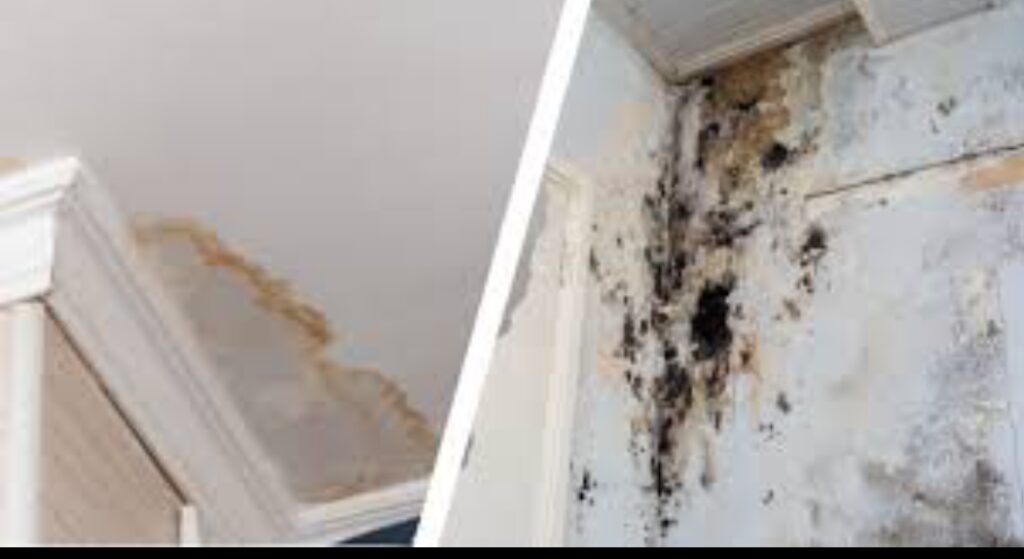
How Water Damage Turns Into Mold Problems – Practical Advice From Experts for Homes in
Water damage feels obvious when it happens. You see the leak, mop the floor, maybe run a fan, and move on. But here’s the part experts see all the time during inspections in Fort Lauderdale: most mold problems don’t start with big floods—they start with water damage people think they already handled. And yeah, that’s where things quietly go sideways.
We’ve inspected plenty of homes where water damage “looked fine” on the surface. Behind the walls? Totally different story. Mold doesn’t care that the floor dried. It cares that moisture stayed trapped where no one looked.
Water Damage Doesn’t Need to Be Dramatic
One of the biggest misconceptions homeowners have is that mold only follows major flooding. Real inspections prove otherwise.
In Fort Lauderdale homes, mold often starts after:
- Small plumbing leaks
- AC drain line backups
- Window or roof leaks after storms
- Appliance leaks that went unnoticed
Even a slow drip can feed mold if materials don’t dry completely.
Dry on the Outside ≠ Dry on the Inside
This is where people get burned. Surfaces dry fast. Building materials don’t.
Experts frequently find moisture:
- Inside drywall
- Behind baseboards
- Under cabinets
- Inside insulation
Once moisture sinks into porous materials, mold gets exactly what it needs. And it doesn’t need much time, either.
Why Mold Loves Post-Water-Damage Areas
After water damage, airflow usually drops. Materials stay damp. That combo creates a perfect environment for mold.
We commonly see mold growth:
- Behind freshly repaired drywall
- Under new flooring
- Inside walls near past leaks
Homeowners feel relieved repairs are done—mold feels invited.
Humidity Makes Water Damage Worse
Fort Lauderdale humidity doesn’t help. High humidity slows drying and keeps materials damp longer.
Inspection readings often show:
- Elevated indoor humidity after leaks
- Condensation forming days later
- Moist air even after visible water is gone
When humidity stays high, water damage turns into mold damage fast.
HVAC Systems Spread the Problem
Here’s a detail many homeowners miss. Water damage near HVAC systems can turn a small issue into a whole-house problem.
Experts often find:
- Mold near air handlers after leaks
- Moist duct insulation
- Spores circulating through vents
Once HVAC systems get involved, mold stops being localized.
DIY Drying Isn’t Always Enough
Fans and dehumidifiers help—but they don’t reach everything.
After DIY drying, inspections frequently reveal:
- Damp insulation
- Moist framing
- Mold forming behind walls
IMO, this is where good intentions fall short. Drying the air isn’t the same as drying materials.
Why Mold Appears Weeks Later
This part frustrates homeowners the most. Mold doesn’t always show up right away.
Experts see mold appear:
- Weeks after a leak
- After repairs seem complete
- Once humidity rises again
That delay tricks people into thinking the mold came “out of nowhere.” It didn’t.
What Experts Actually Recommend
Real-world advice focuses on prevention, not panic.
Experts recommend:
- Moisture detection after water damage
- Proper drying of hidden materials
- Humidity control
- HVAC inspection if leaks occurred nearby
When moisture leaves completely, mold doesn’t get a second chance.
Why Inspections Matter After Water Damage
Inspections answer the question everyone asks: “Did everything really dry?”
A professional inspection helps:
- Confirm moisture is gone
- Catch hidden mold early
- Prevent costly remediation later
Skipping this step often leads to repeat problems.
The Cost of Ignoring Minor Water Damage
Small water damage feels harmless—until mold shows up. Then costs climb fast.
Inspections show early action leads to:
- Smaller repairs
- Less disruption
- Lower long-term costs
Waiting turns manageable issues into expensive ones.
Final Thoughts
Water damage and mold go hand in hand, especially in Fort Lauderdale homes. The difference between a quick fix and a mold problem comes down to what dries and what doesn’t.
Homes in deal with humidity year-round, so water damage deserves more attention than a mop and a fan.
If water damage happened—even a small one—make sure moisture actually left the building.
