
How Water Damage Turns Into Mold Problems – Practical Advice From Experts for Homes in South Florida
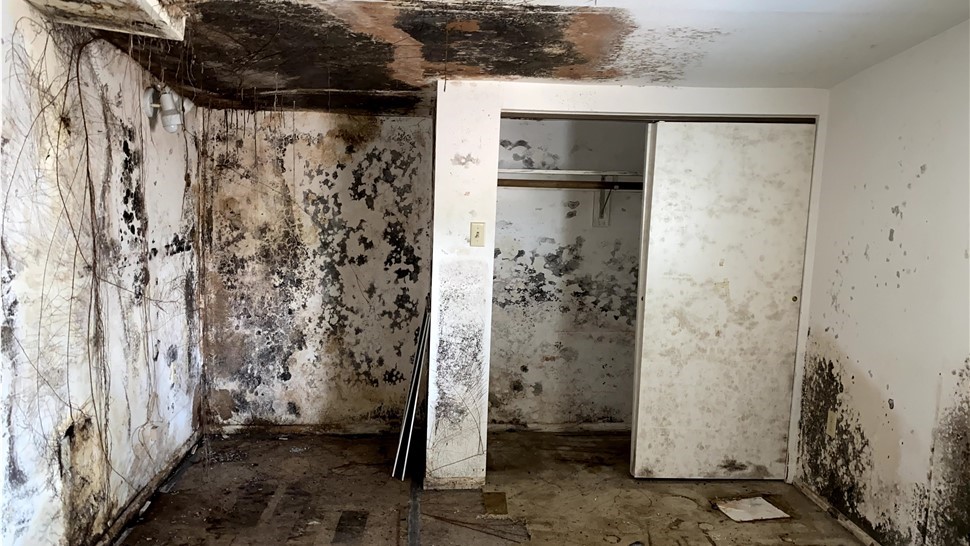
Water damage doesn’t usually scream for attention. A leak stops. A stain dries. Life moves on. Then weeks—or months—later, mold shows up and everyone wonders how it got there. Real inspections inside homes across South Florida show the same story every time: mold problems don’t start with mold. They start with water that never truly left.
This article breaks down how water damage quietly turns into mold, what experts consistently see, and how homeowners can stop the process early—without fear tactics or overreaction.
Why Water Damage Is So Risky in South Florida Homes
South Florida doesn’t give water damage much room for error.
Homes here deal with:
- High year-round humidity
- Warm indoor temperatures
- Slow natural drying
- Heavy air conditioning use
- Frequent storms and leaks
In this climate, “it dried” often means “it dried on the surface.”
The Biggest Myth: “If It Dried, It’s Fine”
This assumption causes more mold problems than the original leak.
Experts routinely find:
- Dry-looking drywall with moisture inside
- Damp insulation behind walls
- Wet framing sealed behind paint
- Mold growth long after visible drying
IMO, surface drying gives a false sense of security in Florida homes.
What Actually Happens After Water Damage
Dry to the Touch Doesn’t Mean Dry Inside
Here’s the real sequence experts see:
- Water enters materials
- Surface dries quickly
- Moisture stays trapped inside
- Humidity stays elevated
- Mold begins growing quietly
- Odors or symptoms appear later
Mold doesn’t rush. It waits for the conditions water damage creates.
Materials That Trap Moisture the Longest
Not all materials release water easily.
Experts consistently find trapped moisture in:
- Drywall
- Insulation
- Wood framing
- Cabinets
- Subfloors
- Carpet padding
- Duct insulation
Once moisture enters these materials, passive drying rarely works.
Why Mold Appears Weeks or Months Later
This delay confuses homeowners and leads to wrong assumptions.
Mold shows up later because:
- Drying happens unevenly
- Humidity slows evaporation
- Airflow doesn’t reach hidden spaces
- Moisture stays active inside materials
By the time mold becomes visible, it’s usually been growing for a while.
How HVAC Systems Make Water Damage Worse
Cooling Can Trap Moisture
Air conditioners cool air but don’t always dry materials effectively.
After water damage, experts often find:
- Cold air sealing moisture inside walls
- Condensation forming near damp areas
- HVAC airflow spreading spores
- Wet insulation near vents
Cold air can preserve moisture instead of removing it.
Condensation: The Secondary Problem Nobody Connects
Water damage often triggers new condensation issues.
Experts frequently see:
- Condensation on AC vents
- Moisture forming on walls near damaged areas
- Duct sweating after leaks
- Humidity spikes following repairs
This secondary moisture feeds mold long after the original leak stopped.
Why Small Leaks Cause Big Mold Problems
Floods get immediate attention. Small leaks don’t.
Experts regularly trace mold to:
- Slow plumbing leaks
- Roof seepage
- Window or door leaks
- AC drain line backups
- Appliance leaks
Small leaks stay active longer—and that’s what mold loves.
DIY Drying: Where Good Intentions Fall Short
Fans and dehumidifiers help—but only to a point.
DIY drying fails when:
- Moisture hides behind walls
- Insulation stays wet
- Humidity remains high
- Airflow never reaches the source
- Drying stops too early
Drying what you can see doesn’t dry what you can’t.
Why Mold Often Starts in Hidden Areas After Water Damage
Experts most often find post-water-damage mold:
- Behind drywall
- Inside wall cavities
- Under flooring
- Inside cabinets
- Inside AC closets
- Near HVAC components
Visible mold is usually the final stage, not the first.
How Water Damage Impacts Indoor Air Quality
Water damage doesn’t just affect materials—it affects air.
Experts connect water damage to:
- Musty odors
- Stale indoor air
- Allergy symptoms
- Humidity that won’t drop
- Mold spores circulating through airflow
Air quality often declines before mold becomes visible.
Why Ignoring Minor Water Damage Costs More
Early water damage stays manageable. Ignored damage doesn’t.
Inspection data shows delays lead to:
- Hidden mold growth
- Drywall and insulation removal
- Multiple rooms affected
- HVAC system involvement
- Higher remediation costs
- Longer disruption
The most expensive mold jobs didn’t start worse—they started ignored.
What Experts Look for After Water Damage
Experts don’t just look for stains—they look for behavior.
They evaluate:
- Moisture inside materials
- Humidity levels
- Condensation patterns
- HVAC airflow
- Drying effectiveness
- Past water paths
Water always leaves a trail—even when it looks gone.
Practical Advice From Experts That Actually Helps
You don’t need panic—just timing.
Experts recommend:
- Drying water damage immediately and thoroughly
- Monitoring indoor humidity after leaks
- Investigating musty odors early
- Checking behind affected walls
- Not sealing wet materials
- Scheduling inspections when mold returns
Early action limits mold before it spreads.
Why South Florida Homes Need Faster Response
Homes here deal with:
- Persistent humidity
- Slow evaporation
- Heavy AC usage
- Condensation-prone systems
- Storm-driven moisture
Water damage that might dry safely elsewhere often doesn’t here.
Early Warning Signs Water Damage Is Turning Into Mold
Watch for:
- Musty odors days or weeks later
- Humidity that won’t drop
- Condensation near repaired areas
- Paint bubbling or peeling
- Mold returning after cleaning
- Rooms that never feel dry
These signs mean moisture stayed behind.
The Difference Early Action Makes
Homes that act early typically need:
- Limited drying and repairs
- Minimal material removal
- Shorter timelines
- Lower overall costs
Homes that wait often face:
- Full remediation
- Multiple affected areas
- HVAC involvement
- Much higher expense
Same water damage. Very different outcome.
Final Thoughts: Water Damage Starts the Clock
Water damage doesn’t automatically cause mold—but it starts the clock. In South Florida homes, that clock runs fast because humidity, warmth, and airflow all work against drying. Real inspections show that homeowners don’t lose money because leaks happen—they lose money because moisture gets ignored after the leak stops.
Act early. Dry thoroughly. Respect how Florida’s climate works. When water damage gets handled correctly, mold usually never gets the chance to move in 🙂
