
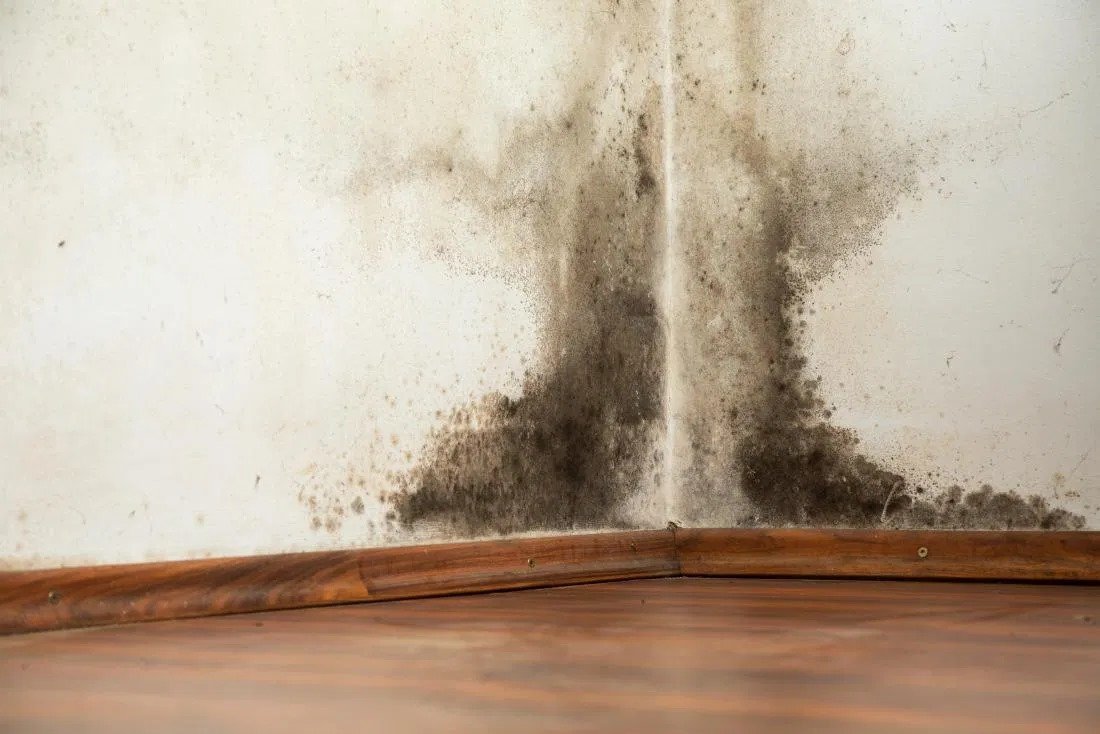
How Water Damage Turns Into Mold Problems – Real Risks, Not Fear Tactics for Homes in Oakland Park
Water damage doesn’t need drama to cause real problems. No flooded living room. No soggy carpets. In Oakland Park homes, the most expensive mold issues start with small, forgettable water events—a slow leak, a brief overflow, a roof drip that “stopped.” That’s it.
No scare tactics here. Just real risks pulled from actual inspections and remediation jobs in Oakland Park. Let’s talk about how water damage quietly turns into mold, what most homeowners underestimate, and how to stop the chain reaction early.
The Biggest Misunderstanding: “It Dried, So It’s Fine”
This is where things usually go wrong. Dry to the touch doesn’t mean dry where it counts.
After water damage, moisture often stays trapped:
- Behind drywall
- Under flooring
- Inside insulation
- Beneath cabinets
Ever noticed mold show up weeks or months after a leak? That’s because moisture lingered out of sight. Mold just waited.
Small Water Events Cause Big Mold Problems
In Oakland Park, most mold problems don’t come from floods. They come from everyday issues people downplay.
Common water sources we see:
- Slow plumbing leaks under sinks
- AC drain line backups
- Minor roof leaks after storms
- Bathroom overflows that “weren’t that bad”
Mold doesn’t need gallons of water. It needs time + moisture. Florida supplies both.
Why Oakland Park Homes Are Vulnerable After Water Damage
Oakland Park homes often combine older construction with modern AC use. That mix traps moisture easily.
From real inspections, risk factors include:
- Older plumbing and fittings
- Flat or low-slope roofs
- High indoor humidity
- Homes staying closed up year-round
When water damage happens, materials don’t always dry naturally. Mold takes advantage.
How Water Damage Turns Into Mold (Step by Step)
Here’s the quiet progression we see again and again:
- Water intrusion occurs (leak, overflow, condensation)
- Moisture absorbs into porous materials
- Area appears dry on the surface
- Moisture remains trapped underneath
- Mold begins growing out of sight
- Odors or symptoms appear later
No chaos. Just chemistry and time doing their thing.
The HVAC Factor Most People Miss
HVAC systems play a big role after water damage—even when they weren’t the source.
Common HVAC-related moisture issues include:
- Condensation forming on ducts
- Moisture pulled into air handlers
- Drain pans overflowing slowly
Once mold reaches HVAC components, airflow helps spread spores throughout the home. That’s when small water damage turns into a bigger problem.
Why Bleach and Fans Don’t Solve Post-Water Mold
This part frustrates homeowners the most. Surface drying and cleaning don’t reach trapped moisture.
What usually happens after DIY cleanup:
- Fans dry visible areas
- Bleach cleans surface mold
- Moisture remains inside materials
- Mold returns weeks later
If mold keeps coming back, it’s not stubborn—it’s fed.
Early Warning Signs Mold Is Developing After Water Damage
Mold rarely announces itself loudly. Early signs stay subtle.
Watch for:
- Musty odors that linger or return
- Allergy symptoms indoors
- Bubbling paint or soft drywall
- Warped baseboards or cabinets
- AC smells when the system turns on
FYI—if symptoms improve when you leave the house, that pattern matters.
Why Waiting Makes Mold Problems More Expensive
Here’s the cost reality. Delayed action always increases remediation scope.
From Oakland Park cases, delay often leads to:
- Larger affected areas
- Multiple rooms involved
- HVAC contamination
- Material removal instead of simple drying
Early moisture correction costs far less than late-stage mold remediation. Always.
Mold Removal vs. Fixing Water Damage (This Matters)
Removing mold without addressing water damage never works long-term.
Mold Removal Alone
- Cleans visible growth
- Temporary results
- High chance of return
Moisture Correction + Mold Remediation
- Removes mold
- Fixes the water source
- Prevents recurrence
IMO, fixing moisture first saves the most money. Every time.
When a Post-Water Mold Inspection Makes Sense
You don’t need to panic after every spill—but some situations deserve a closer look.
An inspection makes sense if:
- Water damage occurred behind walls or cabinets
- Materials stayed wet longer than 24–48 hours
- Odors appeared days or weeks later
- HVAC smells changed after water damage
Inspections replace guessing with answers. That’s the goal.
Practical Steps After Water Damage (That Actually Work)
No extremes—just smart moves.
Expert-backed advice:
- Dry affected areas quickly and thoroughly
- Remove wet porous materials when needed
- Monitor humidity (keep it below 55%)
- Don’t rely on surface drying alone
- Pay attention to smells and symptoms
Small steps early prevent big repairs later.
Final Thoughts: Water Damage Isn’t the Enemy—Ignoring It Is
In Oakland Park homes, water damage doesn’t automatically mean mold. Ignoring trapped moisture does. Mold problems grow quietly, spread patiently, and get expensive only when time does the work for them.
No fear tactics needed. Just awareness, early action, and smart decisions. If water damage happened—even briefly—don’t assume it’s over. Catching moisture early is always cheaper than fixing mold later.
