
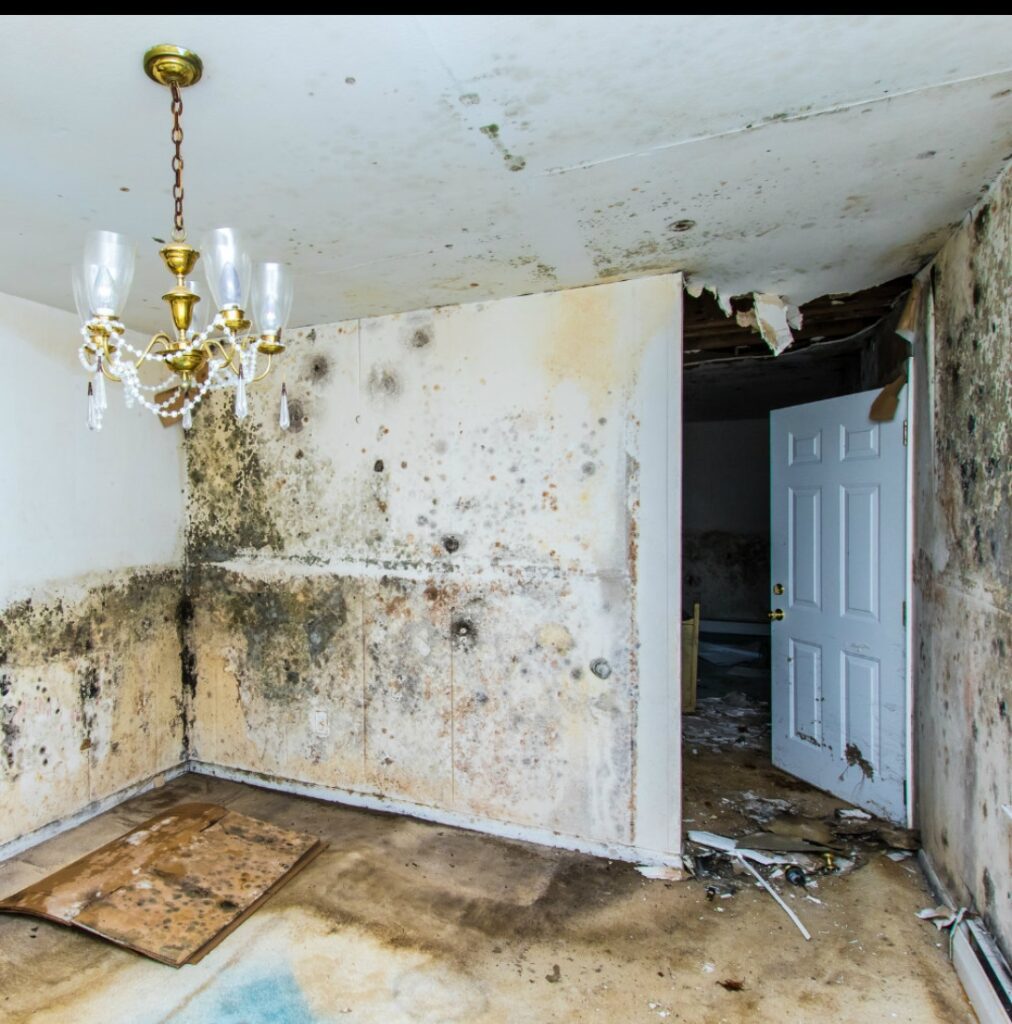
How Water Damage Turns Into Mold Problems – Real Risks, Not Fear Tactics for Homes in
Water damage is one of the most common starting points for mold problems in Sunrise homes, and it’s also one of the most underestimated. Many homeowners believe that once visible water is cleaned up and surfaces dry, the problem is over. What real inspections show is that this is rarely the case. In Florida’s humid climate, water damage often sets the stage for mold growth long after the initial incident seems resolved.
The real risk isn’t always the water you can see. It’s the moisture that remains trapped inside walls, ceilings, floors, and insulation. When that moisture isn’t properly addressed, mold growth becomes almost inevitable. Understanding how water damage turns into mold problems helps homeowners avoid repeat issues and costly repairs without relying on fear-based claims.
Why Water Damage Leads to Mold So Easily in Florida Homes
Florida’s environment accelerates mold growth after water damage. Warm temperatures and high humidity slow evaporation and keep materials damp longer than expected. Even minor water incidents can create ideal conditions for mold if drying is incomplete.
In Sunrise homes, inspections commonly show mold growth following:
- Plumbing leaks
- Roof or window intrusion
- AC drain line backups
- Appliance leaks
- Minor flooding
Mold can begin developing within 24 to 48 hours when moisture remains trapped.
What We Commonly Find After Water Damage
One of the biggest surprises for homeowners is where mold develops after water damage. It often doesn’t appear exactly where the leak occurred. Instead, moisture migrates into nearby materials and hidden spaces.
Common findings include:
- Mold behind drywall near leaks
- Moisture trapped under flooring
- Mold inside wall cavities
- Growth around baseboards and trim
- Mold near HVAC components exposed to moisture
By the time mold becomes visible, it has often spread beyond the original water source.
Why Surface Drying Is Not Enough
Drying visible surfaces gives the impression that the home is dry, but inspection tools often reveal moisture remains deep inside materials. Drywall, wood, and insulation absorb water and release it slowly.
Surface drying fails because:
- Moisture stays trapped behind walls
- Materials dry unevenly
- High humidity slows evaporation
This hidden moisture allows mold to continue growing out of sight.
How Humidity Makes Water Damage Worse
Even after water is removed, high indoor humidity can keep materials damp. In Sunrise homes, humidity often remains elevated for days or weeks after water damage.
Inspection data frequently links mold growth to:
- Poor ventilation during drying
- AC systems unable to remove moisture efficiently
- Homes kept closed after water events
When humidity stays high, mold risk increases significantly.
The Role of HVAC Systems After Water Damage
HVAC systems often contribute to mold spread after water damage. If moisture affects air handlers, ductwork, or surrounding materials, spores can circulate throughout the home.
Common inspection findings include:
- Mold inside air handlers
- Contaminated ductwork
- Odors spreading through vents
Once HVAC systems become involved, mold problems are rarely limited to one area.
Why Mold Often Appears Weeks or Months Later
Many homeowners are confused when mold appears long after water damage seemed resolved. Inspections explain this clearly: mold often starts growing soon after water exposure but takes time to become visible.
Delays happen because:
- Growth is hidden
- Odors are subtle at first
- Materials mask early damage
By the time mold is seen, it has usually been present for a while.
Why DIY Cleanup Often Fails
DIY cleanup is common after water damage, but inspections consistently show it’s rarely enough. Without proper moisture detection, hidden wet areas are missed.
DIY cleanup often fails due to:
- Incomplete drying
- Missed moisture pockets
- No verification of dryness
- Delayed professional evaluation
These gaps greatly increase mold risk.
Real Risks Without Fear Tactics
Water damage doesn’t automatically mean mold will take over a home, but ignoring moisture almost always increases risk. The real danger comes from untreated moisture, not from panic-driven assumptions.
A practical approach focuses on:
- Identifying hidden moisture
- Ensuring complete drying
- Monitoring indoor humidity
- Addressing issues early
This approach prevents mold without unnecessary stress.
When Professional Inspection Is Important
Homeowners in Sunrise should consider professional evaluation if:
- There has been water damage
- Musty odors develop afterward
- Mold appears weeks later
- Indoor air feels damp or uncomfortable
Early inspection often prevents mold from becoming a larger issue.
How Early Action Reduces Costs
Inspection data shows that early moisture detection limits mold growth and reduces repair costs. Homes inspected quickly after water damage typically require less remediation.
Early action helps:
- Stop mold before it spreads
- Reduce material removal
- Shorten repair timelines
Waiting almost always increases cost and disruption.
Water Damage & Mold Inspection Services in Sunrise
Homes in Sunrise face frequent water and humidity challenges. Professional inspection helps ensure water damage doesn’t turn into a long-term mold problem.
We provide:
- Water damage moisture inspections
- Mold inspections and testing
- Hidden moisture detection
- HVAC-related mold evaluations
- Clear remediation guidance
