
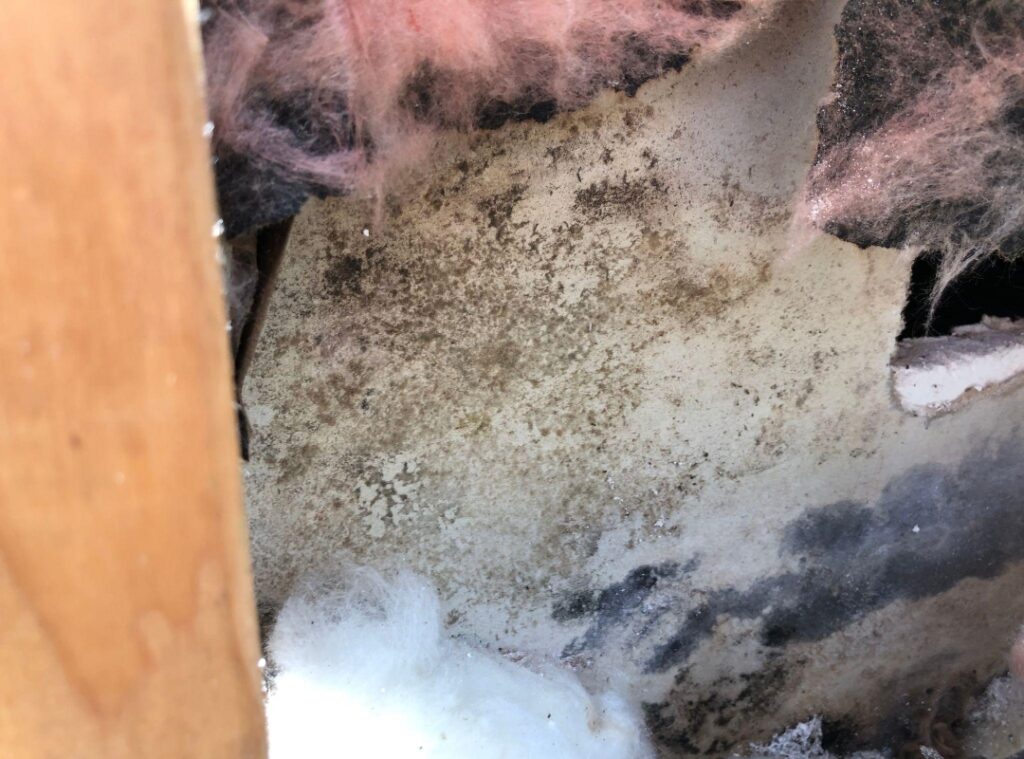
How Water Damage Turns Into Mold Problems – What Most People Get Wrong for Homes in
Water damage feels obvious, right? A burst pipe. A roof leak. Maybe a washing machine that decided to flood your laundry room at 2 a.m. You dry things out, mop the floor, run a fan for a day or two, and move on with life.
And then—weeks later—you notice a musty smell. Or allergies acting up for no clear reason. Or a suspicious stain creeping along the wall.
That’s how mold sneaks in. Quietly. Relentlessly. Especially in South Florida homes.
Let’s break down what really happens after water damage, and what most homeowners in Plantation get wrong.
Water Damage Isn’t the Problem—Leftover Moisture Is
Here’s the big misconception:
If it looks dry, it is dry.
Not even close.
Water doesn’t just sit on the surface. It seeps into:
- Drywall
- Baseboards
- Insulation
- Subfloors
- HVAC components
Once moisture gets trapped inside these materials, it creates the perfect environment for mold growth—dark, warm, and humid. In Plantation’s climate, mold doesn’t need much encouragement.
“We Cleaned It Up Right Away” Isn’t Always Enough
Speed matters, but how you dry matters more.
Most homeowners:
- Use household fans (which don’t pull moisture from materials)
- Skip professional drying equipment
- Ignore wall cavities and ceilings
- Assume one dry day solves everything
Mold can begin forming in as little as 24–48 hours when moisture is trapped. By the time you smell it, the problem is already established.
The Hidden Areas Are Where Mold Wins
What people usually check:
- Floors
- Visible walls
- Furniture
What they miss:
- Inside walls
- Behind cabinets
- Under flooring
- Inside air ducts
- Attic insulation
We routinely find mold in homes where the visible area looks perfectly fine. The real growth is happening where no one thinks to look—until it spreads.
Small Leaks Cause Big Mold Problems
Not all water damage is dramatic.
Slow, ongoing leaks are actually worse:
- Dripping supply lines
- Minor roof seepage
- AC condensation issues
- Poor bathroom ventilation
Because the damage builds over time, homeowners don’t react quickly. That constant moisture feeds mold nonstop, allowing it to spread deeper and wider.
DIY Cleanup Often Makes It Worse
Bleach. Vinegar. Store-bought sprays.
They might remove surface staining, but they don’t fix the source.
Common DIY mistakes:
- Cleaning without drying
- Killing visible mold but leaving moisture behind
- Scrubbing spores into the air
- Not isolating affected areas
Mold doesn’t need much to come back—just moisture and time.
HVAC Systems Spread Mold Faster Than You Think
When water damage affects areas near vents or air handlers, mold can enter the HVAC system. Once that happens:
- Spores circulate through the entire home
- Rooms with no leaks suddenly have mold issues
- Odors become constant
- Indoor air quality drops fast
This is one of the most common reasons homeowners in Plantation experience recurring mold problems.
Why Mold Keeps Returning After Water Damage
If mold keeps coming back, it’s usually because:
- The moisture source was never fully eliminated
- Damp materials weren’t removed
- Mold inside walls or ducts was missed
- Drying was incomplete
- Testing was skipped
Mold isn’t stubborn—it’s just reacting to conditions that never changed.
What Actually Works (and What Doesn’t)
What works:
- Identifying all moisture sources
- Proper structural drying
- Moisture readings, not guesswork
- Targeted mold inspection and testing
- Removing contaminated materials when needed
What doesn’t:
- Masking odors
- Painting over stains
- Relying on surface cleaning
- Waiting to “see if it gets worse”
(Spoiler: it always does.)
Why This Matters for Homes in Plantation
Plantation homes face:
- High humidity year-round
- Frequent AC usage
- Aging plumbing in many neighborhoods
- Storm-related water intrusion risks
That combination makes mold growth after water damage extremely common—even when the original issue seemed minor.
The Bottom Line
Water damage doesn’t turn into mold because homeowners don’t care.
It happens because most people underestimate how moisture behaves inside a home.
If water damage occurred—even briefly—and mold testing or professional drying wasn’t done, there’s a real chance mold is already present.
Catching it early saves money, protects indoor air quality, and prevents a small issue from turning into a full remediation project.
If you want, I can also turn this into:
- A shorter SEO blog version
- A service-page rewrite
- A version tailored for another Broward County city
- Or a follow-up article focused on inspections, testing, or remediation
