
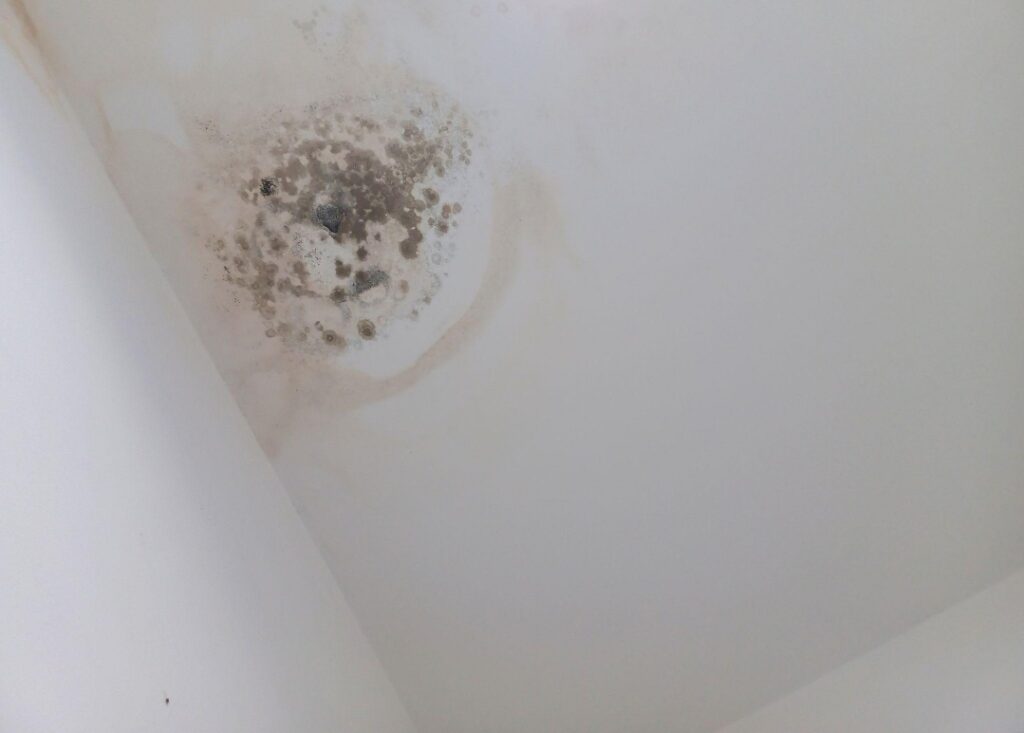
How Water Damage Turns Into Mold Problems – What the Data Tells Us for Homes in
Water damage is one of the most common starting points for mold problems in Fort Lauderdale homes. What many homeowners don’t realize is how quickly water damage can turn into mold growth—even when the damage seems minor at first. Data from real inspections across South Florida consistently shows the same pattern: when moisture isn’t fully addressed, mold follows.
Fort Lauderdale’s humid climate accelerates this process. Warm temperatures, frequent rain, and constant air conditioning create an environment where moisture lingers longer than expected. Understanding what the data reveals helps homeowners see why quick surface drying is often not enough and why mold problems appear weeks or months after water damage occurs.
What Inspection Data Shows About Water Damage and Mold
Inspection data repeatedly confirms that mold growth often begins within 24 to 48 hours after water exposure. Even when visible water is removed, moisture can remain trapped inside building materials such as drywall, wood, insulation, and flooring.
Common findings during inspections include:
- Dry-looking walls with moisture still inside
- Mold growing behind drywall near previous leaks
- Elevated moisture levels under flooring
- Mold developing long after the original water event
This explains why homeowners are often surprised when mold appears well after a leak or flood seemed resolved.
Why Small Water Leaks Cause Big Mold Problems
Many Fort Lauderdale homeowners associate mold with major flooding, but data shows that slow, unnoticed leaks are often worse. Small leaks provide ongoing moisture without obvious warning signs.
Frequent sources include:
- Slow plumbing leaks under sinks
- AC drain line backups
- Roof leaks during storms
- Window or door intrusion
- Appliance leaks
Because these leaks don’t always cause visible damage right away, moisture remains active and mold has time to grow.
Where Mold Develops After Water Damage
Inspection data shows that mold doesn’t always appear where water is first noticed. Instead, it often develops in nearby or connected areas where moisture migrates.
Common locations include:
- Behind walls adjacent to leaks
- Beneath baseboards and trim
- Under flooring materials
- Inside wall cavities
- Around HVAC components exposed to moisture
This hidden growth is why mold problems are often more extensive than expected.
Why Drying the Surface Is Not Enough
One of the most consistent findings in inspection data is that surface drying does not eliminate moisture inside materials. Fans and towels may dry visible areas, but moisture can remain trapped behind walls or under floors.
When moisture remains:
- Mold spores activate
- Growth continues out of sight
- Odors develop later
- Mold reappears after cleaning
Data shows that homes with incomplete drying are far more likely to develop mold issues.
The Role of Humidity After Water Damage
Even after water is removed, high indoor humidity can slow drying and extend moisture exposure. In Fort Lauderdale homes, humidity often remains elevated after leaks or flooding.
Inspection data links mold growth to:
- Poor ventilation during drying
- AC systems unable to remove moisture effectively
- Closed homes after water events
High humidity allows damp materials to stay wet longer, increasing mold risk.
How HVAC Systems Spread Mold After Water Damage
Data shows that HVAC systems often contribute to mold spread after water damage. If moisture affects ductwork, air handlers, or nearby materials, mold spores can be circulated throughout the home.
This can result in:
- Mold appearing in multiple rooms
- Odors spreading through vents
- Declining indoor air quality
Once HVAC systems become involved, mold problems are rarely isolated.
Why Mold Often Appears Weeks or Months Later
One of the most confusing aspects for homeowners is delayed mold growth. Inspection data explains this clearly: mold may begin growing shortly after water damage, but visible signs take time to appear.
Factors that delay detection include:
- Hidden growth locations
- Slow spread through materials
- Lack of strong odors initially
By the time mold is visible, it has often been present for an extended period.
What the Data Says About DIY Water Cleanup
Inspection data consistently shows that DIY cleanup is rarely sufficient after water damage. While homeowners may act quickly, they often lack the tools to detect hidden moisture.
Common issues with DIY cleanup include:
- Incomplete drying
- Missed moisture pockets
- No verification of dryness
- Delayed professional evaluation
These gaps significantly increase the likelihood of mold growth.
Why Early Inspection Makes a Difference
Homes that receive professional inspection shortly after water damage show far fewer mold issues. Data shows that early detection of moisture allows for targeted drying and prevents mold from becoming established.
Early inspection helps:
- Identify hidden moisture
- Prevent mold growth
- Reduce repair costs
- Limit disruption
Waiting increases both damage and expense.
When Homeowners Should Be Concerned
Based on inspection data, homeowners in Fort Lauderdale should consider professional evaluation if:
- There has been recent water damage
- Musty odors develop afterward
- Mold appears weeks later
- Indoor air feels damp or uncomfortable
These signs often indicate lingering moisture.
Water Damage & Mold Inspection Services in Fort Lauderdale
Fort Lauderdale homes are especially vulnerable to water damage due to storms, humidity, and aging infrastructure. Addressing moisture early helps prevent mold and protects indoor air quality.
We provide:
- Water damage moisture inspections
- Mold inspections and testing
- Hidden moisture detection
- HVAC-related mold evaluations
- Clear remediation guidance
