
How Water Damage Turns Into Mold Problems – What the Data Tells Us for Homes in Lauderhill
Water damage doesn’t need to be dramatic to cause mold. In fact, inspection data from homes across Lauderhill shows the opposite: the most common mold problems start with small, easily overlooked water issues—not floods or major leaks.
This isn’t speculation. It’s what moisture readings, inspection reports, and follow-ups keep confirming.
Small Water Issues Cause the Biggest Mold Problems
Data from real inspections shows mold growth often follows:
- Slow plumbing leaks behind walls
- AC condensation and drain line issues
- Minor roof or window leaks
- Past spills or water events that “seemed dry”
Because these issues don’t look urgent, moisture is often left behind long enough for mold to take hold.
Surface Dry ≠ Material Dry
One of the most consistent data points: appearance is misleading.
Moisture meter readings in Lauderhill homes regularly reveal:
- Dry-looking drywall with wet internal cores
- Walls with damp insulation but no stains
- Floors that feel dry while subflooring remains wet
In a humid climate, evaporation slows and moisture gets trapped where you can’t see it.
The 24–48 Hour Window Matters
From a data standpoint, timing is critical.
Inspections show mold risk increases sharply when:
- Materials stay damp beyond 24–48 hours
- Humidity remains elevated after a water event
- Airflow is limited during drying
- Walls or floors are sealed too soon
It’s rarely the amount of water—it’s how long moisture stays inside materials.
Humidity Multiplies Water Damage Risk
Data consistently shows that humidity turns small water issues into bigger problems.
In Lauderhill homes, inspectors often document:
- AC systems running nonstop
- Condensation forming on cool surfaces
- Moist air slowing the drying process
- Materials reabsorbing moisture after initial drying
Even minor water damage can become a mold issue when humidity stays high.
Where Mold Appears After Water Damage
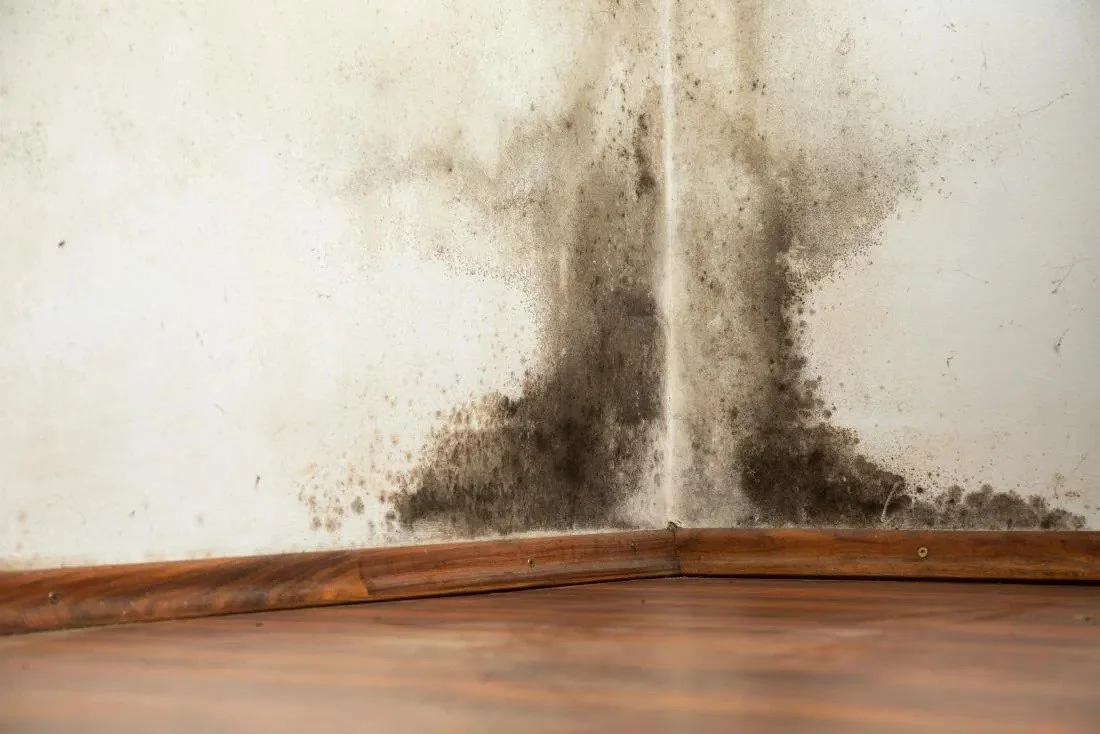
Inspection patterns show mold rarely stays where the water started.
Common post-damage mold locations include:
- Behind drywall and baseboards
- Inside closets on exterior walls
- Under sinks and near plumbing lines
- Around HVAC air handlers and drain pans
These areas dry slowly and often go unchecked.
Why DIY Drying Often Fails
Fans and towels help—but the data shows they’re often not enough.
Inspection findings reveal DIY drying falls short because:
- Moisture remains inside walls or insulation
- No measurements confirm materials are truly dry
- Hidden leaks continue feeding moisture
- Indoor humidity isn’t controlled
Without verification, drying is often incomplete.
What the Data Shows Prevents Mold
Homes that avoid mold after water damage consistently do a few things:
- Stop the moisture source quickly
- Actively dry affected materials
- Measure moisture until levels normalize
- Control indoor humidity during drying
- Remove materials that can’t be dried
When moisture is fully eliminated, mold doesn’t get a chance to grow.
Why Lauderhill Homes Need Extra Caution
Local conditions reduce the margin for error:
- High humidity most of the year
- AC systems running nearly nonstop
- Condensation inside walls and HVAC systems
- Limited airflow in closets and spare rooms
Water damage escalates faster here than many homeowners expect.
Data-Backed Takeaway
The data from Lauderhill homes tells a clear story:
Water damage turns into mold problems not because it’s ignored—but because moisture lingers longer than expected. Surface drying isn’t enough. Measuring moisture, improving airflow, and controlling humidity are what separate a minor water issue from a costly mold problem.
No fear tactics. Just what real inspection data keeps proving, home after home.
