
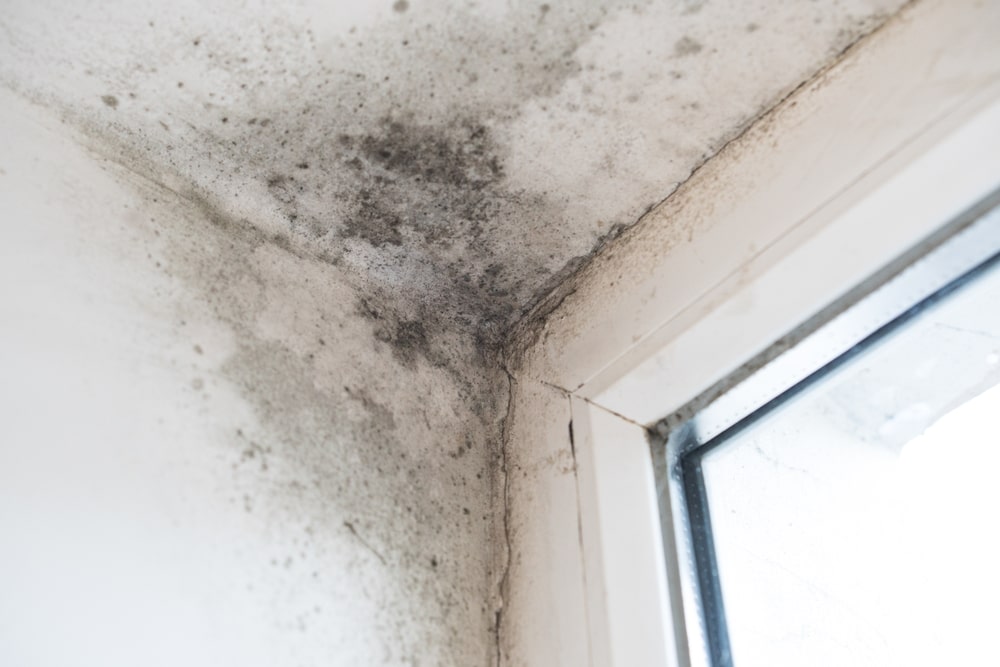

How Water Damage Turns Into Mold Problems – What the Data Tells Us for Homes in North Lauderdale
In North Lauderdale, water damage doesn’t stay “just water damage” for long. With South Florida’s heat and humidity, even a small leak can quietly turn into a full-blown mold problem before most homeowners realize what’s happening. The data backs this up—and it explains why mold inspections are so common after water issues in Broward County homes.
If you’ve had a roof leak, plumbing issue, AC overflow, or flooding in your North Lauderdale home, understanding how water damage turns into mold can help you act before the problem gets expensive and disruptive.
Why North Lauderdale Homes Are High-Risk for Mold After Water Damage
North Lauderdale shares the same environmental challenges as the rest of South Florida, but certain housing characteristics make mold growth even more likely after water exposure.
Key risk factors include:
- High year-round humidity
- Warm indoor temperatures
- Older plumbing systems in many neighborhoods
- Slab foundations that trap moisture
- Frequent AC usage causing condensation
Data from indoor air quality studies consistently shows that mold growth can begin within 24–48 hours after water exposure when moisture is not properly dried.
The Science Behind Mold Growth After Water Damage
Mold doesn’t appear instantly—but it doesn’t wait long either.
Here’s what typically happens:
- Water soaks into porous materials like drywall, wood, and insulation
- Moisture becomes trapped behind walls or under floors
- Warm temperatures accelerate fungal growth
- Mold spores already present in the air begin to colonize
Once moisture remains for more than a day or two, mold growth becomes increasingly likely. After 72 hours, the risk rises sharply.
What the Data Shows About Common Water Damage Sources
Inspection data from South Florida homes shows the most common triggers for mold problems include:
- Roof leaks after storms or heavy rain
- Plumbing leaks, especially under sinks or behind walls
- AC drain line clogs and overflow
- Water heater failures
- Bathroom or laundry room overflows
Even small, slow leaks—especially ones that go unnoticed—are among the biggest contributors to hidden mold growth.
Why Mold Often Develops Where You Can’t See It
One of the most misleading aspects of water damage is that surfaces may look dry while moisture remains inside building materials.
Mold commonly grows:
- Inside wall cavities
- Beneath tile or laminate flooring
- Under baseboards
- Above ceilings
- Inside HVAC systems and ductwork
Data from moisture mapping inspections shows that visible water damage often represents only a fraction of the total affected area.
How HVAC Systems Accelerate Mold Problems After Water Damage
In North Lauderdale homes, air conditioning runs almost constantly. When water damage affects AC components or nearby areas, mold growth can spread quickly.
Common HVAC-related issues include:
- Mold growth in drain pans
- Contaminated evaporator coils
- Damp insulation near air handlers
- Mold spores circulating through ductwork
Once mold enters the HVAC system, it can impact the entire home’s air quality—not just the original water-damaged area.
The Timeline: From Water Damage to Mold
Based on inspection and lab data, the typical progression looks like this:
- 0–24 hours: Materials absorb moisture
- 24–48 hours: Mold spores begin activating
- 48–72 hours: Early mold growth develops
- 3–7 days: Mold colonies expand rapidly
- 1–2 weeks: Odors, air quality issues, and visible growth may appear
This timeline explains why delaying action after water damage is one of the most common homeowner mistakes.
Health and Property Risks Linked to Post-Water Mold Growth
Data from indoor air quality assessments shows mold exposure can affect:
- Allergy and asthma symptoms
- Respiratory irritation
- Headaches and fatigue
- Indoor air quality overall
From a property standpoint, mold can:
- Damage drywall, wood, and insulation
- Reduce home value
- Complicate real estate transactions
- Increase remediation costs over time
Early intervention dramatically reduces both health and financial risks.
Why DIY Drying and Cleanup Often Fails
Many homeowners attempt to handle water damage themselves using fans or household dehumidifiers. While this may dry visible surfaces, it often fails to remove moisture trapped behind walls or under flooring.
Data shows:
- Surface drying does not equal structural drying
- Hidden moisture is the primary cause of later mold growth
- Mold often appears weeks after “cleanup”
This explains why professional moisture detection is critical after water damage.
What a Mold Inspection Reveals After Water Damage
A professional mold inspection helps determine:
- Whether mold growth has already begun
- Where moisture remains trapped
- Which areas are at risk for future mold
- Whether air quality has been affected
Using moisture meters, thermal imaging, and air or surface sampling, inspections provide clear answers instead of guesswork.
Preventing Mold After Water Damage in North Lauderdale Homes
Data-driven prevention focuses on one thing: moisture control.
Effective steps include:
- Immediate water extraction
- Proper structural drying
- Moisture verification before repairs
- Monitoring humidity levels
- Inspecting HVAC components
Addressing moisture correctly in the first 48 hours can prevent most mold problems entirely.
Final Thoughts
In North Lauderdale, water damage and mold are closely linked—and the data makes that clear. What starts as a minor leak can quietly become a mold issue that affects your health, your home, and your finances if moisture isn’t addressed properly.
If your home has experienced water damage, flooding, or persistent moisture anywhere in North Lauderdale or Broward County, a professional mold inspection can identify hidden problems early. Taking action now can prevent costly remediation, protect indoor air quality, and give you peace of mind before mold has a chance to take hold.
