
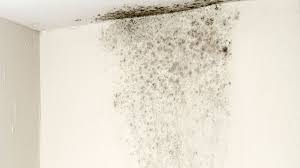
Indoor Air Quality Issues in Florida Homes – Lessons From Real Inspections for Homes in
Indoor air quality issues are one of the most common concerns uncovered during real inspections in Pembroke Pines homes. What surprises many homeowners is that poor indoor air quality rarely comes from a single obvious problem. Instead, inspections consistently show that air quality declines gradually due to moisture, airflow issues, and hidden conditions inside the home.
In Florida homes, air conditioning runs most of the year. While this keeps homes cool, it also means indoor air is constantly recirculated. When moisture, dust, or mold-related particles build up, air quality slowly worsens—even in homes that appear clean and well maintained.
One of the most consistent inspection findings is the role of humidity. High indoor humidity allows airborne particles to remain suspended longer, increasing exposure throughout the home.
Inspectors in Pembroke Pines frequently observe:
- Air that feels heavy or stale
- Persistent musty odors
- Condensation on vents or windows
These signs often point to humidity-driven air quality problems rather than surface dirt.
HVAC systems are another major contributor identified during inspections. Because HVAC systems circulate air through every room, any issue inside the system affects the entire home.
Common inspection findings include:
- Moisture buildup inside air handlers
- Dust and debris circulating through ductwork
- Mold growth near evaporator coils
When moisture is present in HVAC components, indoor air quality declines steadily.
Hidden moisture is a frequent factor in air quality issues. Even without visible leaks, small amounts of moisture inside walls, ceilings, or AC closets can affect air quality over time.
Inspectors often uncover:
- Damp drywall behind intact paint
- Moist insulation near plumbing lines
- Mold growth in wall cavities
These hidden conditions release particles into the air long before homeowners notice visible damage.
Another lesson from inspections is that odors are often an air quality warning sign. Musty or stale smells usually indicate moisture or microbial activity rather than cleanliness issues.
Air fresheners may mask odors temporarily, but inspections show the source usually remains until moisture is addressed.
Limited ventilation is another issue inspectors identify. Many homes remain sealed year-round to maintain cooling efficiency, which reduces fresh air exchange.
This leads to:
- Stale indoor air
- Accumulation of indoor pollutants
- Reduced overall air freshness
Improving ventilation helps dilute contaminants and refresh indoor air.
Dust behavior also changes in humid environments. Moisture causes dust to hold onto particles and remain airborne longer, increasing irritation for sensitive individuals.
Inspections often link dust-related complaints to:
- High humidity
- HVAC moisture issues
- Poor airflow balance
Managing moisture improves how dust behaves indoors.
A key lesson from real inspections is that indoor air quality issues develop slowly. Homeowners often adapt to declining conditions without realizing it.
Early indicators include:
- Subtle discomfort indoors
- Odors that come and go
- Air that feels less fresh over time
Addressing these signs early prevents bigger problems later.
Professional inspections focus on identifying the root causes of air quality issues. Moisture detection, HVAC evaluation, and airflow assessment provide clarity without guesswork.
This approach prevents unnecessary treatments and repeated frustration.
Homes that address air quality issues early typically experience:
- Improved comfort
- Better indoor air freshness
- Reduced mold risk
- Healthier living environments
Waiting allows conditions to continue declining quietly.
Homes in face ongoing humidity challenges that make indoor air quality a critical part of home maintenance.
👉 Contact us today to schedule a professional indoor air quality evaluation and learn what real inspections reveal about the air inside your Pembroke Pines home.
