
Indoor Air Quality Issues in Florida Homes – The Science Explained Simply for Homes in
Ever walk into your house and think, “Why does the air feel… off?” You’re not imagining it. Indoor air quality issues show up in Deerfield Beach homes all the time, and real inspections prove one thing again and again: air problems usually start with moisture and airflow, not dirt or bad housekeeping. Florida’s climate does most of the heavy lifting here.
Let’s break this down in plain English—no scare tactics, no lab-coat language, just how indoor air actually behaves in real homes.
Why Florida Air Behaves Differently Indoors
Florida air carries moisture everywhere it goes. When that humid air gets trapped inside your home, things change fast. Your AC cools the air, but it doesn’t always remove enough moisture.
In Deerfield Beach homes, inspections often show:
- Cool air that still feels damp
- Lingering musty odors
- Rooms that never feel “fresh”
Temperature fools people. Humidity controls comfort, not the thermostat.
Humidity Is the Real Air Quality Boss
From a science standpoint, humidity decides how particles move through your home. Moist air lets dust, allergens, and mold spores stay airborne longer.
That’s why high humidity causes:
- Stale-feeling air
- More irritation indoors
- Odors that refuse to leave
IMO, if humidity isn’t under control, air quality never really improves.
Mold and Air Quality Are Linked (No Shock There)
Here’s the part inspections make very clear: mold doesn’t need leaks to affect air quality. Sustained humidity alone can activate mold spores inside walls, ceilings, and HVAC systems.
We often find mold contributing to air issues:
- Behind drywall
- Inside air handlers
- Near vents and duct insulation
You don’t need visible mold for air quality to suffer.
HVAC Systems Shape the Air You Breathe
Your HVAC system acts like the lungs of your home. Whatever builds up inside it ends up circulating everywhere.
In Deerfield Beach inspections, we frequently see:
- Moisture inside air handlers
- Dust and debris inside ductwork
- Mold growth near evaporator coils
Once moisture enters the system, air quality declines slowly but steadily.
Why Sealed Homes Trap Bad Air
Florida homes stay closed most of the year. That helps with cooling costs, but it also limits fresh air exchange.
When air doesn’t circulate out:
- Contaminants build up
- Odors linger longer
- Indoor air feels heavy
Fresh air dilution matters more than most people realize.
Odors Are an Air Quality Clue, Not a Cleaning Problem
Science backs this up: humid air holds odor-causing compounds longer. That’s why musty smells stick around even after cleaning.
Inspections often trace odors back to:
- Damp materials
- Moist HVAC components
- Hidden microbial growth
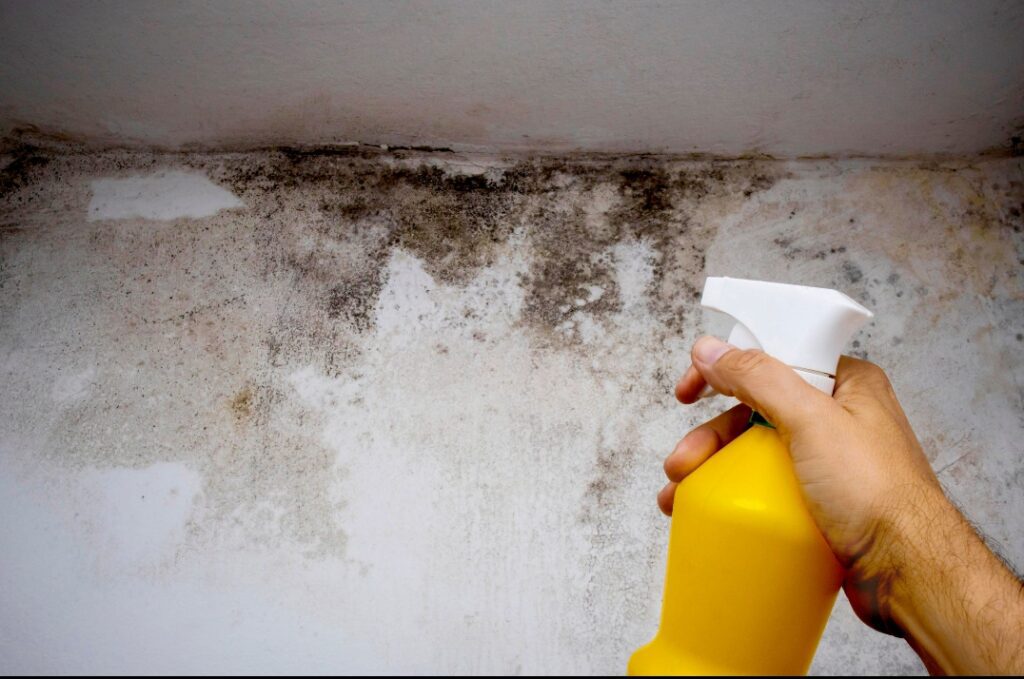
Sprays mask smells. They don’t fix air quality.
Dust Behaves Differently in Humid Homes
Here’s a fun one (well… sort of). Humidity makes dust sticky. Sticky dust holds allergens and particles longer, which keeps them floating through your home.
This leads to:
- More irritation indoors
- Faster HVAC buildup
- Reduced air clarity
Lower humidity changes how dust behaves—big time.
Why These Issues Sneak Up on Homeowners
Air quality problems don’t hit overnight. They build slowly, which makes them easy to ignore.
Early signs we hear during inspections:
- Air feels “thick” indoors
- Comfort drops without explanation
- Odors come and go
If you notice changes but can’t pinpoint why, air quality deserves a look.
What Actually Improves Indoor Air Quality
No magic gadgets here. Real improvements focus on basics that work.
Effective solutions include:
- Measuring and controlling humidity
- Addressing HVAC moisture issues
- Improving airflow and ventilation
- Identifying hidden moisture sources
When moisture drops, air quality improves. Simple science.
Why Inspections Matter So Much
Guessing wastes time. Inspections measure what’s actually happening. We don’t assume—we verify.
A proper inspection helps:
- Identify air quality contributors
- Prevent unnecessary work
- Stop small issues from growing
That’s how homeowners get answers instead of theories.
Final Thoughts
Indoor air quality issues in Florida homes don’t mean something is “wrong” with your house. They mean moisture and airflow need attention. The science is straightforward, and the fixes are manageable when caught early.
Homes in face humidity year-round, so indoor air quality isn’t optional—it’s maintenance.
If your air feels off, trust the science and check the moisture.
