
Indoor Air Quality Issues in Florida Homes – What the Data Tells Us for Homes in Oakland Park
Indoor air quality (IAQ) is one of those things homeowners don’t think about until something feels off—persistent humidity, musty smells, allergies that act up indoors, or a home that never quite feels “fresh.” In Florida, and especially in Oakland Park, inspection and testing data paints a consistent picture: indoor air quality issues are common, predictable, and closely tied to moisture and HVAC performance.
This article breaks down what the data actually shows about indoor air quality in Oakland Park homes, where problems most often come from, and what homeowners can learn by looking at evidence instead of assumptions.
Why Indoor Air Quality Data Matters
Indoor air quality isn’t judged by how a home looks or smells on a good day. It’s measured using:
- Humidity readings
- Airborne particle and spore counts
- Ventilation performance
- HVAC condition and airflow
- Moisture levels inside building materials
When inspectors evaluate many homes across the same area, patterns emerge. In Oakland Park, those patterns are remarkably consistent—and very Florida-specific.
A Clear Data Trend: Humidity Is the Primary Driver
Across indoor air quality assessments, elevated indoor humidity shows up as the most common contributing factor.
Data frequently shows:
- Indoor humidity levels above recommended ranges
- Homes that feel cool but remain damp
- Moisture lingering long after rain events
High humidity doesn’t just affect comfort. It directly impacts air quality by:
- Allowing mold spores to activate
- Supporting dust mites and allergens
- Making indoor air feel heavy or stale
In Oakland Park homes, humidity control is often the difference between acceptable and poor indoor air quality.
Mold Spores Are a Common IAQ Finding (Even Without Visible Mold)
Indoor air quality data consistently shows that mold spores are often present in elevated levels even when no visible mold is seen.
Where the data points:
- Wall cavities with hidden moisture
- HVAC systems with condensation issues
- Areas affected by past leaks
Indoor air samples that exceed outdoor spore levels usually indicate active indoor mold sources, not just outdoor air entering the home.
This explains why some homes test poorly for air quality despite looking clean.
HVAC Systems Play a Major Role in IAQ Data
HVAC systems appear repeatedly in indoor air quality findings.
Inspectors often document:
- Mold growth on evaporator coils
- Moisture inside air handlers
- Dirty or damp duct insulation
- Inadequate dehumidification
Because HVAC systems circulate air throughout the home, any contamination or moisture issue inside the system can affect every room, not just one area.
Ventilation Is Often Inadequate
Another consistent data point in Oakland Park homes is limited ventilation.
Modern Florida homes are built to be energy-efficient, which means:
- Less natural air exchange
- Moisture stays trapped longer
- Indoor pollutants build up
Bathrooms, kitchens, and laundry areas frequently lack sufficient exhaust ventilation, allowing moisture and particles to remain suspended in the air.
Indoor Air Quality Issues Affect New and Older Homes Alike
Inspection data challenges the idea that IAQ problems are mostly found in older homes.
Data shows issues in:
- Older homes with aging HVAC systems
- Newer homes with tight construction
- Renovated homes where airflow patterns changed
In newer homes, air quality issues often stem from trapped humidity. In older homes, they’re more likely tied to leaks or worn systems. Either way, age alone doesn’t predict air quality—conditions do.
Health Complaints vs IAQ Data (They Don’t Always Match)
One interesting pattern in indoor air quality data is that health symptoms don’t always align perfectly with measured conditions.
Some homes with poor IAQ:
- Have occupants reporting few or no symptoms
Other homes:
- Have noticeable allergy or respiratory complaints with moderate findings
The takeaway:
People react differently. IAQ testing focuses on environmental conditions, not symptom severity alone.
Common Sources Linked to Poor Indoor Air Quality
Based on repeated inspection findings in Oakland Park, IAQ problems most often trace back to:
- High indoor humidity
- HVAC condensation issues
- Past water damage
- Inadequate ventilation
- Mold growth in hidden areas
Flooding can impact air quality, but data shows everyday moisture issues are far more common causes.
What IAQ Data Says About DIY Fixes
Inspection data after DIY attempts reveals a clear trend.
Homes where air quality remained poor often had:
- Air fresheners masking odors
- Duct cleaning without moisture control
- Surface mold cleaning without addressing humidity
- Filters changed but systems left damp
These steps may improve smell temporarily, but data shows they rarely improve underlying air quality when moisture issues remain.
Early Warning Signs Found in IAQ Reports
Before indoor air quality problems become obvious, reports often note:
- Persistent indoor humidity
- Musty smells that return
- Condensation around vents or windows
- Dust that reappears quickly
- A home that never feels “dry”
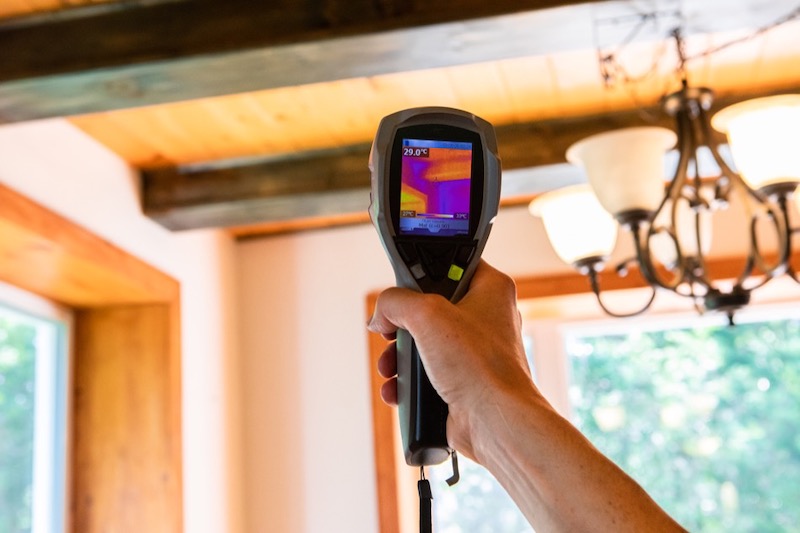
These signs often appear before significant mold or air quality issues are confirmed.
Why Oakland Park Homes Show Consistent IAQ Challenges
Local conditions explain much of the data:
- High outdoor humidity year-round
- Frequent rain and storms
- Continuous AC operation
- Slab foundations that hide leaks
- Dense neighborhoods limiting airflow
These factors don’t guarantee poor indoor air quality—but they raise the baseline risk when moisture isn’t managed carefully.
What Homeowners Can Learn From the Data
Indoor air quality data from Oakland Park homes consistently supports a few key lessons:
- Moisture control is critical
- HVAC systems deserve regular attention
- Visual checks miss early problems
- Ventilation matters more than scent
- Early investigation limits long-term issues
Homeowners who respond to conditions—not just symptoms—tend to see better air quality outcomes.
When Indoor Air Quality Evaluation Makes Sense
Data supports IAQ evaluation when:
- Humidity stays high indoors
- Musty odors persist
- Allergy symptoms worsen at home
- There’s a history of water damage
- Mold was previously found or removed
Evaluation doesn’t create problems—it clarifies whether conditions exist that affect air quality.
Final Thoughts: Data Brings Clarity to Indoor Air Quality
In Oakland Park homes, indoor air quality issues aren’t mysterious or rare. Data shows they follow moisture, ventilation, and HVAC performance.
When homeowners rely on real measurements instead of assumptions, they:
- Avoid unnecessary panic
- Address real risks earlier
- Improve comfort and air quality
- Reduce long-term repair costs
