
Indoor Air Quality Issues in Florida Homes – What the Data Tells Us for Homes in South Florida
Living in South Florida means warm weather, coastal breezes—and some of the most challenging indoor air quality (IAQ) conditions in the country. While many homeowners assume indoor air problems are rare or extreme, the data from real homes tells a very different story. Poor indoor air quality in South Florida is common, gradual, and usually tied to moisture—not neglect.
This guide breaks down what inspection and air quality data actually shows, why these issues are so widespread, and what homeowners should realistically understand—without fear tactics or overstatement.
What “Indoor Air Quality” Means in Data Terms
Indoor air quality refers to the long-term condition of the air you breathe inside your home, including:
- Humidity levels
- Airborne particles (dust, pollen, mold spores)
- Odors and volatile compounds
- Air circulation and freshness
Data shows IAQ issues rarely present as sudden events. Instead, they develop slowly and consistently, often going unnoticed until symptoms or odors appear.
The #1 Data-Backed IAQ Problem in South Florida: Humidity
Across inspections, elevated indoor humidity is the most consistent finding.
What the data shows:
- Many South Florida homes regularly exceed 60% indoor humidity
- AC systems often cool air without adequately dehumidifying
- Mild, rainy days are worse for IAQ than hot, dry days
High humidity alone can:
- Support mold growth
- Increase dust mites
- Make air feel heavy and stale
- Reduce overall comfort
Humidity doesn’t need to feel extreme to affect air quality—it just needs to stay high consistently.
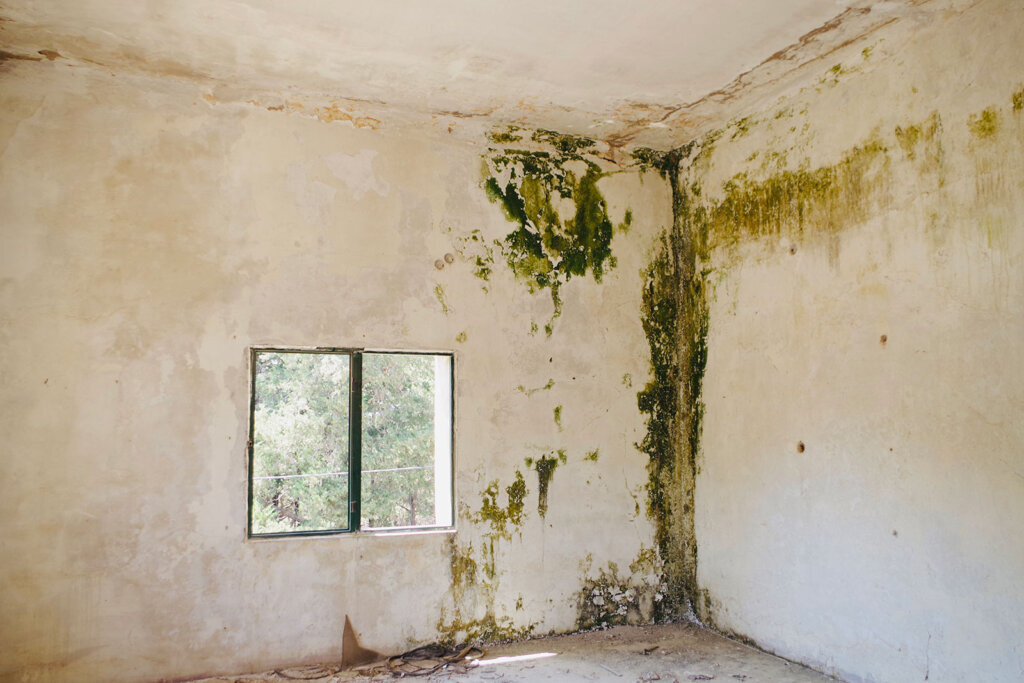
Mold Spores in Indoor Air: A Common Data Finding
Mold spores are present everywhere, but indoor concentrations rise when mold grows inside the home.
Data from South Florida homes shows:
- Elevated indoor spore levels often exist without visible mold
- HVAC systems are frequently involved in spore distribution
- Hidden mold contributes more to IAQ issues than visible surface growth
This explains why many homeowners experience symptoms or odors before they ever see mold.
HVAC Systems and Indoor Air Quality: What the Data Confirms
HVAC systems play a major role in IAQ—often unintentionally.
Data-backed findings include:
- Mold growth inside air handlers and ductwork is common
- Condensation and clogged drain lines worsen IAQ
- Systems distribute pollutants evenly throughout the home
When HVAC systems are involved, IAQ issues tend to feel house-wide, not limited to one room.
Odors as an Early IAQ Indicator
Inspection data consistently links IAQ complaints to odors such as:
- Musty or earthy smells
- Sour odors when the AC starts
- Damp or stale air sensations
These odors are rarely cosmetic. Data shows they often correlate with:
- Hidden mold
- Persistent moisture
- HVAC-related contamination
Odors are one of the earliest measurable signs of declining IAQ.
Particulates: Dust, Dander, and Pollen Indoors
South Florida homes accumulate airborne particles faster than many homeowners expect.
Data shows:
- Constant AC airflow keeps particles suspended
- Outdoor pollen enters easily due to humidity and frequent door use
- Dust builds up inside duct systems and living spaces
Without proper airflow and filtration, these particles remain airborne longer—affecting comfort and breathing.
Health Patterns Linked to IAQ (What the Data Shows)
Data from homeowner reports and inspections shows IAQ issues often align with:
- Allergy symptoms that worsen indoors
- Sinus pressure or headaches at home
- Fatigue or brain fog indoors
- Asthma flare-ups in sensitive individuals
A recurring pattern:
Symptoms improve when occupants leave the home.
This correlation frequently points to indoor air quality, not outdoor conditions.
Hidden Sources Drive Most IAQ Problems
One of the clearest data trends:
Most IAQ issues come from sources homeowners cannot see.
Common hidden contributors include:
- Mold behind drywall or cabinets
- Damp air handlers and duct insulation
- Slow plumbing leaks
- Condensation inside wall cavities
- Poorly ventilated closets and bathrooms
Visible cleanliness does not equal clean air.
Why Newer Homes Often Show Worse IAQ Data
Surprisingly, inspection data often shows newer homes have more IAQ issues, not fewer.
Why?
- Tighter construction traps humidity
- Reduced natural air exchange
- Longer AC run times
Without deliberate humidity control and ventilation, newer South Florida homes frequently show higher pollutant concentrations indoors.
Common IAQ Myths the Data Disproves
Myth: “Bad air quality always smells bad”
Data says: Many IAQ issues are odorless at first.
Myth: “AC systems clean the air”
Data says: AC systems move air—they don’t automatically improve IAQ.
Myth: “If I can’t see mold, IAQ is fine”
Data says: Hidden mold often impacts IAQ more than visible growth.
What Data-Driven Solutions Actually Improve IAQ
Based on inspection trends, the most effective steps include:
- Keeping indoor humidity below 60%
- Maintaining HVAC drain lines, coils, and airflow
- Using bathroom and kitchen exhaust fans consistently
- Fixing small leaks promptly
- Paying attention to recurring odors or symptoms
IAQ improves when moisture and airflow are managed, not when chemicals are added.
When South Florida Homeowners Should Investigate Further
Data suggests deeper evaluation is warranted when:
- Odors persist or spread
- Allergies worsen indoors
- Mold keeps returning
- The home always feels damp
- AC operation changes indoor comfort
Early investigation keeps IAQ issues manageable and affordable.
Final Thoughts: The Data Is Clear—and Reassuring
Indoor air quality issues in South Florida homes are common, predictable, and fixable. The data shows they usually stem from moisture, HVAC behavior, and hidden conditions—not extreme contamination or neglect.
When homeowners rely on data instead of fear, they act earlier, spend less, and live more comfortably. If the air in your home feels heavy, smells off, or only bothers you indoors, that’s not imagination—it’s useful information.
And in South Florida, responding early is the smartest way to keep indoor air healthy.
