
Indoor Air Quality Issues in Florida Homes – What We See Inside Homes in South Florida
Let me say this upfront.
Most South Florida homes look perfectly fine. Clean floors. Fresh paint. AC running all day.
And yet… the air feels heavy. Musty. Almost stale.
If you’ve ever thought, “Why do I feel better when I leave my house?” — you’re not imagining it.
After years of performing mold inspection, mold testing, mold removal, and mold remediation across South Florida, we’ve seen exactly what’s hiding behind walls and inside HVAC systems. And trust me, indoor air quality problems rarely start where you think they do.
Let’s break down what we actually see inside homes — no fluff, just real-world insight.
Why Indoor Air Quality Struggles in South Florida
Florida’s climate doesn’t play around.
You deal with:
- High humidity almost year-round
- Heavy summer rain
- Coastal moisture
- Constant air conditioning
When indoor humidity climbs above 60%, mold spores activate fast.
Spores already exist in your home. They just wait for moisture. And in South Florida, moisture never struggles to show up.
Ever notice how air feels thick in August? That same moisture sneaks indoors.
What We Actually Find During Inspections
Most homeowners assume pollen or dust causes their symptoms.
Sometimes it does. But most of the time, we find something more serious.
1. Mold Inside HVAC Systems
This is huge.
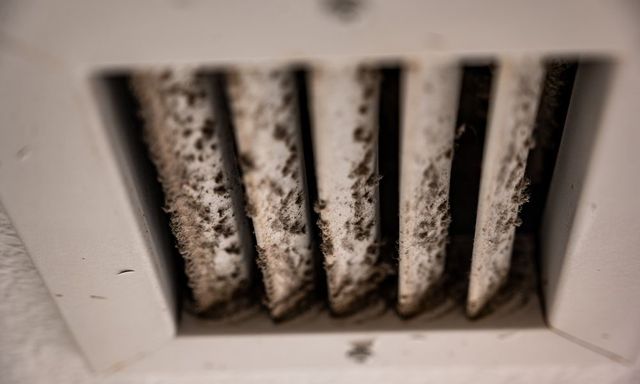
Your AC runs constantly. Drain lines clog. Drip pans overflow. Ductwork sweats.
We open air handlers and find:
- Mold growth around coils
- Moisture buildup in insulation
- Contaminated ducts spreading spores
When the system turns on, it circulates mold particles throughout the entire home.
If you smell something musty when the AC kicks in, that’s your red flag.
2. Hidden Wall Cavity Mold
Roof leaks and plumbing drips don’t always show obvious stains.
Water seeps behind drywall and stays trapped.
We use moisture meters and thermal imaging and often discover elevated readings in walls that look perfectly normal.
By the time paint bubbles, mold has already spread inside.
3. Attic Mold From Roof Leaks
South Florida storms hit hard.
Even minor roof damage allows moisture into attic insulation and wooden framing.
Attics stay warm and poorly ventilated — perfect for mold growth.
Homeowners rarely check their attic. Mold loves that privacy.
4. Bathroom Ventilation Failures
Bathrooms generate daily humidity spikes.
When exhaust fans vent poorly or not at all, moisture collects in ceilings and walls.
We frequently remove sections of ceiling drywall and find hidden contamination above showers.
Surface cleaning never touches the real problem.
Common Signs of Poor Indoor Air Quality
You don’t need lab equipment to notice trouble.
Watch for:
- Persistent musty smell
- Worsening allergies indoors
- Headaches that improve outside
- Condensation around vents
- Uneven humidity between rooms
Ever feel tired at home but fine at work or outdoors? That’s not random.
Your body often detects air quality problems before you visually confirm them. FYI.
Why Mold Testing Matters
Some homeowners guess.
Guessing costs money.
Professional mold testing in South Florida homes measures:
- Indoor vs outdoor spore levels
- Airborne contamination severity
- Type of mold present
- Whether remediation is necessary
Testing prevents overreaction and underreaction.
IMO, it’s smarter to confirm than to speculate.
Mold Removal vs Mold Remediation: Big Difference
Let’s clear this up because many people confuse the two.
Mold Removal
- Cleans visible growth
- Works for small areas
- May not fix air contamination
Mold Remediation
- Identifies moisture source
- Uses containment barriers
- Runs HEPA air scrubbers
- Removes contaminated materials
- Restores safe indoor air quality
If indoor air quality suffers, remediation usually becomes necessary.
Removal alone rarely solves widespread airborne contamination.
Why DIY Air Solutions Fall Short
Air purifiers help. Filter changes help.
But neither solves hidden moisture.
You can’t filter out mold growing inside a wall cavity.
Scrubbing visible mold without containment spreads spores into surrounding rooms.
Professional remediation isolates affected areas and controls airflow. That prevents cross-contamination.
Skipping containment often makes things worse. Yes, really.
The Coastal Factor
Coastal South Florida homes face additional challenges.
Salt-heavy air accelerates corrosion inside HVAC systems.
Corrosion leads to small leaks. Small leaks create moisture.
Moisture fuels mold.
It’s a cycle.
Regular HVAC maintenance isn’t optional here — it’s essential.
Practical Advice for Improving Indoor Air
Here’s what actually works:
- Keep indoor humidity below 60%
- Service HVAC systems twice per year
- Clean AC drain lines regularly
- Fix plumbing leaks immediately
- Upgrade bathroom ventilation
- Schedule routine mold inspections
Prevention costs far less than full mold remediation later.
Always.
How Indoor Air Quality Impacts Property Value
Poor indoor air quality affects more than comfort.
It can:
- Lower property value
- Trigger inspection issues during sale
- Delay closings
- Require mandatory remediation
Buyers in South Florida expect moisture issues. Inspectors look carefully.
Addressing problems early protects your investment.
Final Thoughts: Clean Air Takes Work in South Florida
Indoor air quality in South Florida homes doesn’t stay healthy automatically.
Humidity constantly challenges your home. AC systems work nonstop. Storms create hidden moisture.
If your home smells musty or symptoms worsen indoors, don’t ignore it.
Schedule inspection. Test properly. Fix moisture fast.
Clean-looking homes don’t always mean clean air.
And trust me, breathing comfortably in your own home feels a whole lot better than wondering what’s floating around in it 🙂
