
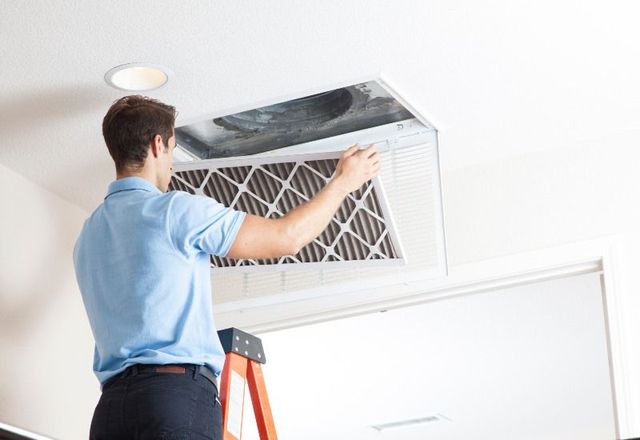
Indoor Air Quality Issues in Florida Homes – Why Ignoring It Costs More for Homes in Coral Springs
Let’s be honest — most homeowners don’t think about indoor air quality until something feels off.
Maybe the house smells musty. Maybe allergies won’t calm down. Maybe the AC runs nonstop but the air still feels heavy. In Coral Springs, where humidity never really takes a vacation, ignoring indoor air quality usually turns into a bigger (and more expensive) problem.
I’ve inspected enough homes here to say this confidently: bad indoor air quality rarely fixes itself. It compounds.
Let’s talk about why.
The Big Three Indoor Air Quality Problems in Coral Springs
When we inspect homes in Coral Springs, most indoor air quality issues trace back to three main factors:
- High humidity
- HVAC system contamination
- Hidden mold growth
They work together like an annoying trio.
Humidity feeds mold. Mold releases spores. The HVAC system spreads those spores. And suddenly your indoor air doesn’t feel so “fresh” anymore.
Ever notice that sticky, heavy feeling in the air even when the AC runs? That’s your first red flag.
Humidity: The Silent Budget Killer
Coral Springs homes often sit above 60% indoor humidity, especially during summer.
That level does more than make you uncomfortable. It:
- Activates mold growth
- Supports dust mites
- Warps wood and flooring
- Increases strain on HVAC systems
High humidity quietly damages materials over time. Drywall absorbs moisture. Insulation traps it. Baseboards swell.
Ignore it long enough, and you’re not just fixing air quality — you’re repairing structure.
IMO, humidity management prevents more repair bills than any fancy air purifier ever will.
HVAC Systems: Circulating the Problem
Your HVAC system runs almost year-round in Coral Springs.
If the system contains:
- Mold on evaporator coils
- Clogged drain pans
- Damp duct insulation
- Dirty air handlers
It doesn’t just sit there. It circulates spores through every room.
We often find homes where air quality complaints link directly to neglected HVAC maintenance.
If your AC smells musty when it kicks on, that’s not “Florida air.” That’s microbial growth inside the system.
Ignoring HVAC maintenance almost guarantees future mold remediation costs.
Hidden Mold: The Problem You Don’t See
Visible mold isn’t always the main issue.
We frequently uncover hidden mold:
- Behind drywall after minor leaks
- Inside attic insulation
- Beneath laminate flooring
- Inside duct systems
- Under bathroom cabinets
You might clean visible surfaces repeatedly and still experience musty odors.
Mold doesn’t need to be dramatic to affect indoor air.
And the longer it stays hidden, the more expensive removal becomes.
Allergy Symptoms: The Early Warning Sign
Indoor air quality issues usually show up in your body first.
Homeowners in Coral Springs often report:
- Persistent sneezing
- Nasal congestion
- Itchy eyes
- Sinus pressure
- Worsening asthma indoors
If symptoms improve when you leave the house, that’s not coincidence.
Your body responds to airborne spores and elevated humidity levels quickly.
Waiting rarely improves air quality. It usually makes it worse.
Why Ignoring IAQ Costs More Over Time
Here’s where it gets real.
When you ignore indoor air quality problems:
- Mold spreads deeper into structural materials
- Drywall and insulation require replacement
- HVAC systems become contaminated
- Energy efficiency drops
- Repair costs increase dramatically
Fixing humidity early might cost a service call.
Fixing structural mold damage months later? That’s a completely different number.
Would you rather adjust airflow now or replace half a ceiling later? Exactly.
Real Inspection Example From Coral Springs
We recently inspected a Coral Springs home where the homeowner complained about mild musty odors.
No visible mold appeared.
We found:
- Indoor humidity at 65%
- Condensation inside return ducts
- Mold growth starting on evaporator coils
- Poor attic ventilation
The house felt cool but damp.
After correcting humidity and servicing the HVAC system, the odor disappeared without major demolition.
Catching it early saved thousands.
That’s the difference between proactive and reactive.
Practical Steps to Protect Indoor Air Quality
You don’t need extreme solutions. You need consistent habits.
Here’s what experts recommend:
- Keep indoor humidity between 45–55%
- Install a hygrometer to monitor levels
- Service HVAC systems annually
- Clean AC drain lines monthly
- Replace air filters regularly
- Fix leaks immediately
- Improve attic and bathroom ventilation
Small steps prevent big bills.
FYI, most IAQ issues we see start with moisture that no one measured.
When to Call for Professional Inspection
Consider scheduling a professional inspection if:
- Musty odors persist
- Mold keeps returning after cleaning
- Allergy symptoms worsen indoors
- You’ve had recent water damage
- Humidity consistently stays high
Professional indoor air quality testing identifies moisture sources and airborne spore levels clearly.
Guessing rarely works.
The Bottom Line: Air Quality Is an Investment
Indoor air quality in Coral Springs isn’t a luxury. It’s structural protection and health protection rolled into one.
High humidity, HVAC neglect, and hidden mold create a chain reaction. Ignore it long enough, and repair costs rise fast.
Control moisture, maintain your system, and address small issues early.
Because in Florida’s climate, air quality problems don’t stay small.
And fixing them early always costs less than waiting.
