
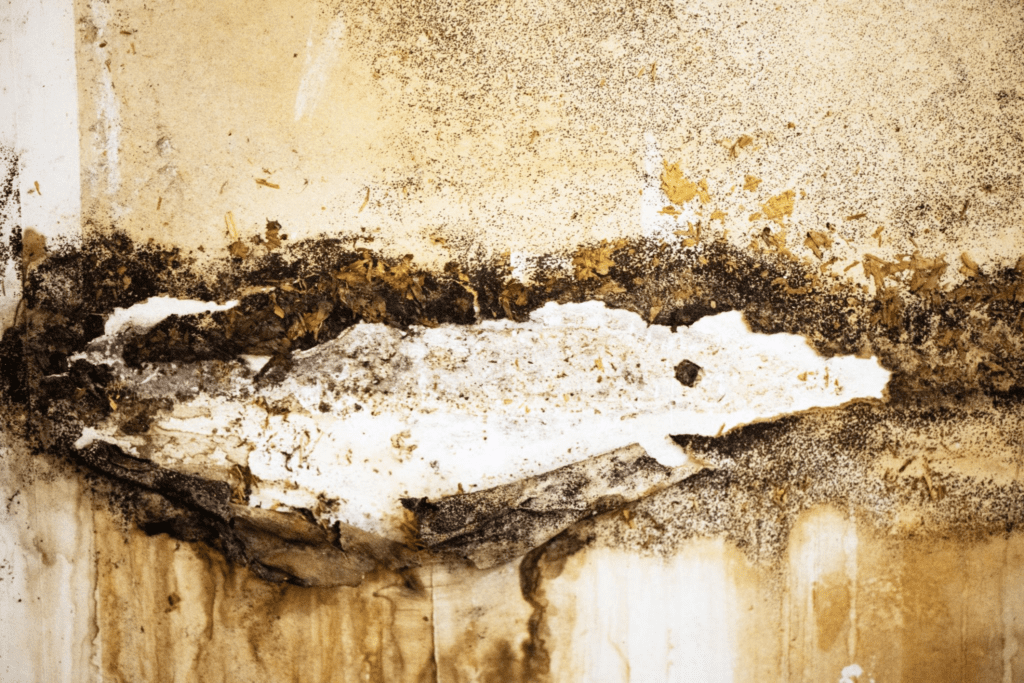
Indoor Air Quality Issues in Florida Homes – Why Ignoring It Costs More Than You Think
Indoor air quality problems rarely feel urgent at first. The house still looks clean. The AC still runs. Life goes on. And that’s exactly why ignoring indoor air quality (IAQ) issues in Florida homes ends up costing more—financially, physically, and structurally.
Across Florida, we see the same pattern over and over. Homeowners notice subtle signs, brush them off, and deal with bigger problems months or years later. This isn’t fear talk. It’s just what real inspections, repairs, and remediation jobs show again and again.
Let’s break down what actually impacts indoor air quality in Florida homes, what most people overlook, and why delay almost always makes things worse.
Why Florida Homes Struggle With Indoor Air Quality
Florida’s climate does most of the damage before homeowners even realize it. High humidity, constant AC use, and homes sealed tight for energy efficiency create a perfect storm.
Here’s what consistently affects IAQ in Florida homes:
- Humidity that rarely drops low enough
- HVAC systems running year-round
- Limited natural ventilation
- Moisture buildup inside walls and systems
Air doesn’t refresh itself indoors. If contaminants build up, they stay until something actively removes or fixes the source.
The Real Cost of High Indoor Humidity
Humidity sits at the center of most indoor air quality issues in Florida. When indoor humidity stays above 55–60%, problems start stacking up fast.
High humidity leads to:
- Mold growth
- Dust mite activity
- Musty odors
- Poor airflow efficiency
- Increased strain on HVAC systems
Ever wondered why your home feels “heavy” even when it’s cool? That’s humidity overpowering your air quality.
Mold and Microbial Growth: Quiet IAQ Killers
Mold doesn’t need a flood to show up. It thrives quietly in Florida homes because moisture sticks around.
From real-world inspections, mold commonly impacts IAQ through:
- HVAC air handlers and ductwork
- Hidden wall cavities
- Attics and ceilings
- Bathrooms and kitchens
Once mold spores circulate through the HVAC system, every room gets exposed. Ignoring early signs allows spread—and spread multiplies cleanup costs.
HVAC Systems: When Clean Air Turns Contaminated
Your HVAC system should improve indoor air quality. In Florida homes, it often does the opposite when moisture isn’t controlled.
Common HVAC-related IAQ issues include:
- Mold inside air handlers
- Dirty or damp ductwork
- Clogged drain lines causing overflow
- Poor filtration combined with high humidity
FYI—changing filters helps airflow, but filters don’t fix moisture or microbial growth inside the system. Different problems require different solutions.
Early IAQ Warning Signs Most People Dismiss
Indoor air quality problems usually send signals early. They’re just easy to ignore.
Common early signs include:
- Persistent musty or stale odors
- Allergy symptoms that improve outdoors
- Headaches or fatigue at home
- Dust buildup shortly after cleaning
- AC smells when the system turns on
Most homeowners assume these issues are minor. In Florida, they rarely are.
Why Ignoring IAQ Issues Gets Expensive Fast
Here’s where the costs stack up. When IAQ issues go unchecked, they rarely stay isolated.
Ignoring IAQ often leads to:
- Mold remediation instead of simple moisture correction
- HVAC repairs or replacements
- Duct replacement
- Higher energy bills
- Repeated cleaning with no improvement
Early action costs less. Every inspection database confirms that pattern.
The Health Side (Without the Drama)
No scare tactics here. Poor indoor air quality doesn’t automatically cause serious illness. But it does impact comfort and quality of life.
Common complaints tied to poor IAQ include:
- Chronic congestion
- Worsening asthma or allergies
- Irritated eyes and throat
- Fatigue indoors
If symptoms improve when you leave the house, that’s a sign worth paying attention to.
Why Florida Homes See Repeat IAQ Problems
Repeat indoor air quality issues aren’t bad luck. They happen because root causes never change.
From real cases, repeat problems occur when:
- Humidity remains uncontrolled
- HVAC moisture issues persist
- Mold is removed but moisture isn’t
- Ventilation stays inadequate
IAQ problems don’t disappear. They pause.
Inspections: The Step That Saves Money
Many homeowners avoid inspections because they fear bad news. Ironically, inspections usually prevent expensive outcomes.
A proper indoor air quality inspection focuses on:
- Moisture sources
- HVAC conditions
- Ventilation patterns
- Mold-prone areas
Inspections replace guessing with facts. That alone reduces unnecessary repairs.
Practical Ways to Improve Indoor Air Quality in Florida Homes
You don’t need extreme solutions. You need consistency.
What actually helps:
- Keep indoor humidity below 55%
- Maintain AC drain lines and coils
- Address musty odors immediately
- Use bathroom and kitchen exhaust fans
- Schedule periodic HVAC and mold inspections
Small changes prevent big problems. Always.
Final Thoughts: Ignoring Indoor Air Quality Always Costs More
In Florida homes, indoor air quality issues don’t resolve themselves. They grow quietly, spread gradually, and become expensive when ignored. The real cost isn’t just financial—it’s comfort, efficiency, and peace of mind.
If your home smells musty, feels damp, or triggers symptoms indoors, trust that signal. Addressing indoor air quality early costs less, disrupts less, and protects your home long-term.
Ignoring it doesn’t make it go away—it just delays the bill.
