
Lessons From Real Inspections: Air Duct Mold Insights for Homes in Tamarac
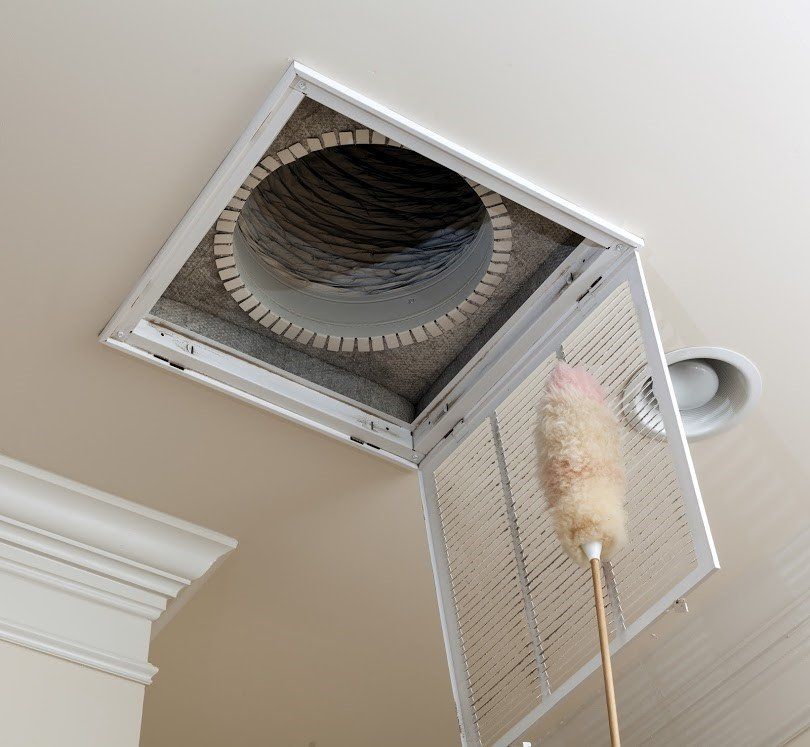
Ever turn on your AC in Tamarac and suddenly the whole house smells like wet cardboard? Not exactly the relaxing Florida vibe you signed up for, right? After years of inspecting homes across Broward County, I can tell you something straight up: air duct mold hides in places homeowners almost never check.
I’ve crawled through attics, opened air handlers, and scoped duct systems in homes that looked perfectly clean. And guess what? Many of them still had mold quietly circulating through the air. So today, let’s talk homeowner-to-homeowner about what real inspections reveal about duct mold, minus the scare tactics and sales drama.
Why Air Duct Mold Happens So Often in Tamarac Homes
Florida homes run air conditioning almost nonstop. That constant cooling creates condensation, and condensation creates moisture. Add dust and darkness, and mold moves in like it pays rent.
Here’s why mold often grows inside duct systems:
- AC condensation buildup
- Clogged drain lines
- Dirty evaporator coils
- High indoor humidity
- Leaky or poorly insulated ducts
- Lack of regular HVAC maintenance
Ever wonder why mold appears even in new homes? Mold doesn’t care about construction year. It only needs moisture and airflow problems, and AC systems provide both when neglected.
Lesson #1 From Real Inspections: Mold Rarely Starts Where You See It
Mold Usually Begins Deep Inside the System
One Tamarac homeowner called because allergies kept getting worse. The house looked spotless, and vents looked clean too.
We inspected the system and found heavy mold growth inside the air handler insulation and return ducts. Moisture from a slow drain clog had fed mold for months.
The homeowner never saw anything because the problem stayed hidden. So ask yourself: when did someone last inspect inside your HVAC unit, not just the vents?
Lesson #2: Air Duct Mold Spreads Faster Than People Think
Mold inside ductwork doesn’t stay in one place. Your HVAC system pushes air everywhere.
Mold Spores Travel Through Every Room
During inspections, homeowners often complain about:
- Persistent allergies
- Sneezing or coughing indoors
- Musty smells when AC runs
- Headaches at home
- Breathing discomfort
- Dust buildup near vents
Ever notice symptoms improve once you leave the house? That’s often because mold spores stay concentrated indoors.
Long-term exposure makes homes uncomfortable, and nobody wants their own AC system working against them.
Lesson #3: Clean Homes Still Get Duct Mold
Here’s a myth we constantly debunk: mold only grows in dirty homes. Totally false.
Clean Homes Still Have Moisture Problems
We regularly inspect homes that look magazine-ready yet still suffer duct mold issues. Mold grows because:
- AC systems create condensation
- Drain lines clog
- Airflow stays restricted
- Insulation absorbs moisture
- Humidity remains high indoors
Ever visit someone’s spotless home that still smells damp? Mold doesn’t care about cleaning routines—it follows moisture.
FYI, some of the worst mold we find hides in well-maintained homes.
Signs Your Air Duct System Might Have Mold
Mold rarely shows up without warning. Homes usually give subtle clues first.
Warning Signs Tamarac Homeowners Should Notice
Watch for:
- Musty odors when AC turns on
- Dark dust or spots around vents
- Frequent allergy symptoms indoors
- High indoor humidity
- Uneven airflow
- Repeated AC drain line clogs
- Persistent damp smells
Ever notice the smell appears only when cooling starts? That often points to contamination inside ducts or air handlers.
Ignoring these signs often leads to bigger remediation costs later.
Mold Inspection vs Mold Testing — Know the Difference
Homeowners often ask whether testing or inspection comes first. Both help, but they serve different purposes.
What Mold Inspection Covers
Professional inspection includes:
- Internal duct checks
- Air handler inspection
- Moisture detection
- Leak identification
- Drain line evaluation
- Ventilation analysis
Inspection finds where mold grows.
What Mold Testing Measures
Testing helps by:
- Measuring airborne spores
- Comparing indoor and outdoor air quality
- Identifying mold types
- Confirming contamination levels
Inspection finds the problem; testing measures exposure.
IMO, guessing wastes money because mold returns if moisture stays unresolved.
Mold Removal vs Duct Remediation: Huge Difference
Another lesson inspections teach us: surface cleaning rarely fixes duct mold problems.
Mold Removal Handles Surface Growth
Removal often includes:
- Cleaning visible mold
- Removing contaminated materials
- Treating affected surfaces
Mold Remediation Solves the Root Cause
Remediation involves:
- Correcting moisture sources
- Cleaning entire HVAC systems
- Improving airflow
- Drying affected areas
- Preventing future mold growth
Remediation keeps mold from returning.
Ever clean something only to see mold show up again weeks later? That happens when moisture problems remain untouched.
Common HVAC Mold Problems Found in Tamarac Homes
After hundreds of inspections, certain patterns repeat across Tamarac neighborhoods.
Issues We Frequently Discover
We often find:
- Mold inside return air ducts
- Dirty coils trapping moisture
- Overflowing drain pans
- Wet attic duct insulation
- Improperly sealed ducts
- High indoor humidity levels
And here’s the kicker—most homeowners suspect walls or bathrooms first, not HVAC systems.
Why? Because mechanical spaces stay out of sight.
How Tamarac Homeowners Can Prevent Duct Mold
Good news—you don’t need expensive upgrades to lower risks. Simple maintenance habits help a lot.
Practical Prevention Tips
Follow these steps:
- Schedule annual AC maintenance
- Replace air filters regularly
- Keep humidity below 60%
- Flush drain lines periodically
- Seal duct leaks
- Address water leaks immediately
- Inspect systems after storms
Small efforts today prevent expensive repairs tomorrow 🙂
When Should You Call Mold and Duct Professionals?
DIY cleaning works for dust, not for mold contamination deep inside duct systems.
Call professionals if:
- Musty odors persist
- Mold appears near vents
- Allergy symptoms worsen indoors
- AC units leak frequently
- Mold returns after cleaning
- You smell mold but can’t find it
Professionals use containment and filtration systems that prevent spores from spreading during cleanup.
Why gamble with indoor air quality when experts can solve the issue safely?
Why Local Experience Matters in Tamarac
Homes in Tamarac share common humidity and moisture challenges, but every property behaves differently.
Local professionals understand:
- Broward County humidity patterns
- Storm-driven moisture risks
- Typical duct installation issues
- Ventilation weaknesses in Florida homes
Experience speeds up diagnosis and prevents unnecessary repairs.
Final Thoughts: Catch Duct Mold Early, Save Big Later
Real inspections across Tamarac teach one clear lesson: air duct mold grows when moisture problems stay untreated, not because homes are dirty or cursed.
Smart homeowners focus on maintenance, inspections, and quick moisture repairs. Those simple habits keep HVAC systems clean and indoor air healthy.
So next time your AC smells weird, ask yourself, “Is my duct system trying to tell me something?”
Fix moisture early, inspect regularly, and your Tamarac home stays comfortable, efficient, and mold-free for years to come.
