
Lessons From Real Inspections: Black Mold Insights for Homes in Broward County
Black mold is one of the most misunderstood problems homeowners face. Some people panic the moment they hear the words, while others assume it’s just another scare tactic. The truth sits somewhere in between—and you only really understand it after seeing what shows up during real home inspections.
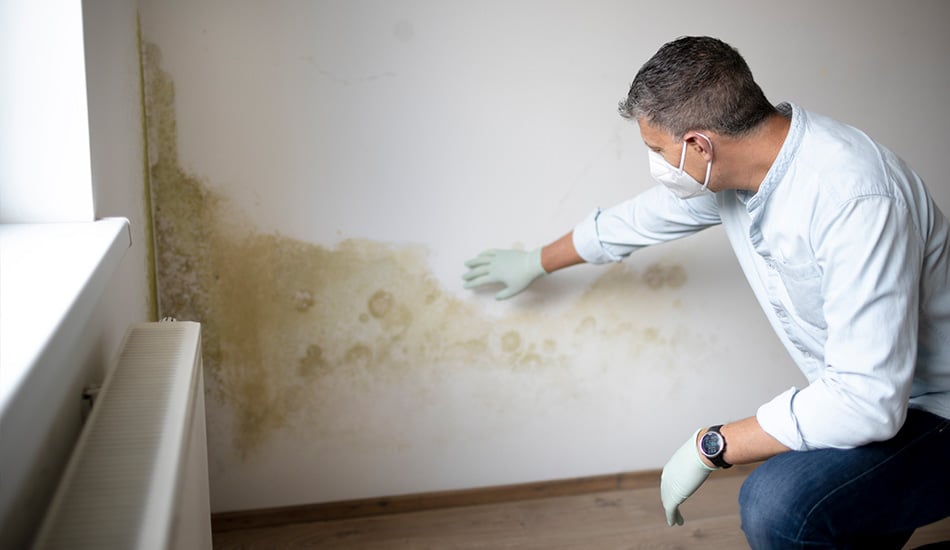
Across Broward County, black mold doesn’t usually appear overnight or without warning. In most cases, it’s the result of missed moisture, ignored leaks, or assumptions that “it’s probably nothing.”
This article breaks down lessons learned from real inspections, what black mold actually looks like in homes, and what homeowners consistently get wrong.
First Reality Check: “Black Mold” Isn’t Always What People Think
One of the first things inspectors learn is that not all black-colored mold is toxic black mold.
Homeowners often point to:
- Dark stains on walls
- Black spots around vents
- Discoloration on baseboards
And assume the worst.
The real lesson:
- Many molds appear black, green, or dark gray
- Color alone does not identify toxicity
- Only testing can confirm mold type
During inspections, visual panic often turns into relief—or clarity—once facts replace assumptions.
Where Black Mold Is Actually Found During Inspections
In Broward County homes, black mold rarely grows out in the open. It prefers hidden, undisturbed areas with consistent moisture.
Common inspection discoveries include:
- Behind drywall after slow plumbing leaks
- Under flooring near bathrooms and kitchens
- Inside AC air handlers and duct systems
- Beneath window sills after repeated rain intrusion
- Inside wall cavities near exterior walls
Most homeowners had no idea these areas were affected.
Lesson #1: Small Leaks Cause Big Mold Problems
One of the biggest inspection lessons is how often black mold starts from minor water issues.
Not floods. Not disasters. Just things like:
- A slow drip under a sink
- A clogged AC drain line
- Minor roof seepage
- Window leaks during storms
What inspectors see:
Moisture sits quietly behind walls or under floors. Weeks pass. Sometimes months. Mold grows long before anyone notices a stain or smell.
Lesson #2: Dry Doesn’t Always Mean Dry
During inspections, walls often feel dry to the touch—yet moisture meters tell a different story.
Materials like drywall, wood, and insulation:
- Absorb water internally
- Dry unevenly
- Trap moisture in hidden layers
The lesson:
Surface dryness doesn’t equal moisture-free. Mold grows where homeowners never think to check.
Lesson #3: AC Systems Are a Major Mold Contributor
In Broward County, air conditioning runs most of the year—and inspectors frequently find black mold linked to HVAC systems.
Common causes include:
- Condensation buildup
- Dirty coils
- Poor airflow
- Insulation-lined ductwork holding moisture
Once mold forms inside an AC system, spores can circulate throughout the home—even if growth isn’t visible.
Lesson #4: DIY Cleaning Often Makes It Worse
Inspectors regularly see homes where black mold problems expanded after DIY attempts.
Common mistakes:
- Bleaching visible mold only
- Painting over affected areas
- Using store-bought sprays without fixing moisture
- Ignoring hidden growth
The real-world result:
Surface mold disappears temporarily, but growth continues behind walls—often spreading further.
Lesson #5: Symptoms Don’t Always Match the Problem
Another surprising inspection lesson: not everyone reacts the same way to black mold.
Some occupants report:
- Headaches
- Sinus issues
- Allergy flare-ups
- Fatigue
Others feel perfectly fine—even with significant mold present.
The takeaway:
Lack of symptoms doesn’t mean lack of mold. Many inspections start because of property damage, not health complaints.
Why Broward County Homes Are High-Risk
Several local factors consistently show up in inspections:
- High humidity year-round
- Heavy seasonal rainfall
- Slab foundations hiding leaks
- Older plumbing in some neighborhoods
- Constant AC use
Even well-maintained homes can develop black mold if moisture goes unnoticed.
Early Warning Signs Inspectors Say Homeowners Miss
Before black mold becomes visible, inspectors often note warning signs homeowners overlooked:
- Bubbling or peeling paint
- Warped baseboards
- Persistent humidity indoors
- Musty odors that come and go
- Flooring that feels slightly soft
- Stains that “keep coming back”
These clues usually appear long before mold is discovered.
Lesson #6: Early Action Changes Everything
Homes where moisture issues were addressed early usually show:
- Limited mold growth
- Lower remediation costs
- Minimal disruption
Homes where problems were ignored?
- Widespread mold
- Structural material removal
- Higher costs
- Longer repair timelines
The lesson is simple:
Time favors mold—not homeowners.
What Real Inspections Teach Smart Homeowners
After seeing hundreds of homes, inspectors agree on one thing: homeowners who avoid major mold problems don’t panic—but they don’t ignore issues either.
They:
- Investigate leaks immediately
- Control indoor humidity
- Inspect after water damage
- Look beyond surface appearances
- Avoid DIY shortcuts
Final Thoughts: Real Inspections Tell a Clear Story
Black mold in Broward County homes isn’t rare—but it’s also not random or unavoidable.
Real inspections show that black mold usually follows the same pattern:
- Moisture enters
- It goes unnoticed
- Mold grows quietly
- Damage appears later
The biggest lesson isn’t fear—it’s awareness. When homeowners understand how black mold actually develops and where it hides, they make better decisions earlier—and avoid expensive surprises later.
