
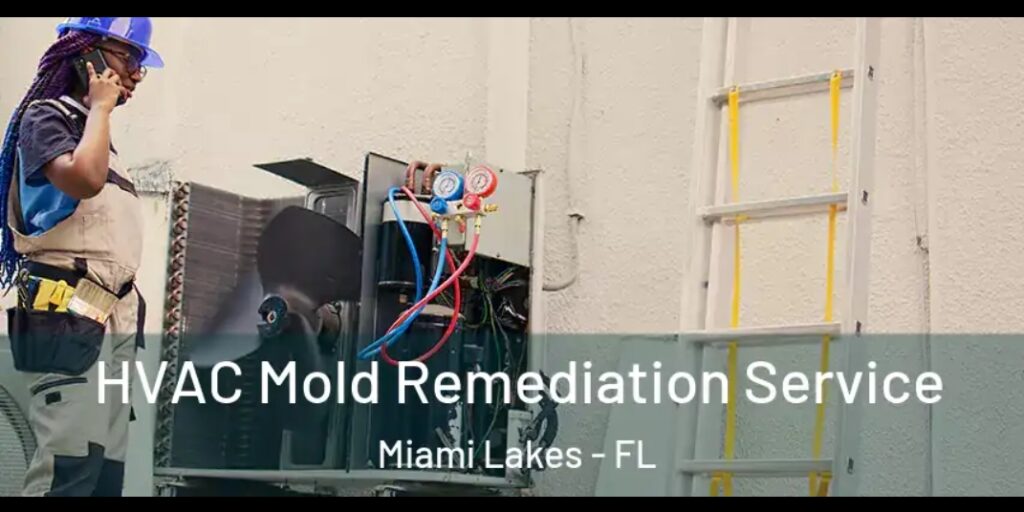
Lessons From Real Inspections: Mold Remediation Insights for Homes in
Mold remediation sounds intimidating, but real inspections across Florida tell a very consistent story—remediation works when it follows facts, not shortcuts. Most failed jobs we re-inspect didn’t fail because mold is “unstoppable.” They failed because key steps got skipped.
I’ve walked into homes where mold was “treated” three times and still came back. Ever wonder why some remediation jobs last and others don’t? Inspections answer that pretty clearly.
Mold Remediation Is Bigger Than Mold Removal
Removing Mold Isn’t the Same as Remediating It
Mold removal focuses on getting rid of visible growth. Mold remediation addresses the entire environment that allowed mold to grow in the first place.
Real remediation includes:
- Removing contaminated materials
- Controlling moisture sources
- Preventing spore spread
- Verifying results
Rhetorical question time: if the conditions stay the same, why wouldn’t mold return?
Moisture Control Determines Success
Every Failed Job Shares the Same Flaw
Across Florida inspections, failed remediation almost always traces back to unresolved moisture.
Common moisture issues include:
- AC condensation problems
- Clogged drain lines
- High indoor humidity
- Minor plumbing or roof leaks
IMO, moisture control matters more than any chemical or equipment used during remediation.
Containment Makes or Breaks Remediation
Spore Control Isn’t Optional
One of the biggest mistakes we see is skipping proper containment. Without it, spores spread during cleanup and create new problems.
Proper remediation uses:
- Physical containment barriers
- Controlled airflow
- Careful material removal
- Safe disposal methods
FYI, remediation without containment often makes contamination worse.
HVAC Systems Must Be Included
Mold Doesn’t Respect Room Boundaries
If mold reaches the HVAC system, remediation must include it. Otherwise, spores keep circulating through the home.
Inspection findings frequently show mold in:
- Evaporator coils
- Blower compartments
- Duct insulation
- Drain pans
Ignoring HVAC contamination explains many repeat remediation failures.
Testing Confirms Whether Remediation Worked
You Can’t Assume Success
Real inspections show that mold testing after remediation matters. Visual cleanliness doesn’t guarantee airborne mold levels dropped.
Testing helps:
- Confirm remediation effectiveness
- Identify missed areas
- Provide peace of mind
Skipping post-remediation testing leaves homeowners guessing.
Why DIY “Remediation” Fails in Florida Homes
Florida’s Climate Raises the Stakes
High humidity and constant AC use make Florida homes unforgiving. DIY approaches usually don’t address moisture, containment, or HVAC involvement.
DIY efforts often:
- Spread spores during cleanup
- Miss hidden contamination
- Ignore ongoing moisture
Effort alone doesn’t beat biology.
Patterns We See Across Florida Homes
Same Climate, Same Mistakes
From condos to single-family homes, inspections reveal the same remediation patterns statewide.
Higher-risk homes often include:
- Older HVAC systems
- Previous water damage
- Poor ventilation
- High indoor humidity
When remediation ignores these factors, mold usually returns.
What Successful Mold Remediation Looks Like
The Jobs That Don’t Come Back
The remediation jobs that last all follow the same playbook.
They include:
- Thorough mold inspection before work begins
- Mold testing to guide scope
- Complete removal of contaminated materials
- Moisture correction and HVAC involvement
- Verification testing after completion
When remediation follows inspection data, results stick.
Lessons Homeowners Learn After Proper Remediation
The Difference Is Immediate
Homes feel different after real remediation—air smells cleaner, humidity stabilizes, and symptoms ease up.
Key takeaways from inspections:
- Mold remediation is a process, not a spray
- Moisture control prevents regrowth
- HVAC systems matter
- Verification confirms success
Why repeat cleanup when proper remediation ends the cycle?
Final Thoughts: Mold Remediation Works When It Follows Reality
Mold remediation in Florida homes succeeds when it’s driven by inspection data, moisture control, and proper containment—not fear tactics or shortcuts.
When mold inspection, mold testing, mold removal, and mold remediation work together, mold stops being a recurring problem and becomes a solved one—for good 🙂
