
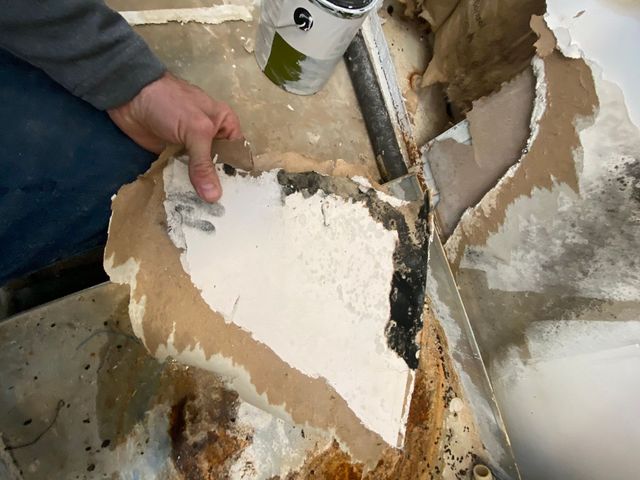
Mold removal sounds straightforward until you’ve seen what actually goes wrong inside real homes. Across Florida, we walk into houses where mold was “removed” multiple times—yet it keeps coming back. Not because homeowners didn’t try hard enough, but because mold removal gets misunderstood more than almost any other service. From real inspections, the difference between removing mold and solving a mold problem is where everything either gets easier or way more expensive.
This article shares lessons from real inspections, focusing on mold removal insights for homes in Florida. No scare tactics. No miracle claims. Just what professionals consistently see, what works, and what quietly fails when corners get cut.
Why Mold Removal Gets Misunderstood in Florida Homes
Living in Florida means humidity, sealed homes, and long cooling seasons. Mold feels common, which makes people underestimate it.
Most homeowners assume:
- Mold removal means wiping mold away
- Once mold is gone, the problem is solved
- If it comes back, cleaning harder will fix it
From inspections statewide, those assumptions explain why repeat mold issues are so common.
What Mold Removal Actually Means
Mold removal focuses on eliminating existing mold growth from affected materials.
Proper mold removal includes:
- Physically removing contaminated materials
- Cleaning non-porous surfaces correctly
- Preventing spore spread during removal
Mold removal does not automatically stop mold from returning. That’s where many homeowners get burned.
Lesson #1: Mold Is a Moisture Problem First
This is the biggest lesson inspections teach.
Every mold removal job that fails shares one trait:
- Moisture stayed active
Across Florida homes, we consistently find mold regrowth when:
- Indoor humidity stays elevated
- HVAC condensation continues
- Water intrusion never fully dried
If moisture doesn’t change, mold removal becomes temporary.
Why Florida Homes Make Mold Removal Tricky
Florida’s climate creates constant pressure on buildings.
Inspection patterns often show:
- High indoor humidity year-round
- Short AC cycles that cool without drying
- Moisture trapped behind walls
- Condensation inside HVAC systems
These conditions mean mold removal must account for environment, not just visible growth.
Lesson #2: Visible Mold Is Only Part of the Story
Many homeowners remove what they can see and stop there.
From real inspections:
- Hidden mold often exists behind visible growth
- Removing surface mold doesn’t address internal growth
- Mold inside walls continues spreading quietly
Visible mold is usually the last place mold shows up—not the first.
Common Places Mold Gets Missed During Removal
From inspection data, mold often remains in:
- Behind drywall
- Under cabinets and vanities
- Inside closets
- Inside HVAC systems
- Around plumbing penetrations
Missing these areas explains why mold “comes back” after removal.
Lesson #3: HVAC Systems Change Everything
Once mold involves the HVAC system, mold removal becomes a whole-home issue.
We frequently find:
- Mold on evaporator coils
- Damp internal insulation
- Standing water in drain pans
- Spores exiting supply vents
Removing mold in one room won’t help if the HVAC system keeps distributing spores.
Why DIY Mold Removal Usually Fails
DIY mold removal focuses on cleaning. Mold problems usually live deeper.
DIY efforts often:
- Remove surface growth only
- Disturb spores into the air
- Leave moisture untouched
- Miss HVAC involvement
We often see larger remediation projects after DIY attempts than before.
Lesson #4: Containment Matters More Than People Think
One of the biggest mistakes during mold removal is skipping proper containment.
Without containment:
- Spores spread to clean areas
- Airflow distributes contamination
- Removal creates new exposure
Professional containment limits spread and keeps removal from making things worse.
Mold Inspection: Where Removal Plans Start Correctly
A professional mold inspection determines what removal actually needs to happen.
During inspections, professionals evaluate:
- Moisture sources
- Extent of contamination
- Hidden growth
- HVAC system conditions
Skipping inspection often leads to incomplete removal.
When Mold Testing Supports Removal Decisions
Not every mold removal requires mold testing, but testing helps in specific situations.
Testing becomes useful when:
- Mold isn’t visible everywhere
- HVAC involvement is suspected
- Health symptoms exist
- Verification is needed
Testing confirms whether mold removal reduced airborne exposure—not just surface growth.
Lesson #5: Mold Removal vs. Mold Remediation Is the Cost Divider
This distinction defines success.
- Mold removal eliminates existing mold
- Mold remediation fixes moisture and prevents regrowth
Removal without remediation almost always leads to repeat costs.
Why “Quick Mold Removal” Often Costs More Later
Fast removal feels cheaper upfront. Inspections show it rarely stays that way.
Quick fixes often lead to:
- Mold returning within months
- Larger affected areas
- HVAC contamination later
- More invasive remediation
Doing it right once costs less than doing it twice.
Real Inspection Insight: “We Already Removed the Mold”
One Florida homeowner removed visible mold twice. Inspection revealed moisture behind drywall and mold inside the HVAC system. Each removal addressed symptoms, not cause.
Once remediation corrected moisture and HVAC issues, mold stopped returning.
Lesson #6: Verification Prevents Repeat Problems
After mold removal, verification matters.
Verification may include:
- Moisture measurements
- Visual confirmation
- Optional follow-up testing
Skipping verification leaves homeowners guessing whether removal actually worked.
Structural Damage Grows Alongside Mold
Mold doesn’t eat houses, but moisture weakens them.
Inspection findings often include:
- Soft drywall
- Damp insulation
- Wood drying slowly
Early removal combined with moisture correction prevents structural repairs later.
Why Florida Mold Removal Often Expands Over Time
Florida homes face constant moisture pressure. Delay gives mold time to spread.
Ignoring early growth often leads to:
- Multi-room contamination
- HVAC involvement
- Larger demolition scopes
Early removal limits disruption and cost.
When Mold Removal Alone Is Enough
Not every situation requires full remediation.
From inspections, mold removal alone may work when:
- Growth is localized
- Moisture source is fixed immediately
- No HVAC involvement exists
The key is confirmation—not assumption.
Preventing Mold After Removal
Removal only succeeds when conditions change.
Effective prevention includes:
- Managing indoor humidity
- Maintaining HVAC drainage
- Fixing leaks immediately
- Using ventilation properly
These steps matter more than cleaning products ever will.
How Often Florida Homes Should Be Evaluated
Routine evaluation catches problems before removal becomes necessary.
We recommend inspections:
- Annually
- After water damage
- When odors appear
- Before buying or selling
Early checks keep mold removal small and manageable.
Final Thoughts: Mold Removal Works When It’s Complete
Mold removal in Florida homes isn’t about scrubbing harder or reacting faster. It’s about understanding conditions, moisture, and airflow. From real inspections, mold removal succeeds only when it fits into a larger plan.
That plan stays consistent: thorough mold inspection, targeted mold testing when appropriate, proper mold removal, and complete mold remediation focused on moisture control. Remove mold and the conditions that allowed it, and it usually doesn’t come back.
If mold keeps returning after removal, don’t assume bad luck. From what we see inside homes, that’s almost always a sign something important got missed—and catching it early is still far cheaper than repeating the cycle.
