
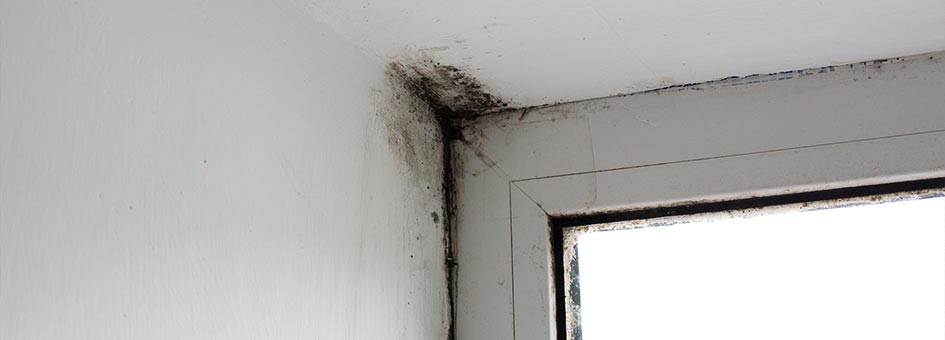
Mold testing sounds mysterious until you’ve seen enough real inspections. In Plantation, homeowners often ask the same question: “Do I actually need mold testing, or am I just being cautious?” From what we see inside homes, the answer isn’t emotional—and it’s definitely not fear-based. It’s situational. The data either adds clarity or it doesn’t, and knowing when it helps saves time and money.
This article shares lessons from real inspections, focusing on mold testing insights for homes in Plantation. No hype. No upsells. Just how testing actually gets used, when it matters, and when it doesn’t.
Why Mold Testing Gets Misunderstood in Plantation Homes
Living in Plantation means humidity, sealed construction, and air conditioning running almost nonstop. Mold concerns come up often, but testing gets confused with inspections.
Most homeowners assume:
- Mold testing is always required
- Testing replaces an inspection
- Results automatically mean remediation
Real inspections show testing is a tool, not a default solution.
What Mold Testing Actually Does (And Doesn’t Do)
Mold testing doesn’t “find mold” in walls. It measures what’s in the air or on surfaces at a specific moment.
Testing can:
- Identify elevated airborne mold levels
- Compare indoor air to outdoor air
- Confirm exposure when mold isn’t visible
Testing cannot:
- Locate the exact source by itself
- Replace a physical inspection
- Determine health outcomes
That’s why testing works best when paired with inspection data.
Lesson #1: Testing Without Inspection Creates Confusion
One of the biggest mistakes we see is testing without context.
In real cases, this leads to:
- Numbers without explanation
- Normal results misread as problems
- Elevated results without knowing why
A proper mold inspection explains the building first. Testing then fills in gaps.
When Mold Testing Actually Adds Value
From real inspections in Plantation, testing helps most when something doesn’t add up.
Testing adds value when:
- Odors exist but no mold is visible
- Symptoms worsen indoors
- HVAC involvement is suspected
- Mold keeps returning after cleaning
- Documentation matters for real estate
In these cases, testing confirms or rules out airborne exposure.
Lesson #2: HVAC Systems Change the Testing Decision
HVAC systems play a huge role in whether testing makes sense.
We often recommend testing when inspections reveal:
- Damp air handlers
- Mold on evaporator coils
- Standing water in drain pans
- Insulation that never fully dries
When HVAC systems get involved, testing helps determine whether spores circulate through the home.
Why Plantation Homes Show Consistent Testing Patterns
Homes throughout Broward County face humidity pressure, but Plantation homes show some recurring trends.
Inspection patterns often include:
- Elevated indoor humidity
- Limited natural air exchange
- Tight construction
- HVAC systems running almost constantly
These conditions increase the chance that hidden mold affects indoor air.
Lesson #3: Surface Testing Isn’t Always Useful
Surface samples sound logical, but they often tell homeowners less than expected.
From real inspections:
- Surface tests confirm what’s already visible
- Results rarely change remediation decisions
- Moisture matters more than surface type
Air sampling usually provides more actionable insight than surface testing alone.
Why Air Sampling Gets Used More Often
Air samples help answer one key question: “Is mold affecting the air people breathe?”
Air sampling helps when:
- Mold is suspected but hidden
- Multiple rooms feel affected
- HVAC distribution is possible
- Symptoms don’t match what’s visible
Used correctly, air data adds clarity instead of confusion.
Lesson #4: One Test Doesn’t Tell the Whole Story
Mold levels fluctuate based on humidity, activity, and HVAC cycling.
From inspections, we see:
- Higher readings during humid conditions
- Spikes when systems turn on
- Variations between rooms
That’s why results need interpretation, not panic.
Mold Testing vs. Mold Removal Decisions
Testing doesn’t automatically trigger mold removal. Inspection findings still lead the plan.
Typical outcomes include:
- No action needed
- Targeted moisture correction
- Localized mold removal
- Full mold remediation
Testing helps confirm scope, not inflate it.
Lesson #5: Testing Helps Prevent Over-Remediation
One underrated benefit of testing is cost control.
In real cases, testing has:
- Confirmed no airborne issue
- Prevented unnecessary demolition
- Reduced remediation scope
Data protects homeowners from doing more than needed.
When Mold Testing Usually Isn’t Necessary
Testing doesn’t help in every situation.
From experience, testing often adds little when:
- Mold is clearly visible and localized
- Moisture sources are obvious
- Remediation scope is already defined
In these cases, correcting moisture and removing affected materials matters more.
Mold Testing and Health Questions
Testing doesn’t diagnose health conditions, but it helps connect patterns.
We often see testing used when:
- Symptoms worsen indoors
- Symptoms improve when leaving home
- Medical providers request environmental data
Testing provides environmental context—not medical conclusions.
Lesson #6: Timing Matters More Than People Think
When you test matters.
Poor timing can lead to:
- Misleading low results
- Temporary spikes misread as danger
Professional inspections account for:
- Humidity conditions
- HVAC operation
- Occupancy patterns
That context makes results useful instead of alarming.
Mold Testing After DIY Cleaning
DIY cleaning often prompts testing later.
In those cases, inspections often show:
- Reduced surface growth
- Ongoing moisture issues
- Continued airborne exposure
Testing confirms whether cleaning actually solved the problem—or just hid it.
Mold Removal vs. Mold Remediation: Testing’s Role
Testing doesn’t replace remediation planning.
The distinction still matters:
- Mold removal eliminates visible growth
- Mold remediation stops conditions that allow growth
Testing supports decisions, but moisture correction drives success.
Real Inspection Insight: “We Wanted Peace of Mind”
One Plantation homeowner noticed mild odors but no visible mold. Inspection revealed elevated humidity and damp HVAC insulation. Air testing confirmed airborne mold levels above outdoor baselines.
Targeted remediation addressed the HVAC system and moisture control. Follow-up testing showed improvement, and no unnecessary demolition occurred.
Why Ignoring Data Costs More Later
Skipping testing when it’s appropriate often delays clarity.
Delays can lead to:
- Worsening air quality
- Expanded mold growth
- Larger remediation scopes
Used correctly, testing speeds up the right solution.
Verification: Where Testing Really Shines
Post-remediation verification often includes testing.
Verification confirms:
- Airborne levels returned to normal
- HVAC contamination resolved
- Moisture corrections worked
This step prevents repeat problems and repeat costs.
How Often Homes Need Mold Testing
Most homes don’t need routine testing.
Testing usually makes sense:
- After water damage with unclear impact
- When selling or buying a home
- When symptoms persist indoors
- After remediation for verification
Strategic use beats routine use every time.
Preventing Mold Problems Beyond Testing
Testing doesn’t prevent mold. Conditions do.
Effective prevention includes:
- Managing indoor humidity
- Maintaining HVAC drainage
- Fixing leaks quickly
- Using ventilation properly
Control moisture, and testing becomes less necessary.
Final Thoughts: Testing Works When Used Correctly
Mold testing in Plantation homes isn’t about fear or guesswork. It’s about timing, context, and using data wisely. From real inspections, testing works best when it answers a specific question—not when it’s used blindly.
The solution stays consistent: thorough mold inspection, targeted mold testing when appropriate, proper mold removal, and complete mold remediation driven by moisture control. Use testing as a tool, not a trigger, and it does exactly what it’s supposed to do—bring clarity.
If you’re unsure whether mold testing makes sense for your home, that uncertainty alone is usually the sign to start with an inspection. From what we see inside homes, the right data at the right time always costs less than guessing later.
