
Moisture Problems Most Homeowners Miss – A Homeowner’s Guide for Homes in South Florida
Moisture problems don’t usually announce themselves with dripping ceilings or soaked carpets. They creep in quietly, sit unnoticed, and slowly set the stage for mold, odors, and expensive repairs. Homes across South Florida prove this again and again during real inspections. Most homeowners don’t ignore moisture on purpose—they just don’t realize where it hides or how much damage it causes over time.
If mold feels like it shows up “out of nowhere,” moisture almost always arrived first.
Why Moisture Problems Are So Easy to Miss in South Florida
South Florida’s climate blurs the line between “normal” and “problematic.” High humidity feels expected, AC runs nonstop, and small damp spots don’t seem urgent.
Moisture issues get missed because:
- Humidity feels normal year-round
- Surfaces often look dry
- AC systems mask moisture problems
- Leaks stay small and hidden
- Drying takes much longer than people expect
Ever think, “That’ll dry out eventually”? In South Florida, that’s a risky assumption.
The Moisture You Can’t See Causes the Most Damage
Visible water gets attention. Hidden moisture does the real damage. Inspections consistently show that moisture trapped inside materials causes more mold and structural issues than obvious leaks.
Hidden moisture often exists:
- Behind drywall
- Inside wall cavities
- Under flooring
- Inside insulation
- Around plumbing lines
- Near AC components
IMO, moisture you can’t see causes more problems because it stays undisturbed longer.
Condensation: The Most Overlooked Moisture Problem
It Looks Harmless—Until It Isn’t
Condensation causes more long-term moisture damage than most homeowners realize. It forms quietly and repeatedly, especially in South Florida homes.
Common condensation locations include:
- AC vents and registers
- Ductwork
- Windows and sliding doors
- Bathroom ceilings
- Walls near temperature differences
Because condensation comes and goes, people rarely treat it as a warning sign. Mold sees it as an invitation.
AC Systems: Comfort With a Moisture Trade-Off
Air conditioning keeps homes comfortable, but it also creates moisture. Cooling air removes humidity, and that moisture has to go somewhere.
AC-related moisture issues include:
- Wet evaporator coils
- Standing water in drain pans
- Drain line backups
- Condensation inside ducts
- Moist insulation near vents
If drainage or airflow falls short, moisture lingers—and mold gets comfortable fast.
Slow Plumbing Leaks That Stay Hidden for Years
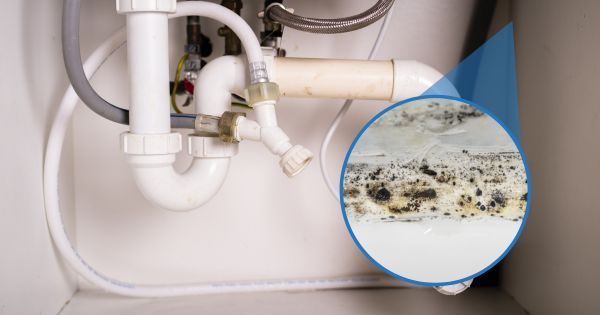
Not all plumbing leaks cause floods. Some leaks drip slowly inside walls or cabinets, feeding moisture for months or even years.
Inspections frequently uncover:
- Leaks under sinks
- Moisture behind shower walls
- Slow pipe seepage
- Wet cabinets with no visible pooling
- Warped or swollen materials
Because damage progresses slowly, homeowners often don’t notice until mold or odors appear.
Bathroom Moisture That Never Fully Dries
Bathrooms generate more moisture than almost any other room. In South Florida, poor ventilation turns normal shower steam into a chronic moisture problem.
Common bathroom moisture issues include:
- Weak or unused exhaust fans
- Steam trapped behind walls
- Condensation on ceilings
- Moisture behind tile or grout
If mirrors stay foggy long after showers end, moisture probably lingers where it shouldn’t.
Kitchen Moisture Most People Ignore
Kitchens hide moisture better than bathrooms. Small leaks and humidity from cooking often go unnoticed.
Inspections often reveal:
- Leaks under sinks
- Moisture behind dishwashers
- Poor ventilation during cooking
- Condensation near exterior walls
FYI, cabinet interiors often show moisture damage long before homeowners notice anything wrong.
Attic Moisture: Out of Sight, Big Impact
Attics play a major role in moisture control, but most homeowners never check them. Poor ventilation allows warm, humid air to get trapped.
Attic moisture problems include:
- Condensation on roof decking
- Wet insulation
- Poor airflow
- Bathroom vents exhausting into attic space
Moist attics don’t stay isolated—they affect ceilings, walls, and indoor air quality.
Storm-Related Moisture That Doesn’t Dry Properly
South Florida storms introduce moisture in subtle ways. Wind-driven rain enters through small gaps that don’t always leave obvious stains.
Common storm-related moisture sources include:
- Roof penetrations
- Window and door seals
- Wall flashing
- Exterior cracks
Water doesn’t need to pour in to cause problems. It just needs a place to settle.
Flooring That Traps Moisture Below the Surface
Certain flooring materials hide moisture exceptionally well. Tile, laminate, and vinyl can trap moisture underneath while surfaces look fine.
Inspections often find:
- Wet subfloors
- Moist concrete slabs
- Hidden mold under flooring
- Odors with no visible source
When floors feel cool or smell musty, moisture often sits below.
Why Humidity Turns Small Issues Into Big Ones
Humidity amplifies every moisture problem. A minor leak that might dry out elsewhere stays wet in South Florida.
High humidity causes:
- Slower evaporation
- Persistent damp materials
- Recurring condensation
- Increased mold risk
Ever notice paint bubbling or baseboards warping without obvious leaks? Humidity usually plays a role.
What Inspections Reveal About Missed Moisture Problems
Moisture-focused inspections consistently uncover issues homeowners never suspected.
Common findings include:
- Elevated moisture behind walls
- Hidden damp insulation
- Condensation feeding mold growth
- HVAC-related moisture
- Multiple moisture sources working together
FYI, most homes don’t have just one moisture problem—they have several.
How Missed Moisture Leads Directly to Mold
Mold doesn’t appear randomly. It grows where moisture stays active long enough.
Missed moisture problems lead to:
- Hidden mold growth
- Recurring odors
- Indoor air quality issues
- Material deterioration
- Higher remediation costs
Fixing mold without fixing moisture almost guarantees repeat problems.
Why DIY Checks Usually Miss Moisture Issues
DIY moisture checks rely on sight and touch. Hidden moisture doesn’t show itself that way.
DIY efforts miss problems because:
- Moisture hides inside materials
- Condensation comes and goes
- Airflow patterns get overlooked
- HVAC systems go unchecked
Professional inspections focus on data, not guesses.
The Cost of Ignoring Small Moisture Problems
Inspection data shows a clear trend. Homes that ignore moisture early pay more later.
Delaying action often leads to:
- More extensive mold growth
- Structural material removal
- HVAC contamination
- Higher repair costs
- Longer disruptions
Small moisture problems rarely stay small.
What Homeowners Can Do to Catch Moisture Early
You don’t need to panic—just pay attention.
Smart steps include:
- Monitoring indoor humidity
- Watching for recurring condensation
- Checking under sinks and cabinets
- Using bathroom exhaust fans consistently
- Investigating musty odors early
- Scheduling inspections after storms or water events
Early awareness saves money and stress.
Why South Florida Homes Need Proactive Moisture Control
Homes here face:
- High humidity year-round
- Heavy AC dependence
- Frequent storms
- Limited drying time
- Condensation-prone construction
Moisture control isn’t optional in South Florida—it’s essential.
Final Thoughts: Moisture Is the Root Problem Most People Miss
Moisture problems rarely look urgent at first, but they quietly create bigger issues over time. Homes across South Florida show that mold, odors, and air quality problems almost always trace back to moisture that went unnoticed.
Catch moisture early, control humidity, and investigate the small signs. When moisture stays under control, mold usually doesn’t get the chance to move in—and that’s a win every homeowner can appreciate.
