
Moisture Problems Most Homeowners Miss – Lessons From Real Inspections for Homes in Davie
Most moisture problems in Davie homes don’t announce themselves with dripping ceilings or standing water. They hide. They develop slowly. And they’re often missed because everything looks fine—until mold shows up, flooring warps, or indoor air starts feeling heavy.
From real inspections across Davie, one lesson stands out: the most expensive moisture problems are the quiet ones homeowners overlook. This guide walks through the moisture issues inspectors repeatedly find, why they’re easy to miss, and how catching them early prevents mold, damage, and unnecessary repairs—without panic.
Why Davie Homes Are Prone to Hidden Moisture
Davie’s environment creates ideal conditions for moisture to linger:
- High humidity most of the year
- Heavy rain and storms
- Constant air-conditioning use
- Slab foundations that conceal leaks
- Modern construction that slows drying
Moisture doesn’t need a flood. It needs time and limited airflow—both common here.
Lesson #1: “Dry to the Touch” Doesn’t Mean Dry
One of the most common inspection findings is moisture trapped behind surfaces that feel dry.
Inspectors frequently find:
- Damp drywall behind intact paint
- Moist insulation inside wall cavities
- Wet framing beneath baseboards
Porous materials (drywall, wood, insulation) absorb water and release it slowly—especially in humid climates. Surface drying masks what’s happening inside.
Lesson #2: Small Leaks Cause Big Problems
Homeowners often ignore slow drips because they seem harmless. Inspections say otherwise.
Common overlooked sources:
- Pin-hole plumbing leaks
- Loose supply lines under sinks
- Refrigerator water lines
- Minor roof seepage after storms
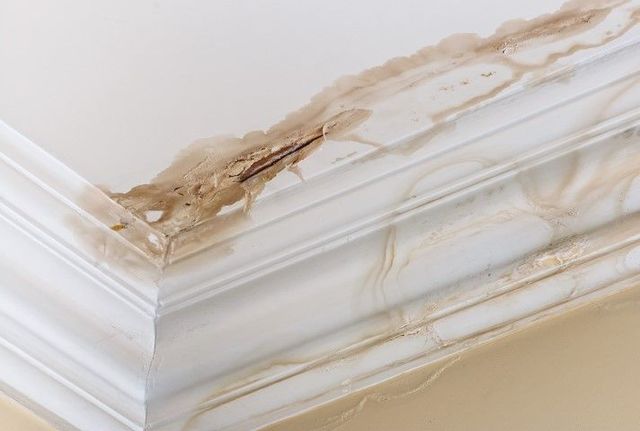
These leaks keep materials damp for weeks or months—perfect conditions for mold to establish quietly.
Lesson #3: Condensation Is a Moisture Source (Not Just a Nuisance)
Condensation shows up repeatedly in Davie inspections and is often dismissed.
Inspectors commonly see:
- Condensation on AC vents
- Moisture around windows
- Damp air handlers and drain pans
Condensation feeds moisture into walls and ceilings. If drainage or airflow is poor, it doesn’t dry—it accumulates.
Lesson #4: High Humidity Without Leaks Still Causes Damage
A major misconception is that moisture requires a leak. In Davie homes, inspectors often find elevated indoor humidity alone causing problems.
Signs include:
- A home that feels cool but “sticky”
- Musty odors that come and go
- Condensation forming regularly
Humidity above safe levels allows mold to grow without any active leak.
Lesson #5: Bathrooms and Laundry Areas Trap Moisture
Bathrooms and laundry rooms are hotspots—especially when ventilation is weak.
Common inspection findings:
- Exhaust fans that vent poorly or not at all
- Moisture trapped behind tile and grout
- Damp drywall behind laundry appliances
These spaces may look clean, but hidden moisture lingers where airflow is limited.
Lesson #6: Flooring Hides Moisture Better Than You Think
Inspectors often find moisture under:
- Laminate flooring
- Vinyl plank floors
- Carpet padding
Surface floors can look perfect while moisture remains underneath, slowly damaging subfloors and feeding mold.
Lesson #7: HVAC Systems Can Spread Moisture Problems
HVAC systems don’t create moisture—but they can move it.
Inspectors frequently find:
- Damp duct insulation
- Mold on evaporator coils
- Moisture inside air handlers
Once moisture and mold enter HVAC components, the problem can affect multiple rooms, not just one area.
Lesson #8: Repainted Areas Are Red Flags
Fresh paint often hides past moisture issues.
Behind newly painted surfaces, inspectors often uncover:
- Trapped moisture
- Active mold growth
- Soft or deteriorating drywall
Painting hides warning signs and slows drying—making moisture problems worse.
Lesson #9: “Minor” Water Events Still Matter
Many Davie inspections trace mold back to water events homeowners didn’t think were serious:
- Overflowing tubs or toilets
- AC drain backups
- Brief roof leaks during storms
If materials weren’t dried thoroughly, moisture can persist long after the event is forgotten.
Early Warning Signs Inspectors Say Not to Ignore
Before moisture becomes obvious damage, inspectors often note:
- Bubbling or peeling paint
- Baseboards pulling away
- Flooring that feels soft or uneven
- Musty smells that come and go
- Indoor humidity that never feels comfortable
These signs are early opportunities to intervene.
Why Missed Moisture Gets Expensive
Inspection histories show a clear cost pattern:
- Early detection = localized repair
- Delayed response = wider material removal
- Long delays = HVAC involvement and higher costs
Moisture doesn’t suddenly become expensive—it becomes expensive because it’s ignored.
What Professionals Do Differently
Professionals focus on conditions, not appearances.
They:
- Identify moisture sources
- Measure moisture inside materials
- Dry affected areas thoroughly
- Improve airflow and ventilation
- Prevent conditions that allow moisture to linger
When moisture is controlled, mold struggles to survive.
Practical Advice for Davie Homeowners (No Panic)
Smart steps that make a real difference:
- Monitor indoor humidity
- Address even small leaks promptly
- Ensure bathrooms and laundry areas ventilate properly
- Maintain HVAC systems and drain lines
- Don’t rely on paint or cleaning to “solve” moisture
These actions prevent problems instead of chasing them.
When a Closer Look Makes Sense
Further evaluation is wise when:
- Moisture issues keep recurring
- Musty odors persist
- Repairs fail in the same spot
- Mold has returned after cleaning
- Water damage occurred in the past
Clarity early prevents surprises later.
Final Thoughts: Moisture Is the Real Problem to Watch
In Davie homes, mold and damage don’t start with visible growth—they start with missed moisture. The most costly problems are rarely dramatic; they’re the quiet ones hiding behind walls, under floors, and inside systems.
Homeowners who pay attention to subtle moisture clues and act early avoid bigger repairs, healthier air issues, and repeat problems.
