
Moisture Problems Most Homeowners Miss – Real Risks, Not Fear Tactics for Homes in
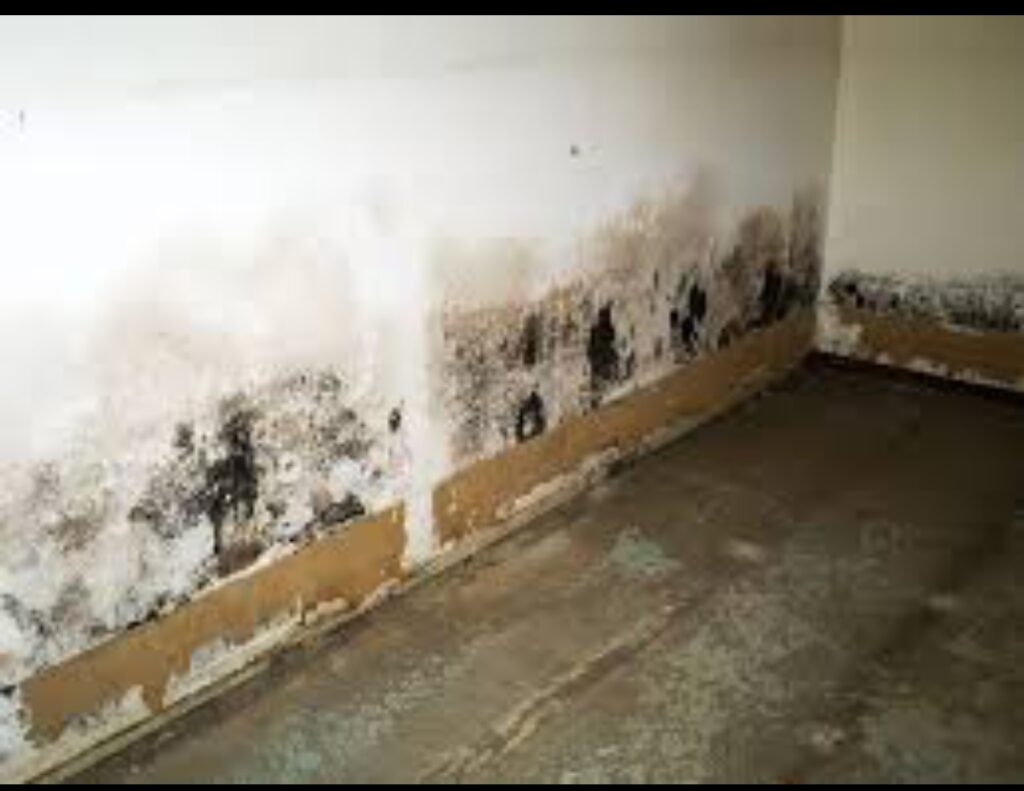
Moisture problems are one of the most common findings during inspections in Oakland Park homes—and also one of the most misunderstood. Many homeowners assume moisture issues only exist after obvious water damage, like flooding or major leaks. What real inspections show is that most moisture problems are quiet, gradual, and easy to miss, yet they create the perfect conditions for mold and long-term damage.
In South Florida’s humid climate, moisture doesn’t always show itself as dripping water. It often hides behind walls, under cabinets, or inside HVAC systems, slowly affecting building materials and indoor air quality. Understanding these overlooked moisture risks helps homeowners take smart action without fear-based assumptions.
One of the most frequently missed moisture problems is slow plumbing leaks. These leaks don’t leave puddles or stains right away. Instead, they release small amounts of water over long periods, soaking into drywall, wood, and cabinetry.
Inspections in Oakland Park homes often uncover moisture:
- Behind bathroom and kitchen walls
- Under sinks with loose fittings
- Around supply lines to toilets and appliances
Because damage develops slowly, these leaks often go unnoticed until mold or material deterioration appears.
Another common issue is HVAC condensation. Air conditioning naturally produces moisture, but when drainage or airflow is compromised, condensation builds up where it shouldn’t.
What inspections frequently reveal:
- Moisture around air handlers
- Damp drain pans or clogged drain lines
- Condensation soaking nearby drywall or insulation
This moisture often stays hidden behind panels or in AC closets, quietly supporting mold growth.
High indoor humidity is another major moisture problem homeowners often overlook. Even without leaks, humidity alone can keep materials damp enough for mold to grow.
In Oakland Park homes, inspections regularly show:
- Indoor humidity above recommended levels
- Condensation on vents or windows
- Air that feels heavy or clammy
Humidity-related moisture is subtle but highly effective at supporting mold.
Poor ventilation is another risk factor. Bathrooms, kitchens, and laundry areas produce moisture that needs to be vented out of the home. When ventilation is inadequate, moisture stays indoors.
Common inspection findings include:
- Bathroom fans that don’t vent outdoors
- Kitchens lacking proper exhaust
- Laundry areas trapping humidity
Over time, this trapped moisture seeps into surrounding materials.
Another moisture issue many homeowners miss is past water damage that never fully dried. Even when visible water is cleaned up, moisture can remain trapped inside walls, ceilings, or floors.
Inspections often reveal:
- Damp insulation from old leaks
- Moisture behind repaired drywall
- Mold growth far from the original water source
These hidden moisture pockets can persist for months or years.
A key lesson from real inspections is that moisture problems are rarely dramatic. Homeowners usually don’t see dripping water or major stains. Instead, they notice subtle signs like odors, discomfort, or mold that keeps returning.
These signs often indicate:
- Ongoing moisture exposure
- Slow material breakdown
- Conditions favorable to mold growth
Ignoring them allows damage to progress quietly.
Real inspections do not support fear-based claims that every moisture issue is an emergency. Most problems develop gradually and can be managed effectively when identified early.
A practical approach focuses on:
- Locating hidden moisture
- Understanding its source
- Correcting ventilation or drainage issues
- Monitoring indoor humidity
This approach addresses risk without unnecessary alarm.
Inspection data consistently shows that homes with unmanaged moisture eventually develop secondary problems, including mold growth, material deterioration, and indoor air quality issues.
Addressing moisture early:
- Limits mold development
- Reduces repair costs
- Protects indoor air quality
- Preserves building materials
Waiting allows small issues to compound.
Professional inspections focus on finding moisture homeowners can’t see. Moisture meters, HVAC evaluations, and targeted inspections provide clarity about what’s actually happening inside the home.
This replaces guesswork with facts.
Homes in face constant humidity and moisture challenges that make hidden moisture problems common—but manageable when identified early.
