
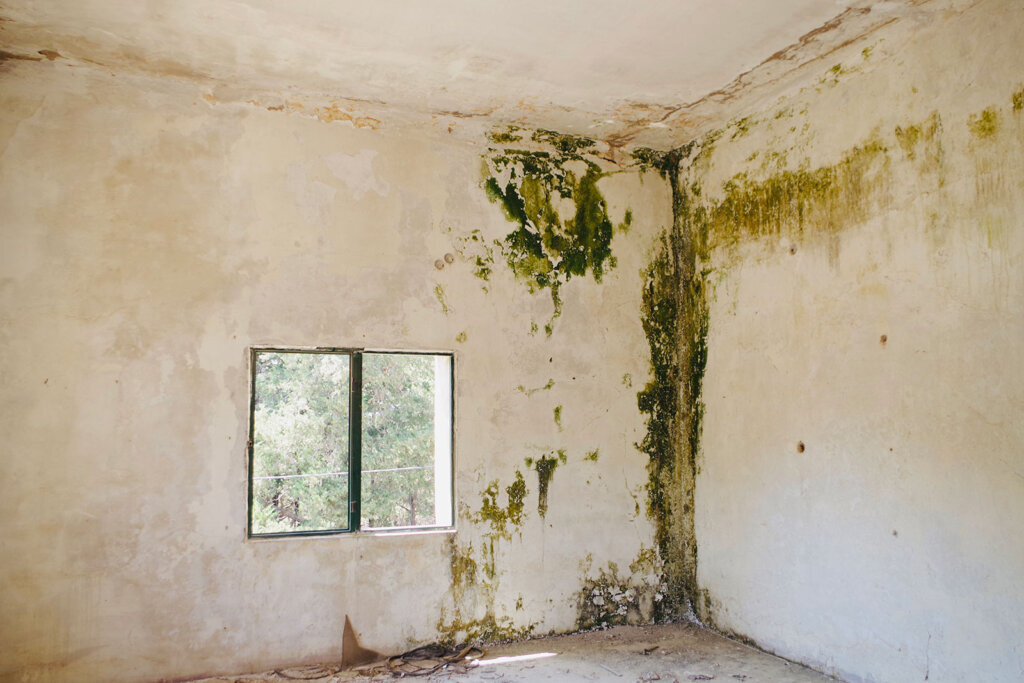
Moisture Problems Most Homeowners Miss – Real Risks, Not Fear Tactics for Homes in Pembroke Pines, Florida
If you live in Pembroke Pines, moisture is something your home battles every single day. Between humidity, heavy rain, and constant AC use, moisture doesn’t need a dramatic leak to cause real problems. In fact, the most damaging moisture issues are usually the ones homeowners never notice.
This guide focuses on real risks, not fear tactics. No exaggeration, no doom-and-gloom—just practical insight into the moisture problems experts consistently find in Pembroke Pines homes, why they’re missed, and what homeowners should realistically pay attention to.
Why Moisture Is a Bigger Problem Than Mold (At First)
Mold gets the attention—but moisture is the root cause.
Moisture problems:
- Start quietly
- Spread slowly
- Damage materials over time
- Create ideal conditions for mold later
In Pembroke Pines, most moisture issues develop without floods or obvious water damage. Small, ongoing moisture exposure is far more common—and far more overlooked.
Moisture Problem #1: High Indoor Humidity That Feels “Normal”
What homeowners think:
“This is just Florida.”
What experts see:
Indoor humidity staying above 60% for long periods.
Common signs include:
- Rooms that never feel fully dry
- Clothes or shoes feeling damp
- Condensation on vents or windows
- Persistent musty smells
Even without visible water, high humidity alone can:
- Feed mold growth
- Damage drywall and wood
- Reduce indoor air quality
- Stress HVAC systems
Humidity doesn’t need to feel extreme to cause problems—it just needs to be consistent.
Moisture Problem #2: AC Condensation Issues Hidden in Plain Sight
Your AC removes moisture from the air—that water has to go somewhere.
In Pembroke Pines homes, experts often find:
- Clogged condensate drain lines
- Drain pans holding standing water
- Air handlers located in closets with poor airflow
- Condensation dripping inside cabinets or walls
These issues rarely cause immediate damage, which is why they’re missed. But over time, they create constant dampness, one of the most reliable moisture sources in Florida homes.
Moisture Problem #3: Small Leaks That Never Get Worse—But Never Get Better
Big misconception:
“If it’s not getting worse, it’s fine.”
Slow leaks under sinks, behind toilets, or inside walls often:
- Don’t cause visible damage
- Don’t drip consistently
- Go unnoticed for months or years
Meanwhile, moisture quietly:
- Soaks drywall
- Warps cabinetry
- Feeds hidden mold
- Weakens building materials
By the time damage is visible, the problem has usually existed far longer than homeowners realize.
Moisture Problem #4: Bathrooms That Don’t Fully Dry
Bathrooms are one of the most common moisture problem zones in Pembroke Pines homes.
Warning signs experts see:
- Steam lingering long after showers
- Exhaust fans that don’t vent outdoors
- Peeling paint on ceilings
- Musty smells behind vanities
Even daily moisture that dries most of the time can still cause problems when ventilation is poor. Moisture trapped behind walls or cabinets often goes unnoticed until mold is discovered later.
Moisture Problem #5: Windows and Doors That Sweat Indoors
Condensation on windows isn’t just a nuisance—it’s a moisture signal.
Common causes include:
- Poor seals
- Temperature differences
- High indoor humidity
- Aging windows
That condensation often drips into:
- Window sills
- Drywall
- Framing materials
Over time, this creates localized moisture damage that homeowners mistake for “old house issues.”
Moisture Problem #6: Closets With Poor Airflow
Closets—especially exterior-wall closets—trap moisture easily.
Experts frequently find:
- Musty-smelling clothes
- Mold on shoes or leather
- Damp drywall behind storage
Because closets stay closed and unventilated, moisture builds silently. Many homeowners don’t check these spaces until a smell or visible growth appears.
Why These Moisture Problems Are So Easy to Miss
Moisture problems survive because:
- They don’t always smell strong
- They don’t cause immediate damage
- Homes still look clean and functional
- Symptoms are subtle and gradual
In Pembroke Pines homes, HVAC systems can also mask issues by circulating air evenly—making moisture-related problems feel vague or “house-wide” rather than localized.
Real Risks of Ignoring Moisture (No Fear Tactics)
Let’s keep this grounded.
What long-term moisture can lead to:
- Hidden mold growth
- Reduced indoor air quality
- Material deterioration
- Higher remediation costs later
- Ongoing odors and discomfort
What it usually doesn’t do:
- Instantly ruin a home
- Create immediate health emergencies
- Require tearing everything out
Most moisture problems are manageable when addressed early.
How Moisture and Mold Are Connected (Simply)
Moisture is the fuel. Mold is the result.
If moisture continues:
- Surfaces stay damp
- Mold spores settle and grow
- Growth spreads quietly
- Odors and symptoms develop
Removing mold without fixing moisture almost guarantees the problem will return.
Practical Signs Homeowners Should Take Seriously
Pay attention if you notice:
- Musty smells that come and go
- Condensation on vents or windows
- Paint bubbling or peeling
- Discoloration that returns after cleaning
- Rooms that never feel dry
These are moisture warnings, not cosmetic annoyances.
What Experts Actually Recommend (Calm, Practical Advice)
Instead of panicking, experts suggest:
- Monitoring indoor humidity (aim below 60%)
- Ensuring AC drain lines stay clear
- Using bathroom exhaust fans consistently
- Fixing small leaks immediately
- Improving airflow in closets and enclosed rooms
- Periodically inspecting high-risk areas
These steps prevent most serious moisture problems before they escalate.
Why Early Attention Saves Money and Stress
Early moisture control usually means:
- Minor repairs
- Targeted fixes
- Minimal disruption
Waiting often leads to:
- Hidden mold discovery
- Larger repair areas
- Higher long-term costs
Time—not severity—is what turns small moisture problems into expensive ones.
Final Thoughts: Awareness Beats Fear Every Time
Moisture problems in Pembroke Pines homes don’t usually announce themselves loudly. They settle in quietly—behind walls, under cabinets, inside AC systems—doing small amounts of damage over long periods.
The real risk isn’t moisture itself. It’s missing the early signs or dismissing them as “normal Florida stuff.” When homeowners stay informed, observant, and proactive, moisture problems stay manageable and homes stay healthier.
If something feels damp, smells off, or keeps coming back, that’s not a reason to panic—it’s a reason to pay attention.
