
Moisture Problems Most Homeowners Miss – The Science Explained Simply for Homes in Davie
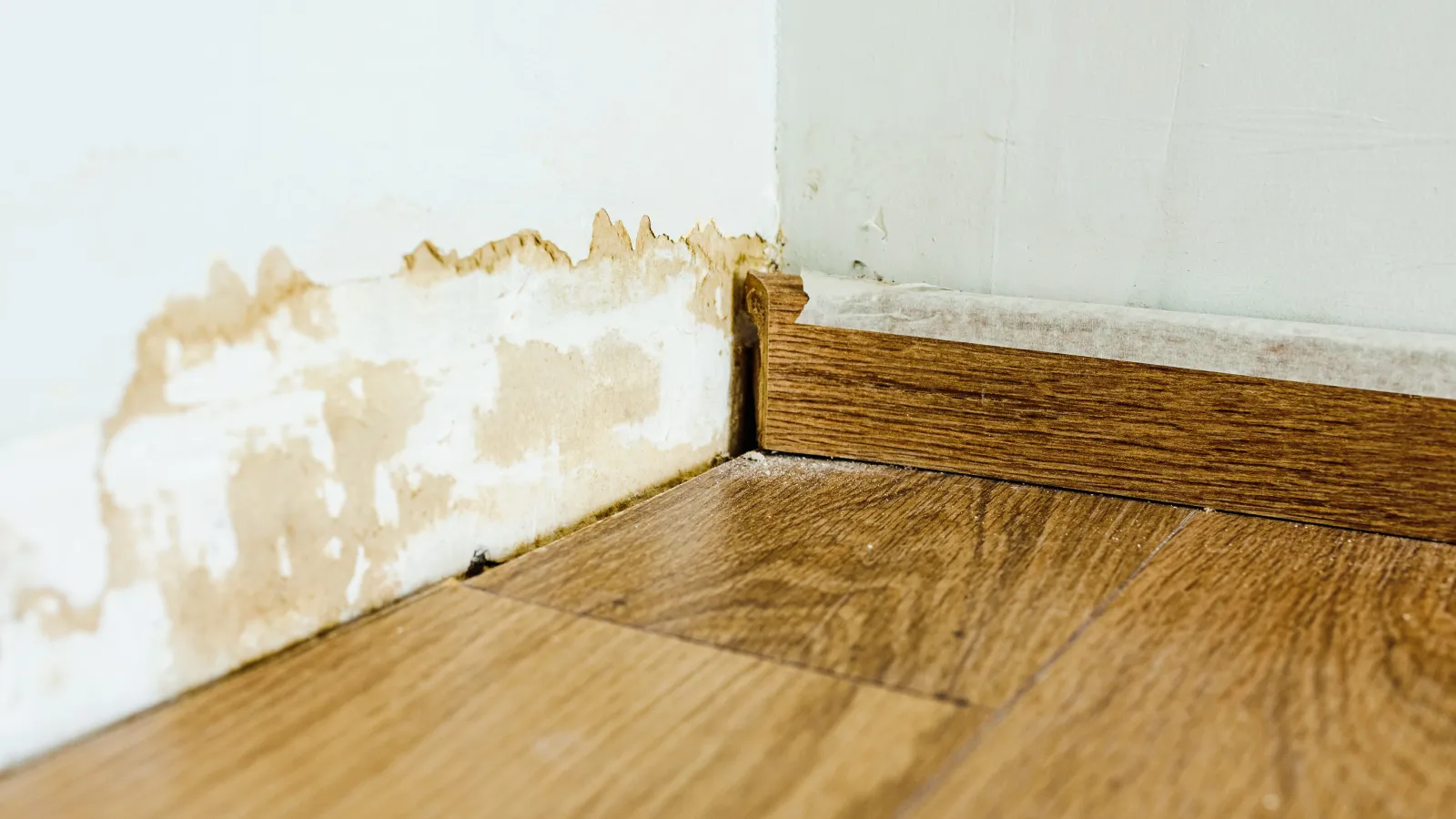
Ever walked into a room and thought, “Why does it smell a little musty in here?” Yeah… that tiny hint often tells a bigger story.
I’ve seen this happen in homes across Davie, Pembroke Pines, Plantation, Sunrise, Cooper City, and other Broward County cities, and the pattern stays the same: moisture hides first, mold shows up later. And by the time mold becomes visible, the real problem has usually been around for months.
Let’s break this down in plain English, no science degree required.
Why Moisture Causes So Many Hidden Problems
Moisture doesn’t need drama. It doesn’t need flooding or a burst pipe. It just needs time, warmth, and a place to sit.
And South Florida? Well… humidity practically sends mold an invitation.
Here’s the simple science behind it:
- Warm air holds moisture.
- Cooler surfaces cause condensation.
- Trapped moisture feeds mold spores.
- Mold spreads quietly until you notice the smell or staining.
That’s it. That’s the whole chain reaction.
Sounds simple, right? But homeowners miss the early steps all the time.
Moisture Problems Most Homeowners Overlook
Small Leaks That Never Look Urgent
A slow drip under a sink or behind a wall rarely feels like an emergency. Most people think, “I’ll get to it next weekend.”
Next weekend turns into next month… and mold quietly builds up inside cabinets or drywall.
Slow leaks create some of the worst hidden mold problems we find during mold inspection jobs in Davie and nearby areas.
AC Condensation Issues
Air conditioning systems remove moisture from the air, but they also create condensation. If drainage lines clog or insulation fails, moisture builds up in places homeowners never check.
Common spots include:
- Air handler closets
- Attics around ducts
- Drain pans
- Supply vents
Ever noticed a ceiling vent sweating during summer? That’s a warning sign.
Bathroom Humidity That Lingers Too Long
Steam from showers doesn’t disappear instantly. When ventilation falls short, moisture settles into:
- Ceiling drywall
- Grout lines
- Cabinets
- Paint layers
IMO, bathroom ventilation remains one of the most overlooked moisture control factors in Florida homes.
The Science Explained Simply: How Mold Actually Starts
People often think mold suddenly appears overnight. That’s not true.
Here’s what really happens:
- Moisture settles into porous materials like drywall or wood.
- Mold spores, already present in the air, land on that surface.
- Within 24–48 hours, growth begins.
- Colonies expand silently behind walls or under flooring.
Mold doesn’t need light. Mold doesn’t need much space. Mold just needs moisture.
And unfortunately, modern homes with tighter insulation sometimes trap humidity even more.
Hidden Areas Where Moisture Builds First
Ever wondered why mold inspections often reveal problems in places homeowners never expected?
Here are the usual suspects:
- Behind baseboards
- Inside wall cavities
- Under laminate flooring
- Around window frames
- Inside HVAC ductwork
During mold testing and mold inspection across Broward County, these areas come up again and again.
And yes, sometimes homeowners feel shocked. But honestly, moisture loves hidden spaces. That’s just how physics works.
Early Warning Signs Most People Ignore
Moisture problems rarely stay silent forever. Homes give clues—you just have to notice them.
Watch for:
- A persistent musty smell
- Peeling paint or bubbling drywall
- Warping baseboards
- Condensation on vents or windows
- Darkening grout or caulking
FYI, smell often appears before visible mold. If your home smells damp, something’s happening somewhere.
Why Davie Homes Face Unique Moisture Risks
Davie sits in a part of Broward County where:
- High humidity persists most of the year
- Sudden rainstorms dump heavy water quickly
- AC systems run constantly
- Many homes include attics and crawl spaces
All of these factors create ideal conditions for trapped moisture.
And here’s the kicker—newer homes don’t escape this problem. In fact, tighter construction sometimes traps humidity even more effectively.
Ever noticed how newer homes feel sealed up? Great for energy bills… not always great for moisture control.
How Professional Mold Inspection Helps Catch Problems Early
Homeowners often ask, “Do I really need a mold inspection if I don’t see mold?”
Short answer? Sometimes yes.
Professional inspections look for:
- Moisture readings inside walls
- Humidity levels in rooms and attics
- Airborne spore counts through mold testing
- Hidden water intrusion
Mold inspection, mold testing, mold removal, and mold remediation work together. One step finds the issue, another confirms it, and the next fixes it.
Across Davie, Weston, Miramar, Coral Springs, Tamarac, and Fort Lauderdale, early inspections often prevent expensive repairs later.
How Moisture Turns Into a Bigger Structural Problem
Here’s something many homeowners don’t realize: mold isn’t the only risk.
Moisture can also cause:
- Wood rot
- Insulation damage
- Drywall deterioration
- Flooring separation
And once materials weaken, repairs cost far more than prevention.
I’ve seen cases where a small leak behind a wall turned into a full drywall replacement project. Not fun. Not cheap either :/
Simple Steps Homeowners Can Take Right Now
You don’t need special equipment to reduce moisture risks.
Start with these habits:
- Run bathroom exhaust fans for 20 minutes after showers
- Check under sinks monthly
- Inspect AC drain lines every few months
- Keep indoor humidity below 60%
- Watch ceilings and baseboards after storms
These small steps prevent big headaches.
When Mold Removal and Remediation Become Necessary
Sometimes moisture problems go unnoticed too long. That’s when professional help becomes essential.
Mold removal eliminates contaminated materials.
Mold remediation addresses moisture sources and prevents recurrence.
The goal isn’t just cleaning mold—it’s fixing why mold grew in the first place.
Across Davie and surrounding Broward County cities, proper remediation often includes:
- Moisture source correction
- Containment of affected areas
- HEPA filtration
- Safe material removal
- Post-remediation testing
Without solving moisture, mold simply returns. Always.
Final Thoughts: Moisture Always Leaves Clues
Moisture problems don’t appear overnight, and they don’t disappear on their own. Homes whisper warnings long before mold spreads—you just have to listen.
If you notice odors, humidity, or condensation, don’t brush it off. Ask questions. Check your home. Stay curious.
Because honestly, catching moisture early feels a lot better than tearing out drywall later… trust me on that one.
And if there’s one takeaway to remember, it’s this:
