
Moisture Problems Most Homeowners Miss – What Most People Get Wrong for Homes in Hollywood, Florida
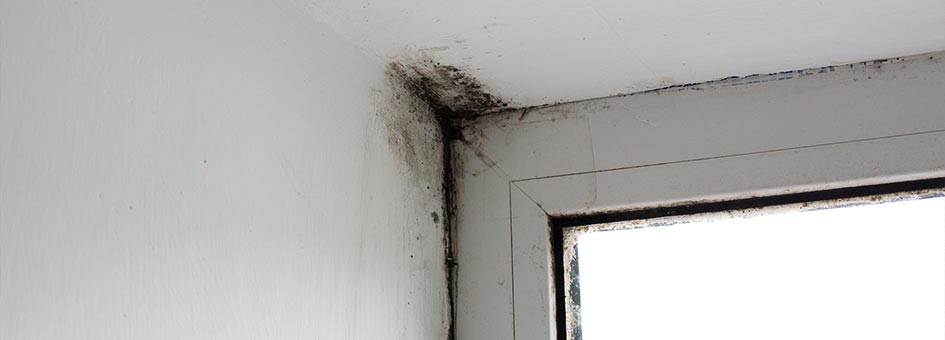
If you own a home in Hollywood, chances are you’re dealing with moisture more often than you realize. Not floods. Not dramatic leaks. Quiet, everyday moisture—the kind that slips past homeowners because it feels normal in South Florida. In real inspections, those missed moisture issues are the root cause behind most mold, odor, and indoor air quality problems we see.
This article breaks down what most people get wrong about moisture, based on what inspectors actually find inside Hollywood homes—no fear tactics, just practical insight that saves money and headaches.
Why Moisture Is So Easy to Miss in Hollywood Homes
Hollywood homes sit in a near-perfect moisture environment:
- High humidity most of the year
- Heavy rain and coastal air
- AC systems running almost nonstop
- Condensation from cooling warm, moist air
- Slab construction that limits drying
Because this feels “normal,” homeowners often assume dampness is unavoidable—or harmless. That assumption is where problems start.
What Most People Get Wrong #1: “It’s Just Humidity—Nothing I Can Do”
Reality: Humidity is controllable—and ignoring it is expensive.
In Hollywood inspections, indoor humidity above 60% shows up constantly. At that level:
- Mold can grow without leaks
- Dust mites thrive
- Odors linger
- Materials absorb moisture and weaken
Common signs homeowners dismiss:
- A house that never feels fully dry
- Closets that smell musty
- Windows or vents sweating
- Towels or clothes staying damp
Humidity doesn’t need to feel extreme to cause damage. It just needs to stay high consistently.
What Most People Get Wrong #2: “If There’s No Leak, There’s No Moisture Problem”
Some of the worst moisture damage comes from slow leaks, not floods.
In Hollywood homes, inspectors frequently uncover:
- Drips under sinks that never reach the floor
- Minor pipe leaks inside walls
- Toilet supply lines seeping slowly
- Shower plumbing leaking behind tile
Because these leaks don’t cause immediate damage, they’re ignored—sometimes for months. During that time, moisture feeds mold and weakens materials quietly.
What Most People Get Wrong #3: “My AC Removes Moisture Automatically”
AC systems can remove moisture—but only if everything works correctly.
Inspection data from Hollywood homes shows frequent issues:
- Partially clogged condensate drain lines
- Overflowing or rusted drain pans
- Moisture inside air handler cabinets
- Condensation near AC closets
When drainage or airflow is off, moisture builds up where homeowners never look—inside the system. Mold often starts here long before odors or stains appear.
What Most People Get Wrong #4: “Bathrooms Dry On Their Own”
Bathrooms are moisture factories, and ventilation mistakes are common.
Inspectors often find:
- Exhaust fans that are too weak
- Fans venting into attics instead of outside
- Fans rarely used during showers
- Moisture trapped behind tile and walls
Surface mold on ceilings is usually the last sign, not the first. By the time you see it, moisture has already been present for a while.
What Most People Get Wrong #5: “If I Don’t See Damage, There Isn’t Any”
Visible damage is rarely the whole story.
In Hollywood inspections, moisture is often found:
- Behind baseboards
- Under kitchen and bathroom cabinets
- Behind bathroom vanities
- Along exterior walls after rain
- Inside closets with poor airflow
These areas stay dark, warm, and damp—perfect conditions for mold. Homes can look spotless while moisture quietly causes damage behind the scenes.
What Most People Get Wrong #6: Ignoring Exterior Moisture After Rain
Hollywood sees frequent heavy rain, and small entry points matter.
Inspectors commonly detect moisture:
- Around window frames
- At door thresholds
- Along exterior walls
- Behind baseboards after storms
Tiny gaps allow repeated moisture intrusion. Over time, that moisture adds up—even without visible leaks.
What Most People Get Wrong #7: Overlooking the HVAC System’s Role
When moisture problems reach HVAC systems:
- Mold growth accelerates
- Spores circulate throughout the home
- Odors feel house-wide
A common homeowner comment:
“The smell only happens when the AC runs.”
That’s often moisture inside the system—not dirty air.
Why Ignoring Moisture Costs More Over Time
Moisture damage compounds quietly.
When moisture is ignored:
- Mold spreads behind walls and cabinets
- Drywall weakens and crumbles
- Wood swells and warps
- Insulation becomes contaminated
- HVAC systems get involved
What could have been a simple fix often turns into mold remediation plus reconstruction.
The Real Cost Difference: Early vs Late Action
Addressing moisture early usually means:
- Clearing drains
- Fixing small leaks
- Improving ventilation
- Controlling humidity
Addressing moisture late often requires:
- Wall and cabinet removal
- Mold remediation containment
- HVAC system cleaning or replacement
- Rebuilding affected areas
The moisture didn’t get worse—the scope did.
Warning Signs Hollywood Homeowners Should Not Ignore
Take moisture seriously if:
- Musty smells come and go
- Mold keeps returning after cleaning
- Walls feel cool or damp
- AC smells musty when running
- The house never feels fully dry
- Allergies worsen indoors
These signs almost always point to hidden moisture, not surface issues.
What Inspectors Recommend (From Real Hollywood Homes)
Practical, inspection-backed advice includes:
- Keep indoor humidity below 60%
- Clear and maintain AC drain lines
- Use bathroom exhaust fans consistently
- Fix small leaks immediately
- Inspect under sinks and around AC units
- Improve airflow in closets and enclosed rooms
Moisture control is preventative maintenance—not overreaction.
Why Hollywood Homes Benefit From Early Moisture Investigation
Hollywood’s climate means moisture problems don’t resolve on their own. They either stay the same or quietly expand.
Homeowners who act early:
- Spend less overall
- Avoid major disruption
- Protect indoor air quality
- Prevent HVAC contamination
Those who wait usually face bigger repairs later.
Final Thoughts: Moisture Is the Real Issue to Watch
In Hollywood homes, mold and air quality problems almost always trace back to missed moisture. The damage doesn’t happen because homeowners ignore disasters—it happens because small moisture issues feel harmless at first.
If something smells damp, keeps coming back, or just doesn’t feel right indoors, that’s not fear—it’s useful information. Catching moisture early is one of the smartest, most cost-effective moves a Hollywood homeowner can make.
