
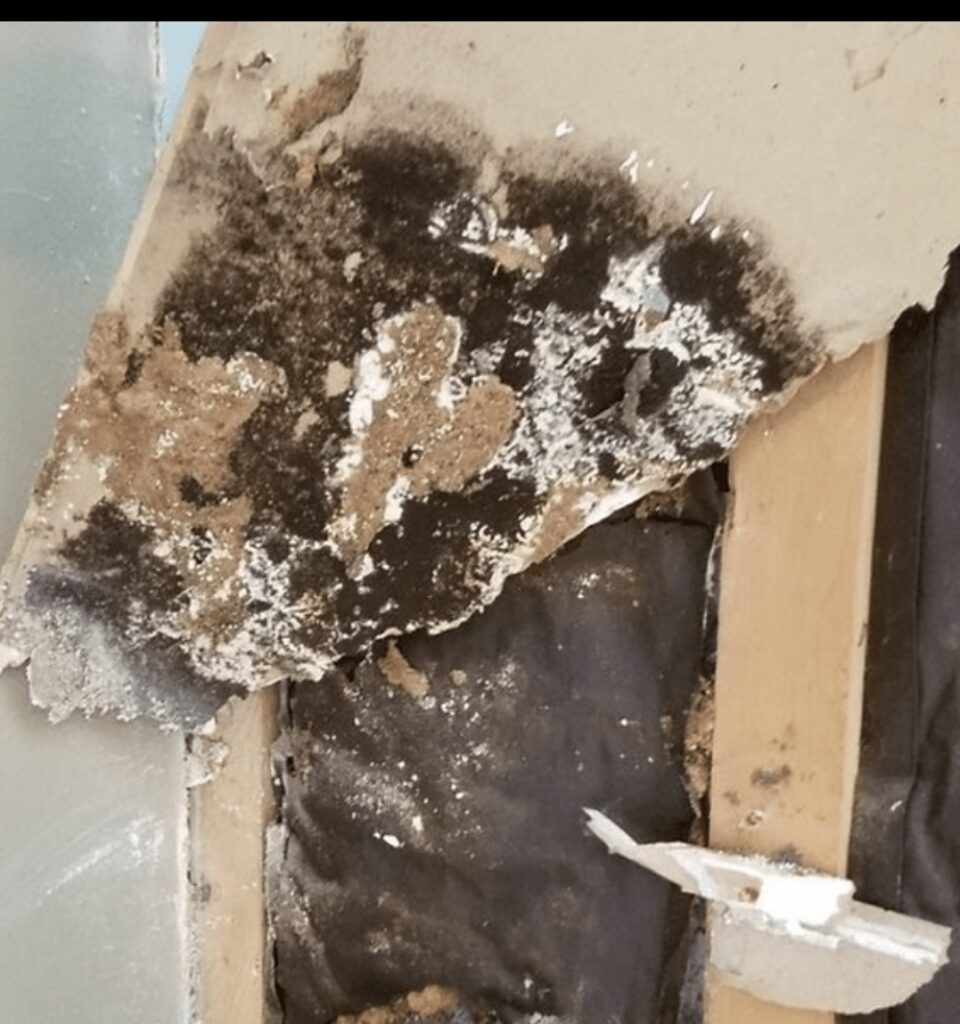
Moisture Problems Most Homeowners Miss – What Most People Get Wrong for Homes in
Let’s get one thing straight—most moisture problems in Weston homes don’t look dramatic. No puddles. No dripping ceilings. Just quiet, sneaky moisture doing damage behind the scenes. During inspections, we see the same pattern over and over: homeowners miss moisture issues because they don’t look like “real” water problems. Spoiler alert—they absolutely are.
If you’ve ever thought, “There’s no leak, so we’re fine,” this one’s for you.
Mistake #1: Assuming No Leak Means No Moisture
This is probably the most common misunderstanding we see. Moisture doesn’t always come from obvious leaks.
In Weston homes, inspections often uncover moisture from:
- High indoor humidity
- Condensation on AC components
- Poor airflow in enclosed spaces
- Minor plumbing seepage
Water doesn’t need to drip to cause trouble. It just needs to stick around.
Mistake #2: Trusting Dry Surfaces Too Much
Walls feel dry. Floors look fine. Everything seems normal. But porous materials don’t dry the way surfaces do.
We frequently find moisture:
- Inside drywall
- Behind baseboards
- Under cabinets
- Inside insulation
By the time you see damage, moisture has usually been there for a while.
Mistake #3: Ignoring Condensation Because “It’s Normal”
Condensation happens. Persistent condensation does not belong.
During inspections, we often spot:
- Water droplets on vents
- Damp AC closets
- Sweating ductwork
Condensation that keeps returning means moisture isn’t leaving—and mold usually follows.
Mistake #4: Overlooking the HVAC System
HVAC systems don’t just cool air—they manage moisture. When something goes wrong, moisture builds up fast.
Common HVAC-related moisture issues include:
- Clogged drain lines
- Overflowing drain pans
- Damp insulation inside air handlers
Ignoring HVAC moisture issues is one of the fastest ways to invite mold.
Mistake #5: Believing Newer Homes Don’t Have Moisture Issues
This one surprises people. Newer homes in Weston still deal with humidity and airflow challenges.
We routinely find moisture problems in:
- Recently built homes
- Newly renovated spaces
- Homes with modern insulation
Modern construction doesn’t cancel out Florida’s climate.
Mistake #6: Thinking Cleaning Fixes Moisture Problems
Cleaning removes surface issues. Moisture lives deeper.
After cleaning, inspections often reveal:
- Moist materials still trapped behind walls
- Mold growth continuing unseen
- Odors returning quickly
If moisture stays, problems come back. Simple as that.
Mistake #7: Ignoring Subtle Warning Signs
Moisture issues rarely announce themselves loudly. They whisper first.
Early clues homeowners miss include:
- Slight musty odors
- Air that feels damp
- Mold returning after cleaning
Those signs usually mean moisture is already at work.
Why Moisture Problems Cost More When Ignored
Moisture doesn’t stay contained. It spreads through materials and feeds mold growth.
Inspections show delayed action leads to:
- Larger affected areas
- More extensive remediation
- Higher repair costs
Early detection almost always saves money.
What Actually Works (No Guessing)
Professionals focus on:
- Measuring moisture, not assuming
- Evaluating HVAC moisture removal
- Identifying humidity issues
- Improving airflow
This approach stops problems instead of chasing symptoms.
Why Inspections Matter So Much
Inspections catch what homeowners can’t see. Moisture meters, thermal imaging, and HVAC evaluations reveal hidden conditions.
A proper inspection helps:
- Identify moisture early
- Prevent mold growth
- Avoid unnecessary repairs
Guessing always costs more than checking.
Final Thoughts
Moisture problems don’t need drama to cause damage. In Weston homes, they usually stay quiet until mold shows up.
Homes in face humidity year-round, so moisture deserves attention—even when everything looks “fine.”
If something feels off, don’t wait for visible damage. Moisture always leaves clues.
