
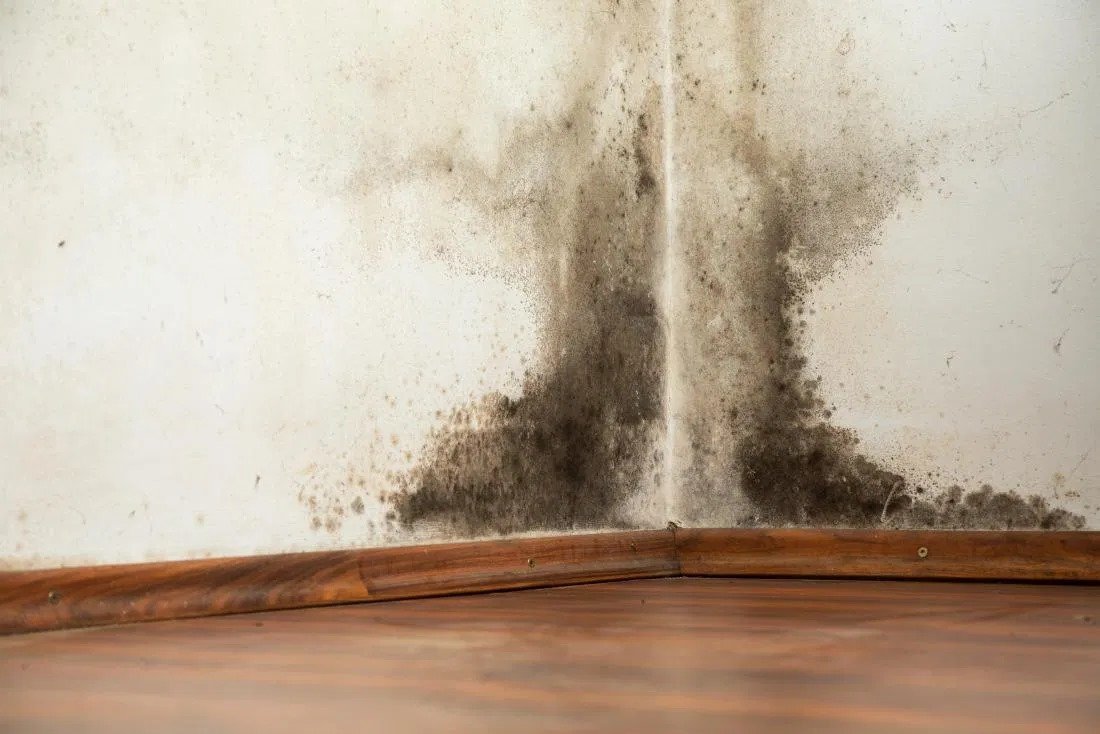
Moisture Problems Most Homeowners Miss – Why Ignoring It Costs More for Homes in Pompano Beach
Moisture problems rarely announce themselves. They don’t knock, they don’t drip dramatically, and they definitely don’t wait for permission. I’ve inspected a lot of homes in Pompano Beach, and the most expensive repairs almost always trace back to moisture issues homeowners didn’t notice—or didn’t think mattered.
This isn’t about panic or worst-case scenarios. It’s about the quiet, everyday moisture problems that sit unnoticed for months and slowly run up repair bills. The frustrating part? Most of them stay completely avoidable when caught early.
Why Moisture Gets Ignored So Easily
Most homeowners look for obvious water damage. Stains. Drips. Flooding. Moisture doesn’t usually work that way in South Florida.
Here, moisture sneaks in through humidity, condensation, and airflow issues. It builds slowly, spreads quietly, and damages materials before anyone realizes there’s a problem.
The biggest mistake homeowners make is assuming “no visible water” means “no moisture issue.” That assumption costs real money later.
Humidity: The Moisture Source Nobody Treats Seriously
Why Humidity Does More Damage Than Leaks
In Pompano Beach, humidity stays aggressive almost year-round. Even with the AC running, indoor moisture levels often stay higher than homeowners expect.
High humidity causes:
- Damp drywall and insulation
- Condensation on vents and windows
- Moist air trapped inside walls and ducts
Leaks get attention. Humidity just keeps working quietly in the background.
AC Doesn’t Automatically Fix Humidity
A lot of homeowners trust their AC to handle moisture. That trust gets misplaced fast.
Oversized HVAC systems cool air quickly and shut off before removing enough moisture. The house feels cool, but moisture sticks around. Over time, that damp environment damages materials and feeds mold growth.
HVAC Systems: Moisture’s Favorite Hiding Place
Condensation Inside the System
HVAC systems create condensation by design. That part stays normal. Problems start when moisture doesn’t drain or dry properly.
Common issues include:
- Clogged drain lines
- Rusted or cracked drain pans
- Dirty coils that hold moisture longer
I’ve seen air handlers quietly dripping moisture into cabinets and ceilings for months before anyone noticed.
Why Ignoring HVAC Moisture Gets Expensive
When moisture stays inside HVAC systems, it doesn’t just damage the unit. It spreads.
Moisture inside air handlers and ductwork leads to:
- Mold growth
- Corrosion of components
- Reduced system efficiency
Repairing HVAC moisture damage costs far more than maintaining the system properly in the first place.
Air Duct Moisture: The Problem Almost Nobody Checks
Condensation Inside Ductwork
Cold air moving through ducts surrounded by hot, humid air creates condensation. That’s basic physics.
When ducts:
- Lose insulation
- Develop leaks
- Pull humid attic air inside
Moisture builds up inside them. Dust inside ducts becomes food, and mold growth follows quietly.
Why Duct Moisture Raises Costs Fast
Once moisture affects ductwork, costs escalate quickly. Cleaning, sealing, insulating, or replacing duct sections costs far more than addressing airflow and humidity early.
Most homeowners never think to inspect duct conditions until air quality problems show up.
Attics: Moisture Problems Out of Sight and Out of Budget
Poor Ventilation Traps Moisture
Attics in Pompano Beach take a beating from heat and humidity. Without proper ventilation, moisture builds fast.
Common attic moisture issues include:
- Condensation on roof decking
- Damp insulation that never dries
- Mold growth on trusses
Homeowners rarely visit attics, which gives moisture free rein.
Bathroom Fans That Dump Moisture Where It Doesn’t Belong
Bathroom fans that vent into attics instead of outside push warm, moist air directly into enclosed spaces.
That moisture condenses quickly and soaks into wood and insulation. By the time damage becomes visible, repairs usually involve more than just a fan fix.
Wall Cavities: Where Moisture Does Its Quietest Damage
Slow Plumbing Leaks
Not all leaks drip loudly. Many soak materials slowly behind walls.
Common sources include:
- Loose fittings
- Aging supply lines
- Minor pipe corrosion
These leaks often go unnoticed until drywall softens or paint bubbles—signs that appear long after damage begins.
Exterior Wall Penetrations
Hose bibs, cable lines, and AC lines penetrate exterior walls. Poor sealing around these points allows rainwater to seep in during storms.
Wind-driven rain pushes moisture sideways, not straight down. Gravity doesn’t always protect walls the way people assume.
Bathrooms and Laundry Rooms: Small Moisture, Big Impact
Bathrooms Without Proper Ventilation
Hot showers release a lot of moisture fast. Without proper exhaust, that moisture moves into walls and ceilings.
Over time, bathrooms develop:
- Mold behind tile
- Peeling paint
- Soft drywall
Homeowners often repaint instead of addressing the moisture source. That choice delays the fix and increases repair costs later.
Washing Machine Hose Failures
Rubber washing machine hoses crack slowly. Leaks drip behind machines for months before discovery.
Replacing a hose costs very little. Repairing soaked flooring and walls costs much more.
Slabs and Flooring: Moisture From Below
Moisture Wicking Through Concrete
Concrete slabs absorb moisture from the ground. Without proper barriers, that moisture moves upward into flooring.
Common signs include:
- Warped laminate
- Lifting vinyl planks
- Musty odors near the floor
Homeowners often blame flooring quality instead of moisture migration.
Drainage Problems Around the Home
Poor grading causes water to collect near foundations. That moisture eventually finds its way indoors.
Correcting drainage early costs far less than repairing interior moisture damage later.
Warning Signs Homeowners Ignore
People live with moisture clues longer than they should. These signs matter:
- Persistent musty smells
- Condensation on vents or windows
- Air that feels clammy even when cool
- Paint bubbling or peeling
- Allergy symptoms that worsen at home
When these signs get ignored, moisture keeps working quietly behind the scenes.
Why Ignoring Moisture Costs More Every Time
Moisture Never Stays in One Place
Moisture spreads. What starts as a small issue often expands into:
- Multiple rooms
- HVAC involvement
- Structural materials
The longer moisture stays active, the more areas it affects.
Small Fixes Turn Into Big Repairs
Early moisture fixes often involve:
- Ventilation improvements
- Minor plumbing repairs
- HVAC maintenance
Late fixes often require:
- Drywall removal
- Insulation replacement
- Mold remediation
- Duct repairs
Same house. Same moisture source. Very different price tags.
Lessons From Real Homes in Pompano Beach
After inspecting countless homes, one lesson stays consistent. Homes that catch moisture early spend far less fixing it.
Homeowners who ignore moisture usually say the same thing later: “I didn’t think it was a big deal.” By then, moisture already proved otherwise.
The climate doesn’t give homes much margin for error. Moisture issues don’t pause. They compound.
Practical Steps That Actually Save Money
You don’t need extreme measures. You need awareness and consistency.
Smart steps include:
- Monitoring indoor humidity
- Maintaining HVAC systems regularly
- Checking under sinks and appliances
- Ensuring bathroom fans vent outside
- Inspecting attics periodically
These habits cost little and prevent expensive surprises.
When Inspections Make Financial Sense
Moisture inspections help when homeowners notice:
- Persistent odors
- Repeated repairs in the same area
- Allergy symptoms tied to the home
- Past water damage
- HVAC condensation issues
Inspections identify problems early, when solutions stay smaller and cheaper.
Final Thoughts: Moisture Problems Don’t Get Cheaper With Time
Moisture doesn’t fix itself, and it doesn’t wait for visible damage. Homes in Pompano Beach face constant humidity pressure, and ignoring that reality almost always leads to higher costs later.
The biggest takeaway stays simple. The moisture problems homeowners miss cost the most, not because they’re severe, but because they’re allowed to keep working quietly. Catch them early, and moisture loses its advantage.
