
Mold and Allergies: What Homeowners Should Know – A Homeowner’s Guide for Homes in Florida
If your allergies seem to live in your house—but calm down the moment you step outside—you’re not imagining it. In Florida homes, mold and allergies often travel together, and humidity is the chauffeur. This guide keeps it practical and calm—no scare tactics—just what homeowners should actually know, based on what we see in real homes across the state.
Why Mold and Allergies Are So Closely Linked in Florida
Florida’s climate does a lot of the work for mold. High humidity, warm temperatures, and homes sealed tight for energy efficiency create ideal indoor conditions.
When humidity stays above 55–60%, mold can:
- Grow quietly in hidden areas
- Release spores into indoor air
- Irritate sinuses, eyes, and lungs
- Make “seasonal” allergies feel year-round
Ever notice symptoms ease when you’re away from home? That pattern matters.
Common Allergy Symptoms Tied to Indoor Mold
Mold doesn’t cause the same reaction in everyone, but these symptoms show up often in Florida homes with moisture issues:
- Sneezing or congestion indoors
- Itchy eyes or throat irritation
- Coughing that improves outside
- Headaches or fatigue at home
- Worsening asthma or allergy flares
FYI—these symptoms don’t diagnose mold. They justify checking indoor conditions.
Where Mold Hides (and Triggers Allergies) Most Often
Visible mold is the minority. Hidden mold drives most allergy complaints.
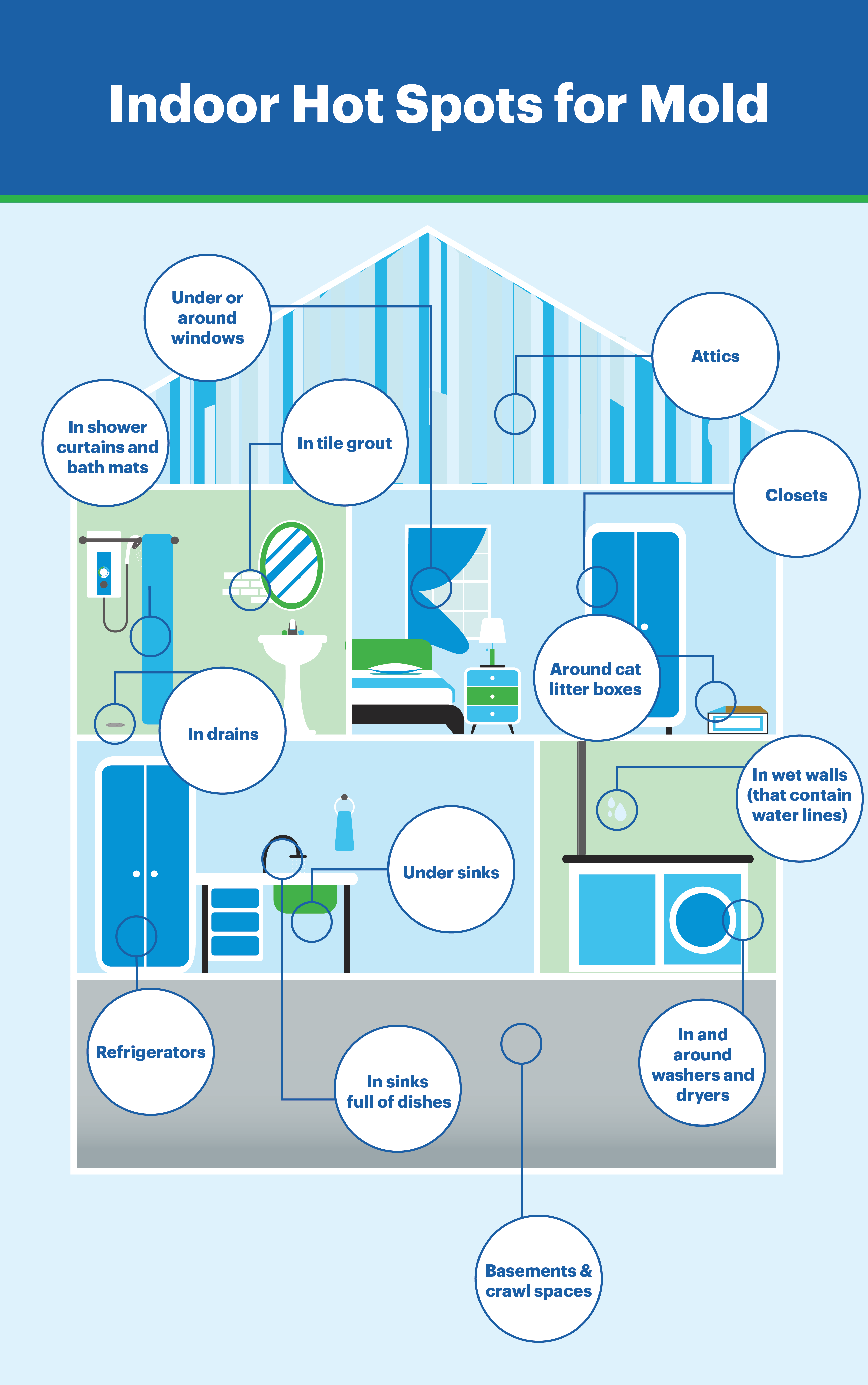
From real inspections, common hotspots include:
- HVAC air handlers and ductwork
- Behind drywall near plumbing
- Under sinks and cabinets
- Bathrooms with weak ventilation
- Closets and closed rooms with poor airflow
If allergies spike in specific rooms, that location clue is gold.
The Humidity Factor Most Homeowners Miss
Humidity isn’t just uncomfortable—it changes indoor air quality.
High humidity:
- Keeps spores airborne longer
- Helps dust mites thrive
- Traps musty odors
- Reduces HVAC dehumidification efficiency
If your home feels cool but still “sticky,” humidity is likely calling the shots.
HVAC Systems: Helper or Hidden Problem?
Your AC should help allergies by filtering air—but moisture flips the script.
Common HVAC-related allergy triggers we see:
- Condensation on coils feeding mold growth
- Clogged drain lines causing water buildup
- Damp duct interiors holding dust and spores
- Musty smells when the system turns on
Quick note: changing filters helps airflow, not mold growing inside the system. Different fix, different issue.
Mold Myths That Keep Allergies Around Longer
Myth 1: Bleach solves mold.
Bleach cleans surfaces but doesn’t penetrate porous materials—and it leaves moisture behind.
Myth 2: If I can’t see mold, it’s not there.
Hidden mold is common in Florida. Sight isn’t the test—moisture is.
Myth 3: It’s just Florida allergies.
Outdoor allergies exist, sure. But indoor patterns—especially room-specific symptoms—deserve a closer look.
When Mold Testing Helps (and When It Doesn’t)
Testing is a tool, not a cure.
Helpful when:
- Symptoms exist without visible mold
- Multiple rooms may be affected
- HVAC involvement is suspected
- Documentation is needed
Not helpful when:
- Visible mold and moisture sources are obvious
- Results won’t change the plan
IMO, inspection first—testing second—keeps things clear and cost-effective.
Practical Steps to Reduce Mold-Related Allergies
No extremes. Just consistency.
What actually helps:
- Keep indoor humidity below 55%
- Use bathroom and kitchen exhaust fans every time
- Maintain AC drain lines and coils
- Address musty odors promptly
- Don’t ignore condensation around vents or air handlers
Small steps add up fast.
When a Professional Inspection Makes Sense
You don’t need to panic—but clarity helps.
Consider an inspection if:
- Allergies worsen indoors
- Musty odors persist or return
- Past leaks or water damage occurred
- HVAC smells off when running
- Humidity stays high despite AC use
Inspections replace guessing with facts. That’s how problems stay manageable.
Final Thoughts: Comfort Improves When Moisture Is Managed
In Florida homes, mold and allergies usually share a root cause: moisture. Address the moisture, and air quality often improves right along with symptoms. Ignore it, and discomfort lingers.
If your home triggers allergies more than the outdoors, trust the pattern. Managing humidity, checking hidden areas, and acting early can make your home feel like a relief again—not a trigger.
