
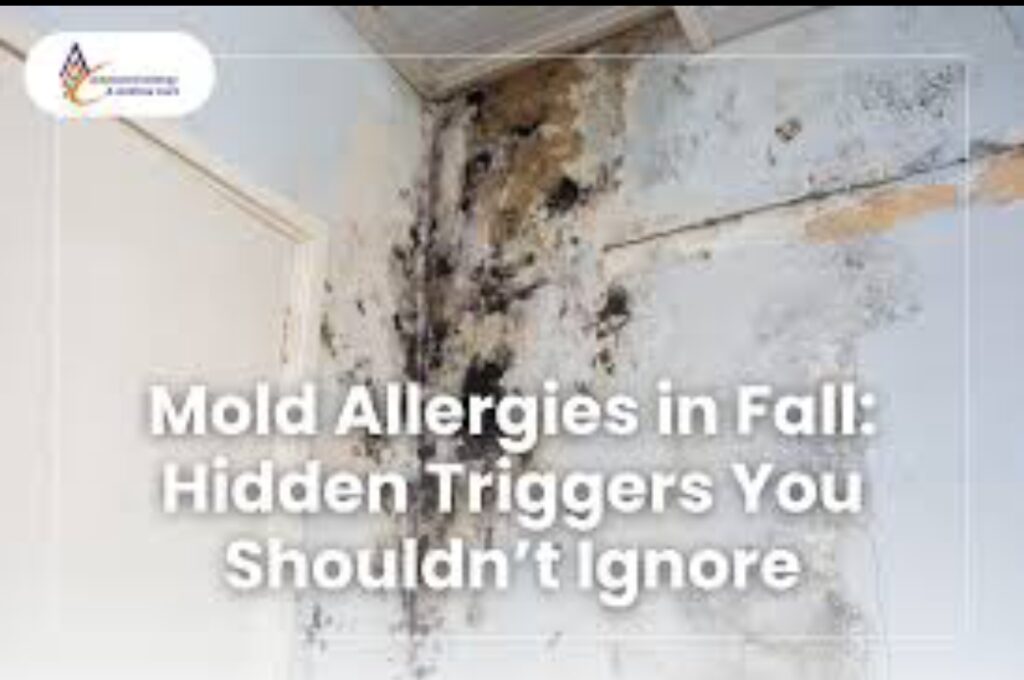
Mold and Allergies: What Homeowners Should Know – Lessons From Real Inspections for Homes in
If allergies seem worse at home than anywhere else, mold is often the missing piece. Across Florida homes, real inspections show the same pattern—people treat symptoms for months while mold quietly keeps triggering them indoors. It’s frustrating, expensive, and totally avoidable.
I’ve inspected homes where everything looked spotless, yet everyone felt miserable. Ever notice how symptoms ease up the moment you leave the house? That’s usually not a coincidence.
Mold Allergies Start With Daily Exposure
Mold Spores Don’t Give Your Body a Break
Mold releases microscopic spores into the air. When exposure happens every day, allergy symptoms don’t fade—they stack.
Common mold-related allergy symptoms include:
- Sneezing and nasal congestion
- Itchy or watery eyes
- Persistent coughing or throat irritation
- Asthma symptoms getting worse indoors
Rhetorical question time: if symptoms spike at home, shouldn’t the air itself be questioned?
What Inspections Reveal That Homeowners Miss
Mold Is Often Hidden, Not Obvious
Real inspections across Florida show that allergy-triggering mold usually hides where homeowners never look.
The most common hidden sources include:
- HVAC systems and ductwork
- Behind drywall after past leaks
- Under flooring and baseboards
- Closets and bathrooms with poor ventilation
IMO, invisible mold causes more allergy issues than visible mold ever does.
HVAC Systems Make Mold Allergies Worse
Airflow Spreads Exposure Everywhere
Once mold enters the HVAC system, spores circulate through every room. That means exposure happens every time the AC runs—which in Florida is… a lot.
Inspection findings often include:
- Mold on evaporator coils
- Contaminated duct insulation
- Moisture in air handlers
- Musty odors when the system turns on
FYI, this is why allergies often worsen when the AC kicks on.
Why “Clean Homes” Still Trigger Allergies
Clean Surfaces Don’t Mean Clean Air
Many Florida homeowners clean regularly and still struggle with allergies. Inspections explain why—surface cleaning doesn’t touch airborne mold.
DIY cleaning usually:
- Misses hidden growth
- Spreads spores during scrubbing
- Leaves moisture untouched
That’s why symptoms return even after everything looks clean.
Long-Term Mold Exposure Adds Up
Slow Symptoms Are Easy to Ignore
Mold allergies don’t always hit hard at first. Inspections often connect long-term exposure to symptoms people brushed off for months.
We frequently hear:
- “It’s just seasonal allergies”
- “It’s probably the AC”
- “It’s worse at night or in bedrooms”
Those patterns almost always point back to indoor mold exposure.
Why Mold Inspection and Testing Matter for Allergies
Guessing Costs More Than Knowing
Mold inspection identifies hidden growth affecting air quality. Mold testing confirms airborne spore levels and shows how widespread exposure really is.
A smart, inspection-based approach includes:
- Mold inspection to locate sources
- Mold testing to measure exposure
- Targeted mold removal of contaminated materials
- Full mold remediation to prevent continued exposure
When allergies drive the concern, data matters.
Florida Homes Face Higher Mold Allergy Risk
Climate Keeps Mold Active
Humidity and near year-round AC use keep moisture present in Florida homes. Mold doesn’t go dormant—it stays active.
Higher-risk homes often include:
- Older HVAC systems
- Previous water damage
- Poor ventilation
- Ongoing humidity issues
Across the state, inspections reveal the same allergy-triggering mold patterns again and again.
What Actually Helps Reduce Mold-Related Allergies
Fix the Source, Not Just the Symptoms
Treating allergies without addressing mold usually leads to repeat frustration.
What actually works:
- Regular mold inspections, especially if symptoms persist
- Mold testing when allergies worsen indoors
- Professional mold remediation instead of surface cleaning
- Moisture control through HVAC maintenance and ventilation
Why keep managing symptoms when you can remove the trigger?
Final Thoughts: Mold and Allergies Are Closely Linked in Florida Homes
Mold and allergies go hand in hand in Florida homes, especially when humidity and HVAC systems stay active year-round. Real inspections show that ignoring the connection always costs more—in comfort, health, and repairs.
When mold inspection, mold testing, mold removal, and mold remediation work together, indoor air improves, allergy symptoms ease up, and homes finally feel comfortable again 🙂
