
Mold and Allergies: What Homeowners Should Know – Lessons From Real Inspections for Homes in Plantation
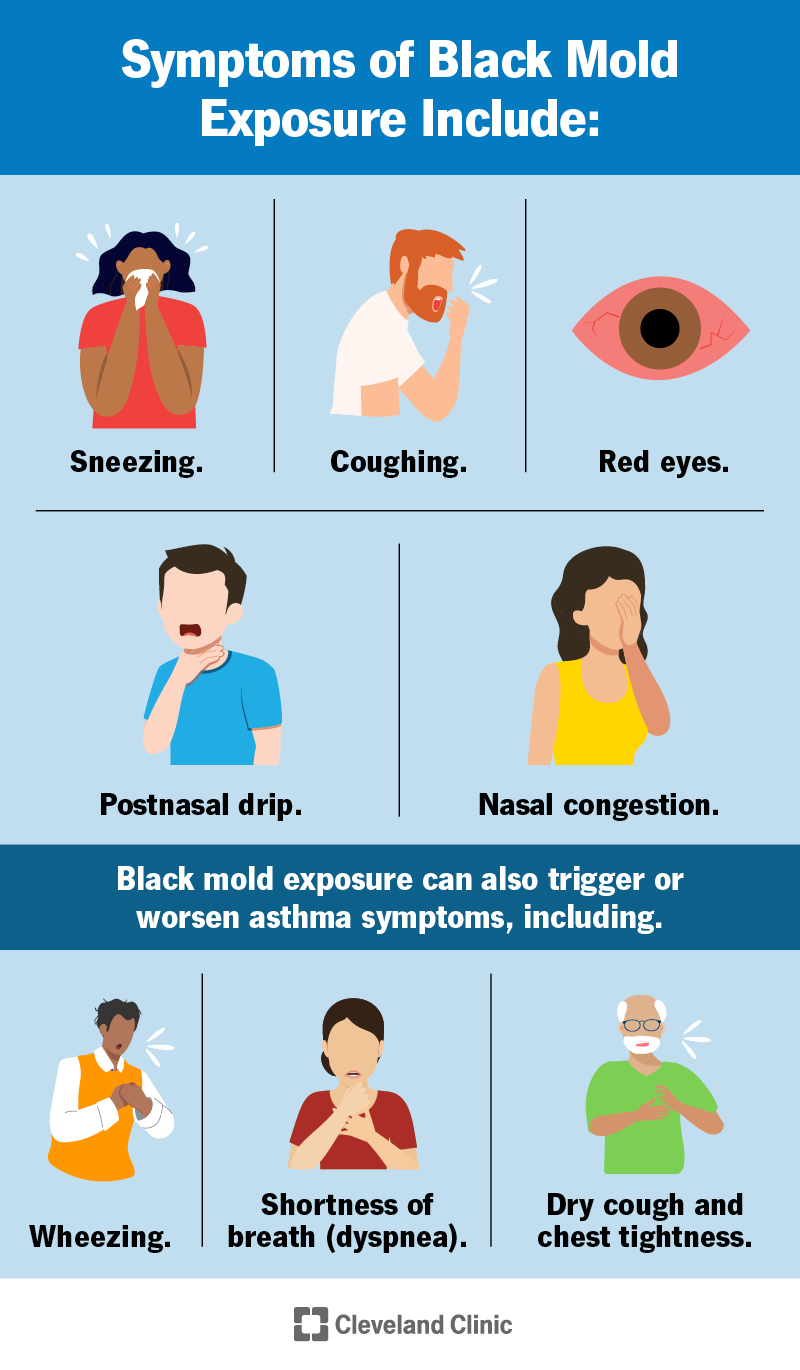
Many homeowners first start asking about mold because of allergies, not visible growth. Sneezing indoors, itchy eyes, congestion that clears up when you leave the house—after real inspections in homes across Plantation, this pattern shows up again and again.
This isn’t about panic or blaming mold for everything. It’s about understanding what inspections actually reveal when allergies and mold overlap.
Mold Doesn’t Have to Be Visible to Affect Allergies
One of the biggest misconceptions homeowners have is that mold has to be obvious to cause problems.
Real inspections often uncover:
- Mold hidden behind drywall or baseboards
- Growth inside HVAC air handlers or ductwork
- Damp insulation releasing spores into the air
- Mold in closets or spare rooms with poor airflow
Even small hidden areas can release spores that irritate sensitive people.
Why Allergies Often Feel Worse at Home
Homeowners in Plantation frequently report symptoms that:
- Worsen indoors
- Improve when leaving the house
- Flare up at night or in the morning
Inspections often trace this back to:
- HVAC systems circulating allergens
- Elevated indoor humidity
- Mold spores becoming airborne during AC cycles
The home environment matters more than most people realize.
Humidity Makes Allergy Symptoms Worse
From inspection data, humidity is a major factor—not just mold itself.
High indoor humidity:
- Helps mold grow
- Keeps spores airborne longer
- Encourages dust mites (another major allergen)
- Makes air feel heavy and irritating
In Plantation homes, humidity alone can amplify allergy symptoms even before mold becomes visible.
HVAC Systems Play a Bigger Role Than Expected
Many allergy-related inspections lead straight to the HVAC system.
Common findings include:
- Mold inside air handlers or drain pans
- Moisture buildup around evaporator coils
- Dirty or restricted filters
- Ductwork distributing allergens throughout the home
When the system has moisture issues, it doesn’t just cool the air—it spreads irritants.
Why Cleaning Doesn’t Always Help Allergies
Homeowners often clean thoroughly and still feel miserable.
Inspections show why:
- Cleaning surfaces doesn’t remove hidden mold
- Scrubbing can release more spores temporarily
- Moisture sources remain active
- HVAC systems continue circulating allergens
That’s why allergy symptoms often return quickly after DIY efforts.
Mold Isn’t the Only Trigger—but It’s a Common One
Not all allergies are caused by mold. Inspections frequently show multiple contributors:
- Mold spores
- Dust mites
- Pet dander
- Pollen entering through leaks or ducts
Mold often worsens existing sensitivities rather than creating new ones.
What Inspections Focus On When Allergies Are Involved
When allergies are the concern, inspectors focus on:
- Moisture levels inside walls and ceilings
- HVAC system cleanliness and drainage
- Hidden mold-prone areas
- Airflow and humidity patterns
The goal isn’t to label mold—it’s to understand what’s affecting indoor air.
What Actually Helps Reduce Allergy Issues Long-Term
Homes where allergy symptoms improve usually address:
- Moisture and humidity control
- Hidden mold sources
- HVAC drainage and airflow issues
- Proper filtration and maintenance
Once moisture is under control, allergen levels often drop noticeably.
The Real Takeaway for Plantation Homeowners
From real inspections in Plantation homes, the lesson is simple:
Allergy symptoms indoors are often a building condition issue, not just a personal health issue. Mold doesn’t have to be visible to matter, and cleaning alone rarely solves the problem.
Understanding moisture, airflow, and hidden growth turns allergy frustration into something manageable—and that’s where real relief usually starts.
