
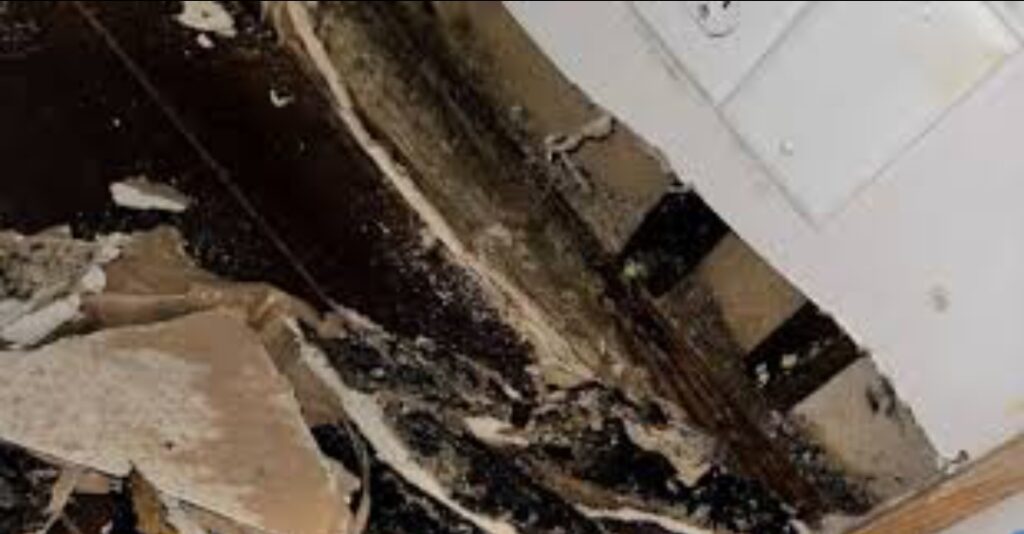
Mold and Allergies: What Homeowners Should Know – Practical Advice From Experts for Homes in Davie
If allergy symptoms seem to live in your house—worse indoors, better when you leave—you’re not imagining it. In Davie homes, experts see the same pattern again and again: mold doesn’t need to be obvious to aggravate allergies. It just needs moisture, time, and a way to circulate.
Here’s what professionals want homeowners to understand about mold and allergies—without scare tactics, and with practical steps that actually help.
Why Mold Triggers Allergies (Even When You Can’t See It)
Mold releases tiny spores and fragments into the air. You don’t need visible growth for those particles to circulate. Once airborne, they can irritate sensitive airways and trigger allergy-like reactions—especially with ongoing exposure.
Common triggers experts see:
- Elevated indoor humidity
- Hidden growth behind walls or under cabinets
- HVAC systems moving spores room to room
Bottom line: It’s the air—not the wall stain—that usually causes symptoms.
The Most Common Allergy Symptoms Tied to Mold
Inspectors don’t diagnose, but they hear the same complaints when mold is present in Davie homes:
- Sneezing, congestion, or sinus pressure indoors
- Itchy or watery eyes at home
- Persistent coughing or throat irritation
- Headaches or “brain fog” that improves outside
- Symptoms that spike when the AC runs
If symptoms consistently improve when you’re away, that pattern matters.
HVAC Systems Make Allergy Symptoms Worse
When mold is near the HVAC system, exposure becomes daily.
Why experts flag HVAC involvement:
- Air handlers and coils collect condensation
- Dust provides a food source
- Blowers distribute spores throughout the home
This is why allergy symptoms often feel “whole-house,” not limited to one room.
Hidden Mold = Ongoing Exposure
In Davie, mold commonly hides in places homeowners don’t check:
- Behind drywall after small leaks
- Under kitchen and bathroom cabinets
- Inside duct insulation
- Above ceilings and in attics
Hidden growth means longer exposure, which is why allergies can persist despite cleaning.
Humidity Is the Silent Aggravator
High humidity doesn’t just help mold grow—it keeps allergens airborne longer.
Experts aim for:
- 30–50% indoor humidity for comfort
- Above ~60% increases mold and dust mite activity
Homes can feel cool yet still be too humid, especially with oversized or poorly maintained AC systems.
What Cleaning Gets Wrong (And Why Symptoms Don’t Improve)
Surface cleaning helps appearance, but inspections often reveal:
- Mold roots left in porous materials
- Moisture sources still active
- HVAC components still damp
If moisture isn’t controlled, allergens return—sometimes faster.
Practical Steps Experts Recommend (That Actually Help)
No gimmicks. Just fundamentals that work:
- Control humidity with proper AC maintenance or dehumidification
- Fix leaks promptly—even slow ones
- Keep AC drain lines clear and filters changed
- Use bathroom and kitchen exhaust fans consistently
- Investigate musty odors early
- Consider inspection when symptoms track time spent at home
Small actions early beat big fixes later.
Real Risks vs Overblown Fears
Realistic concerns:
- Ongoing indoor exposure
- Gradual allergy aggravation
- Mold spreading quietly via airflow
Not supported by inspections:
- Instant illness from brief exposure
- Homes becoming immediately unsafe
- Every mold issue needing extreme remediation
It’s about duration and moisture, not panic.
The Davie Reality
Davie’s humidity, frequent rain, and year-round AC use create ideal conditions for mold-related allergy issues—even in clean, well-kept homes. Understanding how mold affects indoor air helps homeowners respond calmly and effectively.
Final Takeaway
Mold and allergies are closely linked in South Florida—not because mold is rare or dramatic, but because moisture sticks around. When homeowners focus on humidity control, HVAC health, and early investigation, allergy symptoms often become far more manageable.
If allergies worsen at home and ease elsewhere, trust the pattern. Address moisture first, and the air usually follows.
