
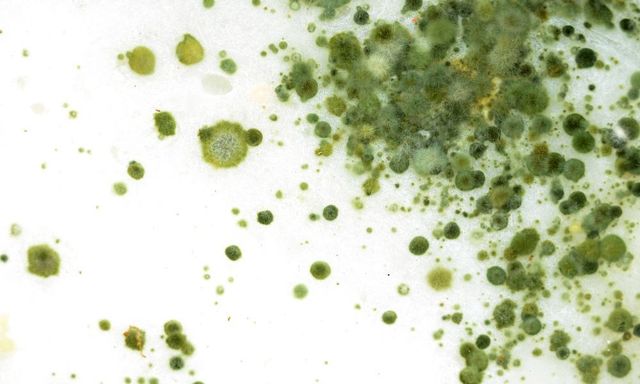
Mold and Allergies: What Homeowners Should Know – Practical Advice From Experts for Homes in Sunrise
Allergies feel normal in Florida. Sneezing, congestion, itchy eyes—most homeowners in Sunrise chalk it up to pollen, pets, or “just the weather.” That logic works until symptoms don’t shut off. When allergies follow you indoors and refuse to improve, mold often sits in the background quietly pulling the strings.
We see this scenario constantly during inspections. Homes look clean. No obvious mold patches. AC runs nonstop like it should. Yet people feel worse at home than anywhere else. Mold-related allergies don’t start dramatic. They build slowly through constant exposure. Here’s what homeowners actually need to understand—and what truly helps.
Why Mold and Allergies Show Up Together in Sunrise Homes
Mold doesn’t need to look bad to affect health. It just needs the right conditions.
Florida Conditions Increase Allergy Exposure
Homes in Sunrise deal with:
- High year-round humidity
- Warm temperatures
- Heavy AC use
- Slower indoor drying
These conditions allow mold spores to stay airborne longer. Even small, hidden growth can trigger ongoing allergy symptoms without ever becoming visible.
How Mold Triggers Allergy Symptoms
Mold affects people long before it affects property value.
What Happens When Mold Spores Circulate
Mold reproduces by releasing microscopic spores into the air. When people inhale them:
- The immune system reacts
- Inflammation develops
- Symptoms persist as long as exposure continues
For sensitive individuals, exposure doesn’t reset overnight. It compounds daily.
Common Allergy Symptoms Linked to Mold Exposure
Mold-related allergies rarely look extreme at first.
Symptoms Homeowners Often Overlook
We frequently hear about:
- Sneezing indoors
- Persistent nasal congestion
- Itchy or watery eyes
- Scratchy throat
- Mild coughing
Because symptoms feel manageable early on, people delay action. That delay allows exposure to continue quietly.
The Biggest Clue: Symptoms Improve Outside the Home
This pattern matters more than most people realize.
Why Location-Based Symptoms Point Indoors
When symptoms:
- Improve when leaving the house
- Return shortly after coming home
- Feel worse overnight or in the morning
An indoor trigger likely exists. In Sunrise homes, mold becomes a top suspect once outdoor allergens get ruled out.
Mold Doesn’t Need to Be Visible to Cause Allergies
This misconception delays proper investigation constantly.
Where Mold Commonly Hides
During inspections, we often find mold:
- Behind drywall
- Inside wall cavities
- Under flooring
- Inside HVAC systems
- In attics
Hidden mold releases spores just like visible growth. Allergy symptoms often appear long before mold becomes obvious.
HVAC Systems: Why Mold Allergies Feel Whole-House
This surprises most homeowners.
How HVAC Systems Spread Mold Spores
When mold grows inside:
- Air handlers
- Evaporator coils
- Duct liners
Spores circulate every time the AC runs. That turns exposure into a whole-house issue instead of symptoms tied to one room.
Why Allergy Medications Stop Working Indoors
This frustrates homeowners fast.
Medication Can’t Fix Ongoing Exposure
Allergy medications:
- Reduce symptoms
- Do not remove triggers
When mold exposure continues:
- Relief feels temporary
- Symptoms return quickly
- Dosages increase without lasting improvement
Stopping exposure matters more than managing reactions.
Mold and Asthma: A Bigger Risk for Some Homes
Some homeowners experience more than allergies.
Why Mold Worsens Breathing Issues
Long-term mold exposure can:
- Trigger asthma flare-ups
- Increase wheezing
- Cause chest tightness
- Reduce breathing comfort
Children, seniors, and people with asthma often react faster and more severely.
Why Sunrise Homes Face Higher Mold-Related Allergy Risk
Local conditions amplify exposure.
Sunrise-Specific Risk Factors
Homes here often deal with:
- Persistent humidity
- Heavy AC usage
- Tight construction trapping air
- Attics that retain moisture
These factors allow mold spores to circulate longer and more frequently indoors.
Mold Inspection: Turning Allergy Guessing Into Answers
Guessing keeps homeowners stuck. Inspection creates clarity.
What Mold Inspection Identifies
A proper inspection reveals:
- Hidden mold growth
- Moisture sources feeding mold
- HVAC contamination
- Areas contributing to airborne exposure
Inspection explains why symptoms persist instead of masking them.
Mold Testing: When Allergy Concerns Need Confirmation
Testing isn’t automatic, but it can help in the right situations.
When Mold Testing Makes Sense
Testing adds value when:
- Symptoms persist without visible mold
- HVAC contamination seems likely
- Indoor air quality concerns affect health
- Documentation matters
Testing confirms exposure. Inspection explains the cause.
Mold Removal vs Mold Remediation: Why Allergies Depend on the Difference
This misunderstanding keeps symptoms going.
Why Mold Removal Alone Often Fails
Removal without remediation:
- Leaves spores behind
- Ignores moisture sources
- Allows continued exposure
Mold Remediation Reduces Allergy Triggers
Proper remediation includes:
- Containment to prevent spore spread
- HEPA air filtration
- Removal of contaminated materials
- Moisture correction
- Preventive treatments
When exposure stops, symptoms often improve noticeably.
Moisture Control: The Allergy Step Homeowners Miss
Mold survives because moisture allows it.
Common Moisture Sources in Sunrise Homes
We frequently trace mold-related allergies to:
- AC condensation problems
- Poor ventilation
- Slow plumbing leaks
- High indoor humidity
Fixing moisture prevents mold from continuously releasing spores.
DIY Mold Cleanup and Allergy Risks
Many homeowners try to clean mold themselves. That often backfires.
Why DIY Cleanup Makes Allergies Worse
Scrubbing mold without containment:
- Releases spores into the air
- Increases inhalation exposure
- Spreads contamination
We often hear symptoms worsened after cleaning. That outcome isn’t coincidence.
The Real Cost of Ignoring Mold-Related Allergies
Health symptoms create financial strain too.
What Delayed Action Leads To
Ignoring mold-related allergies often results in:
- Ongoing medical visits
- Increased medication use
- Larger mold remediation projects
- HVAC contamination
- Reduced property value
Early action usually costs less than long-term exposure.
Early Warning Signs Homeowners Shouldn’t Ignore
Patterns matter more than single symptoms.
Watch for:
- Symptoms improving outside the home
- Mold returning after cleaning
- Musty odors that come and go
- Dust building up quickly
- Persistent indoor humidity
These signs rarely appear alone.
Practical Advice From Experts That Actually Works
You don’t need panic. You need direction.
Smart Next Steps
- Track when symptoms appear
- Address moisture immediately
- Schedule a professional mold inspection
- Evaluate HVAC systems
- Avoid surface-only fixes
Each step reduces exposure and improves comfort.
Final Thoughts: Mold and Allergies Are an Indoor Air Problem
Mold-related allergies don’t announce themselves loudly. They build quietly through constant exposure. For homeowners in Sunrise, understanding that connection changes outcomes.
When mold exposure stops, many people notice improvement faster than expected. Congestion eases. Breathing feels lighter. Medications work again—or become unnecessary. Clean air starts by fixing what’s actually circulating inside the home, not by guessing or waiting it out.
