
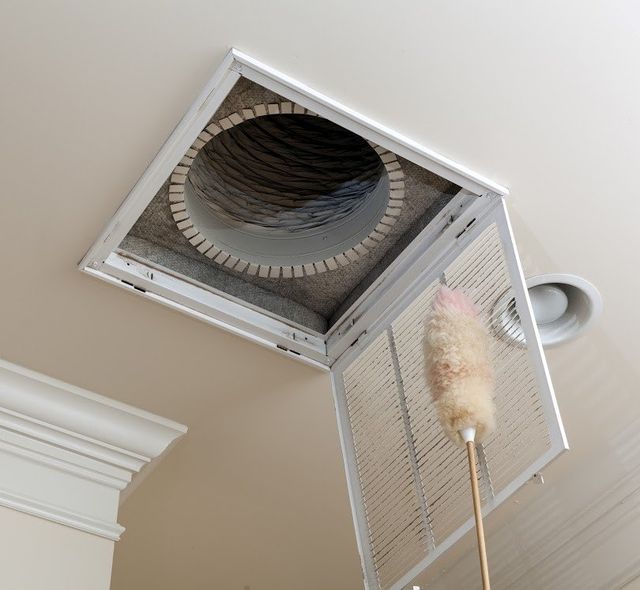
Mold and Allergies: What Homeowners Should Know – Real Risks, Not Fear Tactics for Homes in Broward County, Florida
In Broward County, allergies are part of daily life for many homeowners. Pollen, humidity, dust—Florida delivers it all. But one trigger is often misunderstood, overstated by some, and completely ignored by others: mold.
This article is about real risks, not fear tactics. Mold doesn’t make every home dangerous, and it doesn’t affect everyone the same way. But when mold is present indoors—especially long-term—it can worsen allergies and respiratory symptoms in very real, very practical ways.
Let’s break down what homeowners in Broward County actually need to know.
Why Mold and Allergies Are Linked (Simply Explained)
Mold reproduces by releasing microscopic spores into the air. These spores are everywhere—inside and outside. The issue isn’t their existence; it’s concentration and exposure.
When mold grows indoors:
- Spore levels increase
- Air quality declines
- Sensitive individuals react
For people with allergies, asthma, or respiratory sensitivity, mold spores can act like a constant allergen source, especially when HVAC systems circulate them throughout the home.
Why Broward County Homes Are High Risk for Mold-Related Allergies
Broward County creates near-perfect mold conditions:
- High year-round humidity
- Heavy rainfall and storms
- Homes sealed tight for AC efficiency
- HVAC systems running most of the year
- Condensation forming inside ducts and air handlers
Mold doesn’t need flooding. Humidity, slow leaks, and condensation cause most indoor mold problems here.
Common Allergy Symptoms Linked to Indoor Mold
Mold exposure doesn’t cause the same symptoms for everyone, but homeowners commonly report:
- Sneezing or coughing indoors
- Nasal congestion that never clears
- Sinus pressure or headaches
- Itchy eyes or throat
- Fatigue at home
- Worsening asthma symptoms
A key clue experts listen for:
“I feel better when I leave the house.”
That pattern often points toward indoor air quality, not outdoor pollen alone.
What Mold Does Not Do (No Scare Stories)
Let’s clear up some exaggerations.
Mold does NOT:
- Instantly make a home “toxic”
- Affect everyone equally
- Cause serious illness in every case
- Mean you must evacuate immediately
Most mold-related allergy issues are chronic, not dramatic. Symptoms build slowly, which is why they’re often dismissed or misdiagnosed.
How Mold Exposure Actually Triggers Allergies
From a biological standpoint:
- Mold spores enter the air
- Spores are inhaled
- The immune system reacts
- Inflammation causes symptoms
For allergy sufferers, the immune system treats mold spores like pollen or dust—overreacting to a constant trigger.
In Broward homes, HVAC systems can turn one mold source into a whole-house exposure.
Hidden Mold = Hidden Allergy Triggers
One reason mold-related allergies are missed is because the mold is often out of sight.
Common hidden sources include:
- Inside air ducts
- In AC air handlers
- Behind bathroom walls
- Under kitchen sinks
- Beneath flooring after small leaks
- Inside closets with poor airflow
You don’t need visible mold on walls for exposure to occur.
Mold vs Seasonal Allergies: How to Tell the Difference
Here’s a practical comparison homeowners find helpful:
More likely mold-related if:
- Symptoms happen year-round
- Symptoms worsen indoors
- Smells are musty or damp
- Symptoms increase after rain
- AC use makes symptoms worse
More likely seasonal if:
- Symptoms follow pollen seasons
- Symptoms improve indoors
- No odors or moisture issues exist
Many Broward County homeowners experience both, which makes mold easy to overlook.
HVAC Systems and Allergy Symptoms
HVAC systems don’t create mold—but they spread it efficiently.
When mold grows inside:
- Air handlers
- Ductwork
- Drain pans or coils
Spores circulate every time the system runs. This is why allergy symptoms can feel constant and house-wide, even when mold growth is localized.
Common Myths That Delay Real Solutions
Myth #1: “If I Can’t See Mold, It’s Not Causing Allergies”
Fact: Airborne spores cause symptoms—visible growth is not required.
Myth #2: “Bleach Fixes Mold Allergy Issues”
Fact: Bleach removes surface stains, not airborne spores or moisture problems.
Myth #3: “Newer Homes Don’t Have Mold”
Fact: Tightly sealed homes can trap humidity, sometimes increasing mold risk.
What Experts Recommend (Without Fear Tactics)
If allergy symptoms persist indoors, experts suggest:
- Paying attention to odors and humidity
- Checking HVAC systems for moisture issues
- Avoiding DIY disturbance of suspected mold
- Addressing leaks immediately
- Considering professional inspection when symptoms don’t improve
The goal is information and control, not panic.
Why Early Action Matters for Allergy Sufferers
Ignoring indoor mold can lead to:
- Long-term symptom aggravation
- Declining indoor air quality
- Mold spreading to additional areas
- Higher remediation costs later
Early action often means smaller, targeted solutions—not major projects.
Practical Prevention Tips for Broward County Homes
Homeowners can reduce mold-related allergy risks by:
- Keeping indoor humidity below 60%
- Using bathroom and kitchen exhaust fans
- Maintaining AC drain lines
- Fixing leaks quickly
- Improving airflow in closets and bathrooms
- Scheduling periodic HVAC inspections
Prevention works when moisture is controlled consistently.
Final Thoughts: Awareness Beats Fear Every Time
Mold and allergies are connected—but not in the dramatic, frightening way the internet often suggests. In Broward County homes, mold-related allergy issues are usually slow-building, manageable, and preventable when homeowners know what to look for.
If symptoms worsen indoors, odors linger, or humidity feels out of control, those signals are worth paying attention to. Not because of fear—but because informed action protects comfort, health, and the home itself.
