
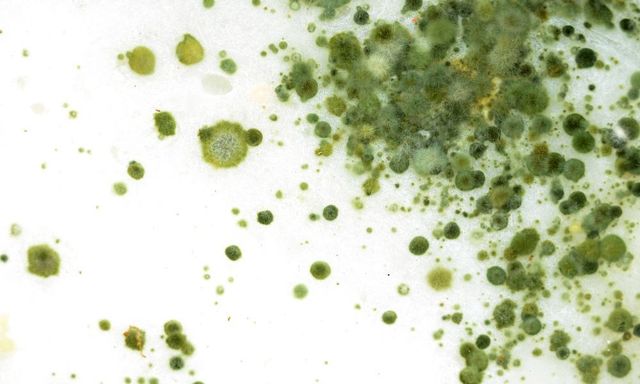
Mold and Allergies: What Homeowners Should Know – Real Risks, Not Fear Tactics for Homes in Fort Lauderdale
Allergies can feel random. One day you’re fine, the next day you’re congested, tired, and blaming pollen, dust, or “just Florida.” In Fort Lauderdale, we inspect many homes where allergy symptoms linger year-round, regardless of season. The common thread usually isn’t outdoors at all. It’s mold quietly affecting indoor air.
This article explains how mold and allergies actually connect in Fort Lauderdale homes, focusing on real risks—not fear tactics—and what homeowners should realistically understand based on what inspections consistently show.
Why Mold and Allergies Get Confused in Fort Lauderdale Homes
Living in Fort Lauderdale means humidity stays high and air conditioning runs almost nonstop. Those conditions don’t just affect comfort. They influence what circulates in the air inside your home.
Many homeowners assume:
- Allergies always come from outside
- Mold only matters if it’s visible
- Air filters handle most air quality problems
Inspections routinely challenge all three assumptions.
How Mold Triggers Allergy Symptoms Over Time
Mold releases spores and microscopic fragments into the air. When inhaled regularly, those particles irritate the immune system, especially in people with sensitivities, asthma, or chronic sinus issues.
Common mold-related allergy symptoms include:
- Nasal congestion or sneezing
- Itchy or watery eyes
- Throat irritation or coughing
- Headaches or sinus pressure
Symptoms often worsen indoors and improve when people leave the house. That pattern matters.
Why Mold Allergies Feel Inconsistent
One reason mold allergies get dismissed involves how unpredictable they feel. Some days feel manageable. Other days feel miserable. That inconsistency leads homeowners to blame weather, stress, or random triggers.
What inspections reveal instead:
- HVAC systems circulate spores unevenly
- Humidity spikes increase mold activity
- AC cycles change exposure levels
- Mold growth releases spores intermittently
Mold allergies don’t behave like seasonal pollen allergies. They fluctuate with indoor conditions.
Hidden Mold Causes the Most Lingering Symptoms
Visible mold tends to get cleaned quickly. Hidden mold causes the longest exposure because it goes unnoticed. In Fort Lauderdale homes, hidden mold often affects air quality long before anyone sees it.
We frequently find hidden mold:
- Behind bathroom walls
- Under kitchen sinks
- Inside HVAC air handlers
- Within duct insulation
Homeowners clean surfaces while exposure continues from places they never check.
HVAC Systems: The Allergy Multiplier
HVAC systems play a major role in mold-related allergies. Once mold grows inside air handlers or ductwork, spores circulate every time the system runs.
Inspection findings often include:
- Mold on evaporator coils
- Damp internal insulation
- Contaminated drain pans
- Elevated spores near supply vents
That constant circulation turns a localized mold issue into a whole-home exposure problem.
Mold Inspection: The First Step Toward Real Answers
A proper mold inspection focuses on moisture, airflow, and hidden growth—not just visible spots. Inspections often explain allergy symptoms that never made sense before.
During inspections, we evaluate:
- Indoor humidity levels
- Moisture inside walls
- HVAC systems and ductwork
- Areas with past water intrusion
Treating symptoms without identifying mold sources rarely leads to lasting relief.
When Mold Testing Helps Allergy Concerns
Not every home needs mold testing, but testing becomes useful when allergy symptoms persist without visible mold. Air samples often reveal elevated spore levels even in clean-looking homes.
Testing helps when:
- Symptoms worsen indoors
- Odors exist without visible growth
- Mold keeps returning
- Documentation matters for medical or real estate reasons
Testing replaces guesswork with measurable evidence.
Mold vs. Other Indoor Allergens
Mold allergies often overlap with dust or pet allergies, which complicates diagnosis. Mold stands out because symptoms strongly correlate with humidity and HVAC operation.
Signs mold plays a role include:
- Symptoms worsening when AC runs
- Relief during travel or time away
- Persistent musty or stale air
- Allergy issues year-round
These patterns help separate mold from other triggers.
Why Fort Lauderdale Homes Face Higher Allergy Risk
Homes throughout Broward County face mold pressure, but Fort Lauderdale adds coastal humidity and near-constant AC use. Homes rarely dry naturally here.
We commonly encounter:
- Elevated indoor humidity
- Continuous HVAC cycling
- Limited fresh air exchange
- Aging insulation and duct materials
These conditions allow mold exposure to stay consistent, not seasonal.
Mold Removal and Allergy Relief: What Actually Works
Mold removal reduces exposure by eliminating contaminated materials. Homeowners often notice symptom improvement once removal happens properly.
Effective removal includes:
- Containment to prevent spore spread
- HEPA filtration
- Removal of affected materials
- Detailed cleaning of impacted areas
Surface cleaning alone rarely produces lasting allergy relief.
Mold Remediation: Preventing Symptoms From Returning
This step determines whether allergy symptoms come back. Mold remediation corrects moisture and airflow issues that allowed mold to grow.
Remediation typically focuses on:
- Fixing moisture sources
- Improving HVAC performance
- Reducing indoor humidity
- Verifying dry conditions
Without remediation, exposure often returns even after cleanup.
Why DIY Mold Cleaning Often Makes Allergies Worse
Many homeowners try DIY cleaning to relieve symptoms. Unfortunately, scrubbing mold without containment often increases airborne spores.
DIY approaches fail because:
- Spores get released into the air
- Hidden mold stays active
- Moisture problems remain
- HVAC systems redistribute particles
We regularly hear homeowners say symptoms worsened after cleaning. That outcome isn’t unusual.
Health Effects Beyond Typical Allergies
Long-term mold exposure doesn’t stop at sneezing. Some homeowners experience broader health effects over time.
Reported issues include:
- Chronic sinus infections
- Fatigue or brain fog
- Poor sleep quality
- Worsening asthma control
These effects often improve once exposure ends.
Children, Seniors, and Mold Sensitivity
Some household members react more strongly to mold exposure. Children, seniors, and people with asthma or weakened immune systems face higher risk.
In sensitive individuals, mold exposure may contribute to:
- Frequent respiratory illness
- Sleep disturbances
- Increased allergy severity
- Slower recovery from infections
Early detection matters most for vulnerable groups.
How Long Allergy Relief Takes After Remediation
Many homeowners ask how quickly symptoms improve after remediation. Timelines vary, but improvements often begin sooner than expected.
Common patterns include:
- Reduced odors within days
- Gradual symptom improvement over weeks
- Better sleep and breathing as air stabilizes
HVAC remediation often accelerates improvement.
Preventing Mold-Related Allergies Long-Term
Prevention doesn’t require perfection. It requires consistency.
Effective prevention includes:
- Managing indoor humidity
- Maintaining HVAC systems
- Addressing leaks immediately
- Using exhaust fans properly
Small steps significantly reduce exposure risk over time.
Final Thoughts: Mold Allergies Are an Indoor Air Issue
Many allergy problems in Fort Lauderdale homes don’t start outdoors. They start with mold hiding inside walls, HVAC systems, and damp materials. The risk isn’t dramatic, but it is real—and it builds quietly over time.
The solution stays consistent: thorough mold inspection, targeted mold testing, proper mold removal, and complete mold remediation. Address the source, and allergy symptoms often follow the fix.
If allergy symptoms improve when you leave your Fort Lauderdale home or seem worse indoors for no clear reason, don’t brush that off. Mold doesn’t rely on fear tactics to matter. It relies on moisture and time—and addressing it early protects both health and long-term home comfort.
