
Mold and Allergies: What Homeowners Should Know – What Most People Get Wrong for Homes in
Mold and allergies are often linked together in conversations among homeowners in Deerfield Beach, but much of what people believe about this connection is either incomplete or simply wrong. Some assume mold only affects people with severe allergies, while others believe any mold exposure is immediately dangerous. The truth lies somewhere in between.
Mold can impact indoor air quality and comfort, but not everyone reacts the same way. Understanding how mold interacts with the indoor environment—and what most people misunderstand about mold and allergies—helps homeowners make informed decisions without unnecessary fear.
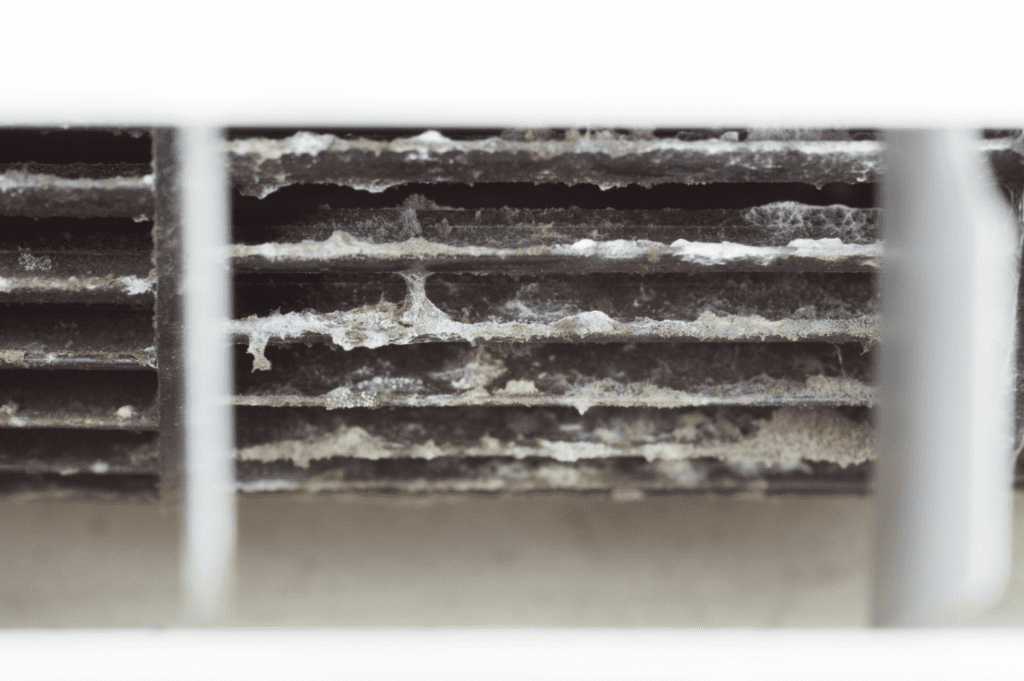
How Mold Interacts With Indoor Air
Mold reproduces by releasing spores into the air. These spores are microscopic and easily carried through a home by normal airflow, especially through HVAC systems. In Deerfield Beach homes, where air conditioning runs frequently, mold spores can circulate from one room to another without being noticed.
Indoor air that contains elevated mold spores may feel different, even if it looks clean. This is why many homeowners first notice mold-related issues through changes in comfort rather than visible growth.
What Most People Get Wrong About Mold and Allergies
One of the biggest misconceptions is that mold only affects people who already have allergies. In reality, mold exposure can irritate the respiratory system even in individuals without diagnosed allergies, especially when exposure is ongoing.
Other common misunderstandings include:
- Believing mold is harmless if it isn’t visible
- Assuming allergies must be severe to be mold-related
- Thinking occasional cleaning eliminates exposure
- Believing symptoms are always immediate
Mold-related reactions can be subtle and develop gradually over time.
Common Allergy-Like Symptoms Linked to Mold Exposure
While reactions vary from person to person, some homeowners in Deerfield Beach report symptoms that seem to worsen indoors, including:
- Sneezing or nasal congestion
- Itchy or irritated eyes
- Throat irritation
- Headaches or fatigue
- A general feeling of discomfort at home
These symptoms often improve when occupants leave the house, which can be an early indicator of indoor air quality issues.
Why Mold Reactions Are Not the Same for Everyone
Not everyone exposed to mold will experience symptoms. Sensitivity depends on factors such as:
- Individual immune response
- Duration of exposure
- Mold concentration
- Indoor ventilation and airflow
This is why one person in a household may feel affected while others do not. The absence of symptoms does not necessarily mean mold isn’t present.
Hidden Mold Plays a Bigger Role Than Visible Mold
One of the most overlooked issues in mold-related allergy concerns is hidden mold. Mold frequently grows in places that are out of sight, including:
- Behind drywall
- Under sinks
- Inside wall cavities
- Around HVAC components
Hidden mold can release spores into the air without obvious visual signs, making it harder to connect symptoms to the source.
The Role of Moisture in Mold and Allergy Concerns
Mold cannot grow without moisture. In Deerfield Beach homes, common moisture sources include:
- High indoor humidity
- AC condensation
- Plumbing leaks
- Roof or window intrusion
When moisture remains unchecked, mold growth continues and spore levels can increase, affecting indoor air quality over time.
Why Cleaning Alone Doesn’t Reduce Allergy Triggers
Many homeowners attempt to manage mold-related discomfort by cleaning visible areas more frequently. While cleanliness is important, it does not address mold growing inside porous materials or hidden spaces.
Cleaning alone fails because:
- Mold roots remain inside materials
- Spores continue circulating in the air
- Moisture sources remain active
This often explains why symptoms persist even in homes that appear clean.
When Mold Testing and Inspection Can Help
Professional inspection helps determine whether mold may be contributing to indoor air quality concerns. Inspections focus on identifying moisture issues, hidden growth, and conditions that support mold development.
Mold testing may be useful in situations such as:
- Ongoing allergy-like symptoms indoors
- Persistent musty odors
- Past water damage
- Uncertainty about hidden mold
Testing provides data that supports informed decisions rather than assumptions.
Why Fear-Based Information Isn’t Helpful
Mold discussions are often filled with extreme claims that cause unnecessary stress. Inspection data shows that while mold should be addressed, panic rarely leads to better outcomes.
A balanced approach focuses on:
- Identifying actual conditions
- Addressing moisture sources
- Improving indoor air quality
- Taking appropriate action when needed
This approach protects both health and property without exaggeration.
Steps Homeowners Can Take to Reduce Risk
Reducing mold-related allergy concerns starts with controlling moisture and maintaining good airflow. Practical steps include:
- Managing indoor humidity
- Addressing leaks promptly
- Maintaining HVAC systems
- Improving ventilation in bathrooms and kitchens
These measures help limit mold growth and improve indoor air conditions.
Mold & Indoor Air Quality Services in Deerfield Beach
Homes in Deerfield Beach face unique challenges due to humidity and coastal conditions. Professional inspection helps homeowners understand whether mold may be affecting indoor air quality and what steps are appropriate.
We provide:
- Mold inspections
- Mold testing when appropriate
- Moisture detection
- Indoor air quality evaluations
- Clear, practical recommendations
