
Mold and Allergies: What Homeowners Should Know – What We See Inside Homes in Broward County
Allergies don’t always start outdoors. In Broward County homes, we regularly see allergy symptoms tied directly to what’s happening inside the house. Sneezing, congestion, itchy eyes, headaches—many homeowners assume pollen or seasonal changes cause these issues. In reality, hidden mold inside the home often plays a much bigger role than people realize.
From real inspections across Broward County, one pattern keeps showing up. Homes that look clean on the surface can still circulate mold spores through the air every day. Let’s talk about how mold and allergies connect, what inspections actually reveal, and why so many homeowners struggle with symptoms that never fully go away.
Mold and Allergies Share a Direct Connection
Mold releases spores and microscopic fragments into the air continuously. When people breathe that air, the body reacts—even if mold isn’t visible.
Common allergy symptoms linked to mold exposure include:
- Sneezing and nasal congestion
- Itchy or watery eyes
- Persistent coughing or throat irritation
- Headaches or sinus pressure
These symptoms often feel worse indoors and ease when homeowners leave the house, which is a major clue.
Why Mold Allergies Feel Constant Instead of Seasonal
Outdoor allergies come and go. Mold-related allergies don’t follow the same pattern.
In Broward County homes, mold exposure continues because:
- Mold grows year-round due to humidity
- HVAC systems circulate spores daily
- Hidden mold stays active behind walls
That constant exposure explains why symptoms never fully disappear.
What Real Inspections Show Inside Broward County Homes
Mold Rarely Stays in Plain Sight
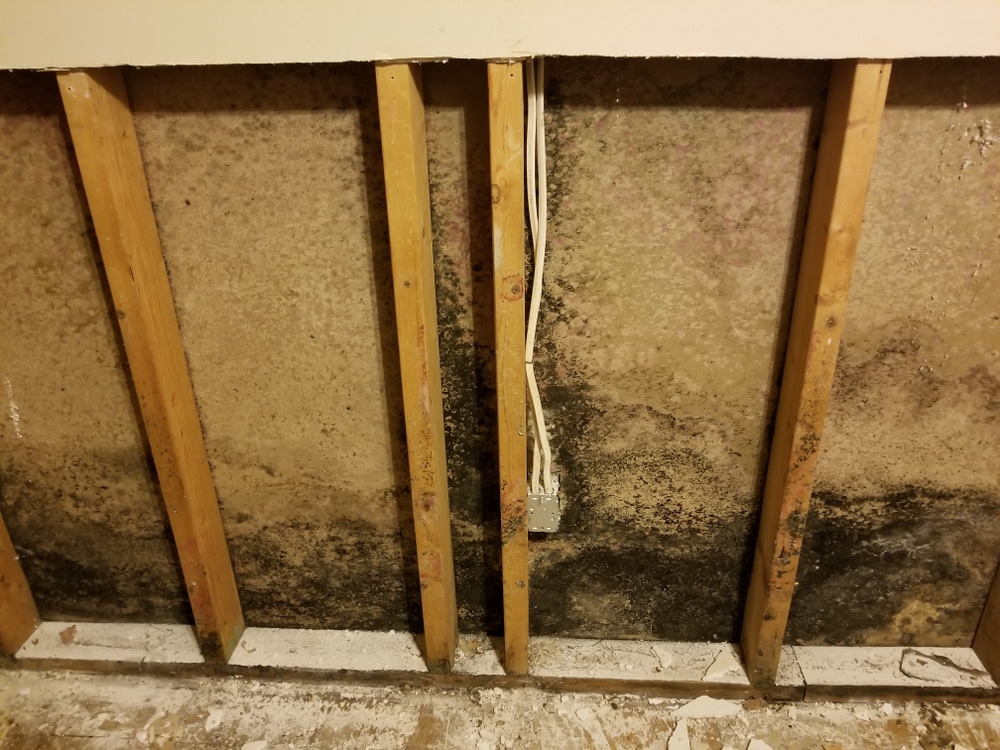
During inspections, visible mold represents only a small part of the problem. Most growth hides in places homeowners never see.
We commonly find mold:
- Behind bathroom and kitchen walls
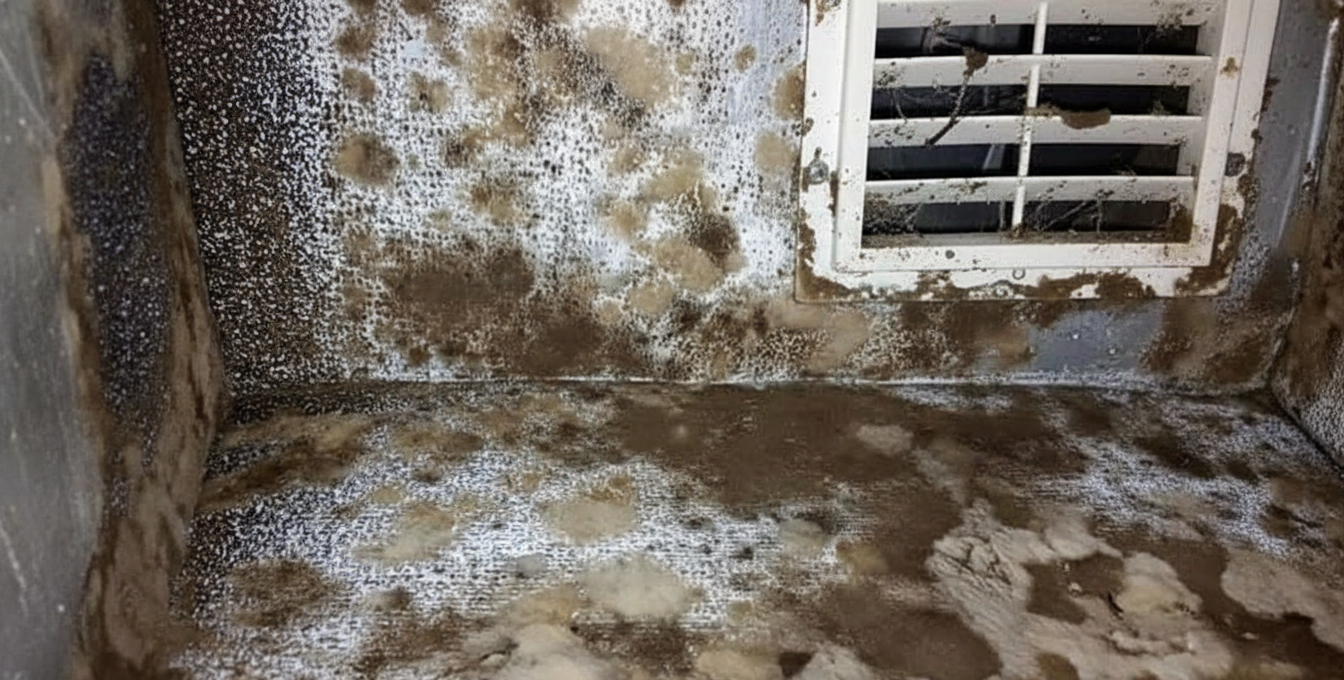
- Inside HVAC systems and return vents
- Above ceilings or inside insulation
Homeowners feel symptoms long before they ever spot mold.
HVAC Systems Turn Mold Into an Air Quality Issue
Mold Travels Through the Air
In Broward County, AC systems run most of the year. When mold grows inside ductwork or air handlers, airflow spreads spores throughout the home.
Inspection findings often include:
- Mold inside supply and return ducts
- Contamination near evaporator coils
- Spores distributed into multiple rooms
That circulation explains why allergy symptoms affect the whole household.
Why Children and Seniors React More Strongly
Mold allergies don’t impact everyone the same way. Inspections often coincide with reports of symptoms affecting certain family members more than others.
Higher-risk groups include:
- Children with developing immune systems
- Seniors with respiratory sensitivities
- People with asthma or existing allergies
When one person struggles more than others, mold exposure often explains the difference.
Hidden Mold Causes Long-Term Allergy Issues
Surface mold gets attention quickly. Hidden mold quietly causes ongoing exposure.
Hidden growth often exists:
- Inside wall cavities
- Under flooring
- Behind cabinets
- Inside duct insulation
Even small hidden areas release enough spores to trigger chronic allergy symptoms.
Why DIY Cleaning Doesn’t Help Allergy Symptoms
DIY mold cleaning focuses on appearance, not air quality. Allergy symptoms usually continue after cleaning.
DIY methods fail because they:
- Don’t address mold inside HVAC systems
- Leave hidden mold untouched
- Ignore moisture sources
As long as spores circulate through the air, allergy symptoms remain.
Moisture Is the Real Driver Behind Mold Allergies
Mold can’t grow without moisture. Inspections consistently trace mold-related allergies back to moisture problems.
Common moisture sources include:
- Plumbing leaks
- Roof leaks during storms
- AC condensation issues
- High indoor humidity
Until moisture gets controlled, mold exposure continues.
Why Broward County Homes Face Higher Allergy Risk
Broward County’s climate creates ideal mold conditions year-round.
Contributing factors include:
- High humidity levels
- Frequent rain and storms
- Heavy air conditioning use
- Older construction in some neighborhoods
These conditions allow mold to grow quietly while affecting indoor air quality continuously.
Air Testing Often Confirms What Symptoms Suggest
During inspections, air testing frequently supports what homeowners already feel.
Air samples often show:
- Elevated mold spore counts
- Spores circulating throughout the home
- Mold present even when not visible
This data helps explain why symptoms persist despite cleaning.
Mold Allergies Often Mimic Other Conditions
Mold-related symptoms often get mistaken for colds, sinus infections, or seasonal allergies.
Homeowners commonly report:
- Symptoms improving temporarily with medication
- Problems returning indoors
- No clear seasonal pattern
When symptoms don’t make sense, indoor mold often fills the gap.
What Proper Mold Remediation Changes for Allergies
Real remediation focuses on stopping exposure, not just removing visible mold.
Effective remediation includes:
- Removing active mold growth
- Eliminating moisture sources
- Cleaning and treating HVAC systems
- Improving indoor air quality
When mold stops circulating through the air, allergy symptoms often improve noticeably.
Lessons From Real Inspections Across Broward County
From real inspections, one lesson stands out clearly. Allergy symptoms often trace back to hidden mold, not outdoor conditions.
Homes with unresolved mold issues consistently show:
- Poor indoor air quality
- Ongoing allergy complaints
- Mold growth tied to moisture problems
Once mold gets addressed properly, many homeowners feel relief they hadn’t experienced in years.
Preventing Mold-Related Allergies Going Forward
Prevention focuses on moisture control and awareness.
Helpful steps include:
- Monitoring indoor humidity
- Addressing leaks quickly
- Maintaining HVAC systems properly
When moisture stays under control, mold struggles to grow.
Final Thoughts: Allergies Often Start at Home
Allergies don’t always come from outside. In Broward County homes, real inspections show how often mold contributes to ongoing symptoms.
If allergy problems never seem to fully go away, it’s worth looking inward. The air inside your home may be affecting you more than the air outside.
Understanding that connection gives homeowners the clarity they’ve been missing—and the opportunity to finally breathe easier.
