
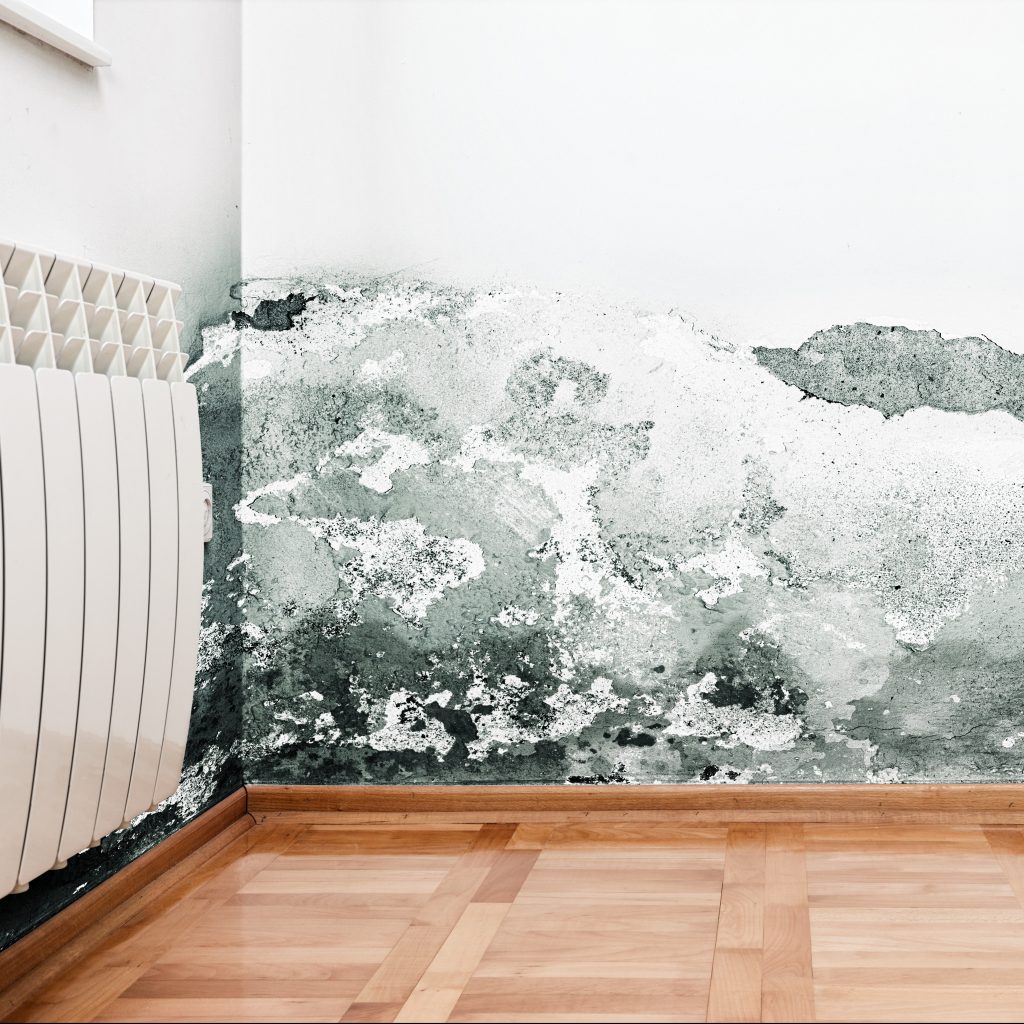


Mold and Allergies: What Homeowners Should Know – What We See Inside Homes in Broward County
If you live in Broward County and deal with constant sneezing, itchy eyes, or allergy flare-ups at home, mold may be the real culprit. South Florida’s heat and humidity create perfect conditions for mold growth, and many homeowners don’t realize how closely mold and allergies are connected until symptoms refuse to go away.
After inspecting countless homes across Fort Lauderdale, Hollywood, Plantation, Davie, Sunrise, Coral Springs, and surrounding areas, one thing becomes clear: mold-related allergies are far more common than most people think.
Why Mold Triggers Allergies So Easily in South Florida Homes
Mold releases microscopic spores into the air. When you breathe those spores in, your immune system may react—especially if you’re sensitive or already prone to allergies.
In Broward County homes, this problem intensifies because:
- High humidity exists year-round
- Air conditioning runs almost constantly
- Moisture often hides behind walls, under floors, and inside HVAC systems
Once mold starts growing indoors, spores circulate every time the AC turns on.
Allergy Symptoms We Commonly See Linked to Mold Exposure
Many homeowners assume they have seasonal allergies, but indoor mold often causes symptoms that feel constant rather than occasional.
Common mold-related allergy symptoms include:
- Sneezing and nasal congestion
- Chronic coughing or throat irritation
- Itchy, watery, or burning eyes
- Skin rashes or unexplained irritation
- Headaches or sinus pressure
- Worsening asthma symptoms
If symptoms improve when you leave the house and return when you come back, indoor mold becomes a strong possibility.
Where Mold Commonly Hides in Broward County Homes
Mold rarely grows in obvious places at first. During inspections, the most common hidden locations include:
- Behind bathroom and kitchen walls
- Under sinks and around plumbing leaks
- Inside air handlers and AC ducts
- Around windows and sliding glass doors
- Under flooring after minor water damage
- Inside closets on exterior walls
Even newer homes in Coral Springs and Sunrise can develop mold if moisture control is poor.
The HVAC System’s Role in Mold-Related Allergies
Your HVAC system can either protect your air quality—or make mold allergies much worse.
When mold grows inside:
- Air handlers
- Evaporator coils
- Drain pans
- Duct insulation
…the system can distribute spores throughout the entire home. This means allergies don’t stay confined to one room—they follow you everywhere indoors.
Why Broward County Homes Face Higher Mold Allergy Risks
Compared to drier climates, South Florida homes face unique challenges:
- Frequent rainstorms and flooding
- High groundwater levels
- Condensation from constant cooling
- Limited drying time between moisture events
Homes in Fort Lauderdale and nearby cities often experience small leaks or humidity issues that never fully dry out—allowing mold to grow quietly over time.
Mold vs. Dust Allergies: How to Tell the Difference
Dust allergies usually improve with cleaning. Mold allergies often don’t.
Signs mold may be the issue:
- Musty or earthy odors
- Symptoms worsen when AC runs
- Allergy flare-ups occur year-round
- Cleaning and air filters don’t help
- Certain rooms trigger stronger reactions
When symptoms persist despite regular cleaning, a mold inspection becomes an important next step.
Why Air Fresheners and DIY Fixes Don’t Work
Many homeowners try to mask symptoms by:
- Using air fresheners
- Running fans constantly
- Replacing filters more often
- Cleaning visible spots
These steps may reduce odors temporarily, but they don’t remove mold or fix moisture problems. As long as mold remains active, spores continue circulating—and allergies continue.
How Professional Mold Inspections Help Allergy Sufferers
A professional mold inspection focuses on identifying both mold and the moisture causing it. This typically includes:
- Moisture mapping inside walls and ceilings
- Visual inspection of hidden areas
- HVAC system evaluation
- Air sampling to measure spore levels
- Clear identification of contamination sources
For allergy sufferers, this information is critical. Treating symptoms without addressing mold rarely brings lasting relief.
Protecting Your Home and Your Health
To reduce mold-related allergy risks in Broward County homes:
- Address leaks immediately
- Control indoor humidity
- Maintain HVAC systems regularly
- Avoid ignoring musty odors
- Schedule inspections after water damage
Even minor moisture issues can trigger major allergy problems if left unresolved.
Final Thoughts
Mold and allergies go hand in hand in Broward County homes. Because mold often grows out of sight, many homeowners suffer symptoms for months—or years—without knowing the real cause.
If allergies persist indoors, worsen over time, or improve when you leave your home, mold may be playing a bigger role than you realize. A professional mold inspection can provide clarity, protect your health, and help restore clean, breathable indoor air throughout your home.
