
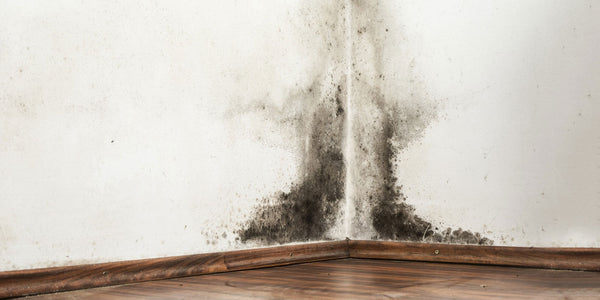
Mold Spores Live in the Air You Breathe
Most people think mold only grows on walls, ceilings, or under sinks. The scary truth? mold spores are invisible and float in the air you breathe every day.
In Florida homes — especially with high humidity and constant AC usage — these airborne spores are everywhere. After years of performing mold inspections, testing, removal, and remediation, I can tell you firsthand: ignoring airborne mold is a recipe for recurring health and indoor air quality problems.
Airborne Mold: The Silent Intruder
Mold reproduces by releasing microscopic spores into the air. These spores are:
- Tiny — you can’t see them
- Lightweight — they float freely
- Ubiquitous — they exist both indoors and outdoors
Normally, your body handles a small amount. But in homes with hidden mold or poor ventilation, spore counts can spike, leading to chronic exposure.
Why Florida Homes Are Particularly Vulnerable
South Florida’s climate is basically mold paradise:
- High humidity year-round
- Frequent storms and rain
- Warm temperatures
- Constant AC operation
Air ducts, vents, and insulation provide ideal surfaces for mold to grow and release spores continuously.
Even if you can’t see visible mold, spores circulate invisibly through your living spaces.
Health Impacts of Airborne Mold
Airborne spores aren’t just a nuisance. They can cause real health problems:
- Sneezing and congestion
- Coughing and wheezing
- Eye or skin irritation
- Chronic headaches
- Aggravated asthma or respiratory conditions
- Fatigue from long-term exposure
Ever feel better when you leave your house? That’s often a sign that indoor air quality is compromised.
What We See in Homes During Inspections
When we inspect Florida homes, we commonly find:
- Mold in HVAC systems — spores distributed throughout the home
- Hidden wall and ceiling growth — moisture behind drywall
- Attic insulation contamination — warm, humid, and neglected spaces
- Bathroom and kitchen leaks — generating spores in hidden cavities
Airborne spores from these areas continuously contaminate indoor air if left untreated.
Why DIY Cleaning Often Fails
Many homeowners try to wipe mold away or use a spray. Here’s the catch:
- Surface cleaning doesn’t stop spores already in the air
- Disturbing mold without containment spreads spores further
- Moisture sources remain untouched, allowing regrowth
Without professional remediation, airborne spores will keep circulating — even after you “clean.”
How Professional Remediation Tackles Airborne Mold
A proper approach includes:
- Identifying and fixing moisture sources — leaks, condensation, humidity
- Using containment barriers — prevents spores from spreading
- Running HEPA air scrubbers — captures airborne spores
- Removing contaminated materials — drywall, insulation, duct insulation
- Post-remediation air testing — ensures the air is safe to breathe
This method reduces spore levels dramatically, protecting both your health and your home.
Preventing Airborne Mold
You can’t eliminate all spores, but you can reduce indoor exposure:
- Maintain humidity below 60%
- Service HVAC systems regularly
- Replace air filters on schedule
- Improve ventilation in bathrooms, kitchens, and attics
- Schedule professional inspections periodically
A proactive approach keeps spores under control before they cause problems.
Final Thoughts: Don’t Ignore What You Can’t See
Mold spores live in the air you breathe, and in Florida homes, they can multiply fast if moisture exists.
Ignoring airborne mold is costly — in terms of health, property damage, and future remediation expenses.
Keep your air clean. Control moisture. Inspect regularly. Because even invisible spores have very visible consequences if left unchecked.
