
Myth #1: “If I Don’t See Mold, I Don’t Have Mold”
Let’s get straight to it: just because you don’t see mold doesn’t mean it isn’t there. This is probably the biggest misconception Florida homeowners have about mold. In humid cities like Hollywood, Tamarac, Miramar, and Fort Lauderdale, hidden mold is incredibly common. Your walls, ceilings, floors, and HVAC systems can be silently harboring colonies, even if everything looks clean on the surface.
Ignoring mold until it’s visible is a risky game. By the time you see that black patch or notice a musty smell, the problem has often been growing for months—or even years. Mold thrives in hidden spaces where moisture and organic material meet, and Florida’s climate practically guarantees that these conditions exist somewhere in your home.
This article will break down why mold is often invisible, what real inspections reveal, health risks, and expert advice on prevention and remediation.
Why Hidden Mold Is More Common Than You Think
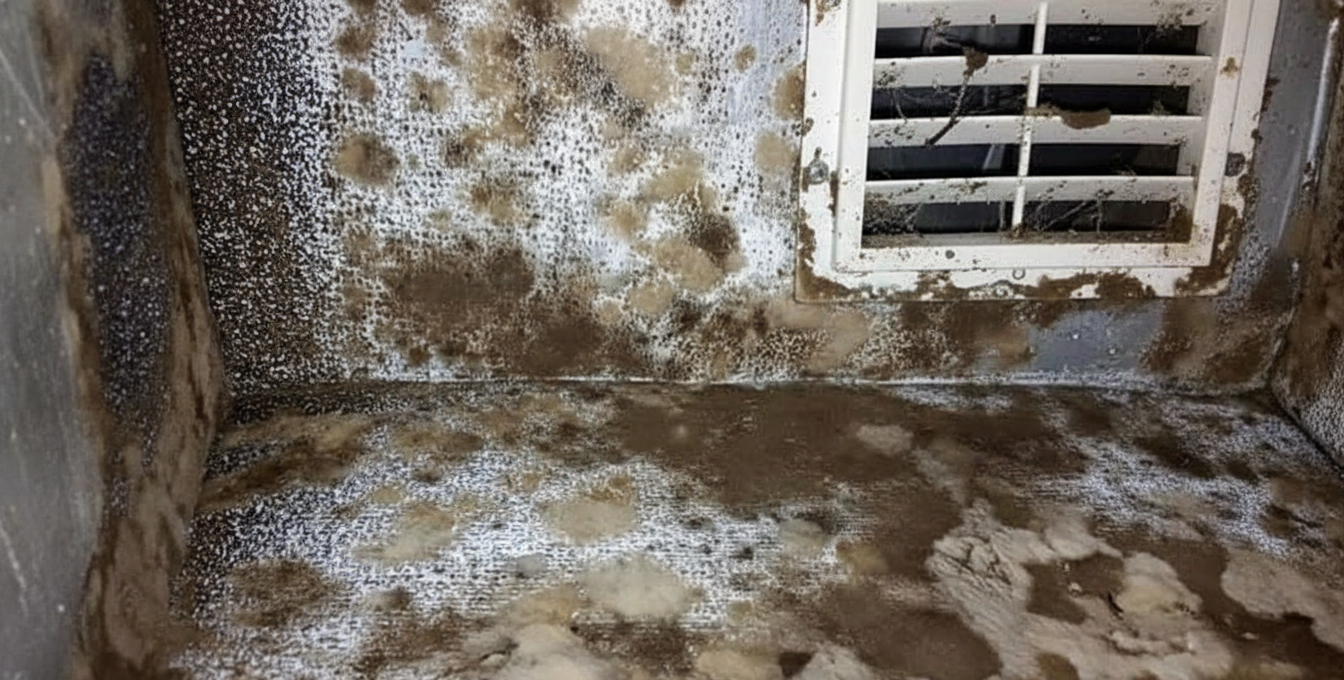
The first thing to understand is that mold grows where you can’t see it. It doesn’t need a visible black spot to exist.
- Inside walls: Leaky pipes, condensation, or roof leaks can saturate drywall and framing. Mold grows inside long before it appears on the surface.
- Under flooring: Carpets, laminate, or tile over concrete slabs can trap moisture, allowing mold to grow underneath.
- Attics and crawlspaces: Poor ventilation and humidity create perfect hidden habitats.
- HVAC systems: Ducts, coils, and air handlers provide moisture and dust for mold colonies that circulate spores throughout your home.
Florida inspections show that over 80% of homes with visible mold also have hidden colonies elsewhere. That means if you can’t see it, it doesn’t mean it’s not there—it just means you haven’t looked closely enough.
How Mold Stays Hidden
Mold has a few tricks that make it nearly invisible until it’s too late:
1. Growth Behind Surfaces
- Mold can colonize drywall, wood studs, and insulation without ever showing signs on the wall surface.
- By the time a patch is visible, colonies have often spread to several areas.
2. Airborne Spores
- Even a small mold colony releases spores that travel through air currents.
- These spores settle in hidden areas, starting new colonies.
3. Slow, Steady Expansion
- Mold grows gradually. It may start as microscopic hyphae in damp material, completely invisible to the naked eye.
- In humid Florida conditions, this expansion can go unnoticed for months.
Health Risks From Hidden Mold
Hidden mold doesn’t just threaten your home—it can impact your health:
- Allergies: Sneezing, congestion, itchy eyes, post-nasal drip
- Respiratory issues: Chronic cough, asthma flare-ups, wheezing
- Fatigue and cognitive effects: Microbial volatile organic compounds (MVOCs) can cause brain fog or low energy
- Skin irritation: Rashes or hives
Children, seniors, and people with respiratory conditions are particularly vulnerable. Often, symptoms improve when leaving the home, which is a key indicator of hidden mold.
Why DIY or Surface-Only Cleaning Isn’t Enough
Many homeowners assume that if the walls look clean, they’re safe. Here’s why that assumption is dangerous:
- Surface-only cleaning: Wiping a wall or ceiling only removes visible spores. Hyphae inside drywall or wood remain untouched.
- Hidden moisture sources: Without fixing leaks or controlling humidity, mold will regrow.
- Airborne spores: Surface cleaning doesn’t stop spores from traveling from hidden colonies to other areas.
DIY approaches often mask the problem rather than solve it. By the time visible mold appears, hidden colonies may already affect indoor air quality.
What Professional Mold Inspections Reveal
Professional inspections in Florida homes consistently reveal:
- Homes with minor visible stains often have mold behind walls, under floors, and inside HVAC systems.
- Air sampling frequently shows spore counts several times higher than outdoor air, even when surfaces look clean.
- Musty odors, allergy symptoms, or unexplained respiratory issues often correlate with hidden mold detected during inspections.
The takeaway is clear: just because you can’t see mold doesn’t mean it isn’t affecting your home or your health.
How Mold Testing Helps
Mold testing is the key to uncovering hidden colonies and clarifying the situation:
Step 1: Visual Inspection
- Check walls, ceilings, attics, crawlspaces, and HVAC systems.
- Look for moisture sources, stains, and musty odors.
Step 2: Sampling
- Air sampling: Measures spores circulating in the home.
- Surface sampling: Tests walls, floors, and HVAC components.
- Bulk or tape sampling: Collects material for lab analysis.
Step 3: Lab Analysis
- Identifies mold species.
- Quantifies spore concentrations.
- Provides actionable recommendations.
Step 4: Remediation Plan
- Professionals outline a step-by-step plan based on location, type, and extent of mold.
- Includes moisture control, removal of contaminated materials, and HVAC cleaning if needed.
Preventing Hidden Mold
Even after testing and remediation, prevention is key:
- Keep indoor humidity between 45–55%
- Ventilate bathrooms, kitchens, and laundry areas to the outside
- Inspect and maintain AC systems, including coils, drain lines, and ducts
- Address musty odors immediately
- Use moisture meters or thermal imaging to detect hidden leaks
Preventive maintenance reduces the chance of hidden mold establishing new colonies.
Case Study: Hidden Mold in Miramar
In one Miramar home, homeowners noticed a small black patch in the bathroom. They cleaned it repeatedly but saw it return. Professional inspection revealed:
- Hidden mold inside the wall cavity behind the tub
- Spores in the HVAC duct system spreading to other rooms
- Elevated humidity in the attic contributing to the problem
After professional remediation, including wall replacement, duct cleaning, and moisture control, air quality improved, allergy symptoms decreased, and mold recurrence was eliminated.
The Bottom Line
The idea that “if I don’t see mold, I don’t have mold” is a dangerous myth in Florida homes. Hidden mold can silently grow behind walls, under floors, inside HVAC systems, and in attics or crawlspaces. Waiting until mold is visible risks health issues, structural damage, and costly remediation.
Professional inspections and testing provide the clarity needed to understand the true extent of mold in your home. Combine this with moisture control, HVAC maintenance, and preventive measures, and you can keep your home healthy and mold-free—even if you can’t see every colony.
Remember: absence of visible mold is not evidence of absence. Hidden mold is real, and ignoring it only makes it worse.
