
Practical Advice From Experts: Black Mold Insights for Homes in Lauderhill
Black mold gets more attention than almost any other household issue, and unfortunately, most of that attention comes wrapped in panic. In Lauderhill homes, we see homeowners either terrified by the term or completely dismissive of it. Neither reaction helps. Black mold is serious, but it’s also predictable, manageable, and heavily misunderstood. Real inspections tell a calmer, clearer story—one that focuses on moisture, conditions, and practical decisions instead of fear.
This guide pulls together practical advice based on real inspection experience in Lauderhill homes. It explains what black mold actually is, where it hides, why it appears, and what homeowners should realistically do when they encounter it.
What “Black Mold” Really Means in Real Homes
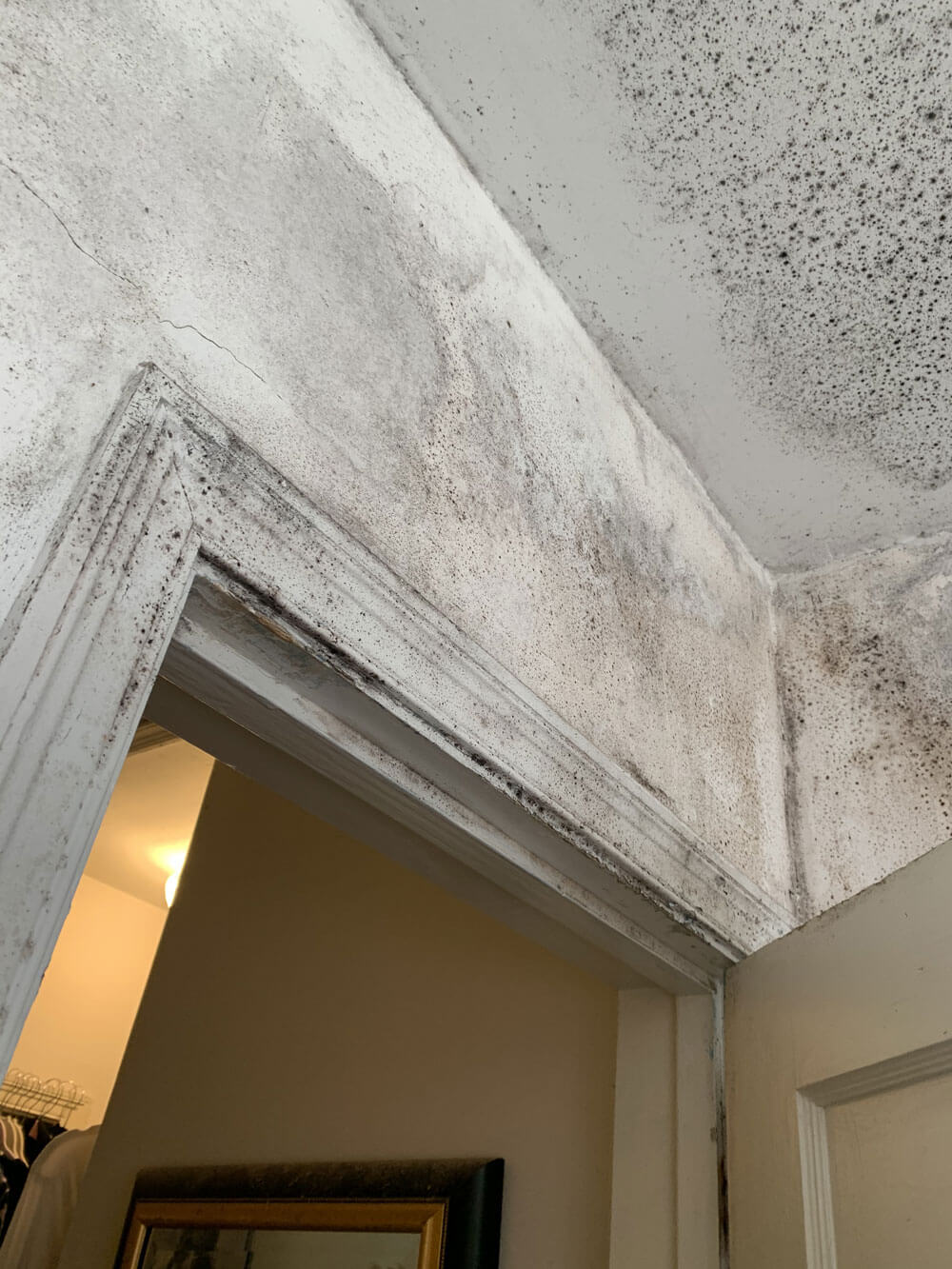
Black mold isn’t a single type of mold, and that fact alone clears up a lot of confusion. The term usually describes dark-colored mold growth found on building materials, especially in damp areas.
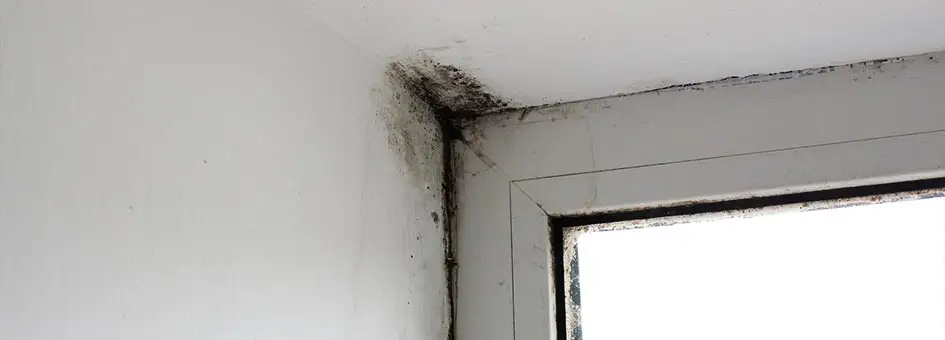
In Lauderhill homes, black mold commonly appears:
- On drywall and ceilings
- Around windows and door frames
- Behind baseboards
- Inside HVAC systems
The color draws attention, but the moisture feeding the mold matters far more than the color itself.
Why Lauderhill Homes Are Prone to Black Mold
Climate Does Most of the Work
Lauderhill’s environment naturally supports mold growth. Warm temperatures, high humidity, and frequent air conditioning use create ideal conditions.
Inspection patterns in Lauderhill homes often reveal:
- Elevated indoor humidity
- Condensation forming regularly
- Materials that never fully dry
When moisture lingers, black mold doesn’t need much encouragement.
Moisture Is Always the Starting Point
No matter how alarming black mold looks, it never appears without moisture. Every inspection traces black mold back to water exposure.
Common moisture sources include:
- Plumbing leaks behind walls
- Roof or window leaks after storms
- AC condensation problems
- Long-term high indoor humidity
If moisture stays present, black mold growth becomes predictable instead of mysterious.
Where Experts Actually Find Black Mold
One of the biggest surprises for homeowners is location. Black mold rarely grows where people expect it to.
During inspections, experts often find black mold:
- Behind drywall that looks clean
- Inside insulation
- Above ceilings
- Inside HVAC ductwork
Visible mold usually represents only a small portion of the total growth.
Why Black Mold Often Appears “Suddenly”
Homeowners often say black mold appeared overnight. Inspections almost always reveal a much longer timeline.
Black mold feels sudden because:
- Growth stayed hidden
- Moisture existed quietly
- Visible signs appeared late
By the time mold becomes obvious, it often has weeks or months of growth behind it.
HVAC Systems Play a Bigger Role Than Most People Think
Airflow Turns Mold Into an Air Quality Issue
In Lauderhill homes, HVAC systems frequently contribute to black mold spread. Condensation inside air handlers and ducts creates ideal growth conditions.
Experts often find:
- Black mold near evaporator coils
- Growth inside return ducts
- Spores circulating throughout the home
Once black mold enters the HVAC system, exposure becomes continuous rather than localized.
Health Concerns Depend on Exposure, Not Headlines
Black mold headlines often exaggerate immediate danger. Real inspection experience shows a more realistic pattern.
Health issues typically involve:
- Respiratory irritation
- Allergy symptoms
- Sinus congestion
- Headaches or fatigue
These symptoms usually develop from long-term exposure, not brief contact.
Why DIY Cleaning Fails With Black Mold
DIY cleaning often makes black mold look better temporarily, which creates false confidence.
DIY methods usually fail because they:
- Remove surface mold only
- Push moisture deeper into materials
- Leave hidden growth untouched
- Ignore HVAC contamination
When black mold returns, it’s not because cleaning “didn’t work”—it’s because moisture never changed.
Porous Materials Make Black Mold Harder to Remove
Drywall, wood, insulation, and carpeting absorb moisture easily. Once black mold takes hold, it grows throughout these materials.
Expert inspections often reveal:
- Mold embedded deep inside drywall
- Insulation fully contaminated
- Structural materials slowly deteriorating
In many cases, removal—not cleaning—is the only effective solution.
Why Containment Matters During Black Mold Removal
Improper removal spreads black mold spores further through the home.
Experts prioritize containment to:
- Prevent cross-contamination
- Protect unaffected areas
- Control airborne spores
Homes that skip containment often see mold appear in new areas after cleanup.
Black Mold and Indoor Air Quality Are Always Connected
Black mold doesn’t stay on surfaces. It affects the air.
During inspections, experts frequently confirm:
- Elevated airborne mold spores
- HVAC systems spreading contamination
- Declining indoor air quality
Removing visible mold without addressing air movement leaves exposure ongoing.
The Real Goal of Black Mold Remediation
The goal isn’t just to remove mold. It’s to stop it from coming back.
Effective remediation focuses on:
- Eliminating moisture sources
- Removing contaminated materials
- Cleaning and treating HVAC systems
- Preventing future moisture buildup
When moisture control improves, black mold loses its ability to survive.
Why Some Black Mold Problems Require Larger Repairs
The severity of black mold depends more on duration than appearance.
More extensive remediation usually involves:
- Long-term moisture exposure
- Growth inside walls and ceilings
- HVAC system involvement
The longer black mold grows unnoticed, the more complex removal becomes.
Practical Prevention Advice From Experts
Prevention works best when it’s consistent and proactive.
Experts recommend:
- Monitoring indoor humidity levels
- Addressing leaks immediately
- Maintaining HVAC systems regularly
- Watching for condensation
Dry homes don’t support black mold growth.
What Homeowners Should Pay Attention To
Experts often advise homeowners to focus on conditions, not fear.
Warning signs that deserve attention include:
- Persistent musty odors
- Repeated staining or discoloration
- Ongoing humidity issues
- Health symptoms that improve outside
Catching these signs early makes a major difference.
Lessons From Real Inspections in Lauderhill
From real inspections, one lesson stands out clearly. Black mold problems make sense once moisture, airflow, and building materials get evaluated together.
Most homeowners don’t cause black mold. They simply don’t see what’s happening behind walls and inside systems.
Final Thoughts: Practical Knowledge Beats Panic
Black mold sounds frightening, but fear rarely leads to good decisions. In Lauderhill homes, real inspections show that black mold follows clear rules tied to moisture, airflow, and time.
When homeowners focus on practical advice instead of panic, black mold becomes manageable instead of overwhelming.
The most important takeaway is simple and empowering:
Control moisture, understand airflow, and black mold loses its place to grow.
