
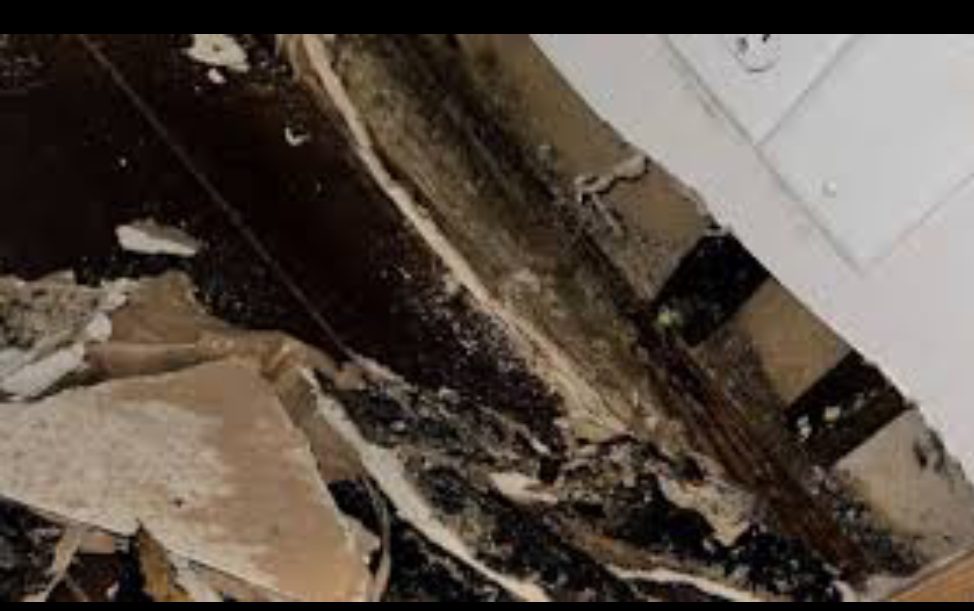
Practical Advice From Experts: Black Mold Insights for Homes in
Black mold is one of the most talked-about issues homeowners in Miramar worry about, and experts see the same concerns come up again and again. The term alone often creates anxiety, but what experienced inspectors and remediation professionals actually find inside homes is far more practical. Black mold problems are almost always driven by moisture and time—not sudden disasters or poor housekeeping.
In Miramar’s humid climate, black mold is less about color and more about conditions. Understanding how and why it develops helps homeowners focus on solutions that work instead of reacting to fear-based information.
One of the most important expert insights is that not all black-looking mold is the same. Mold color does not determine severity. What matters is where the mold is growing, how long it has been there, and whether spores are circulating through the home.
During inspections, black mold is most often found in:
- Behind bathroom and kitchen drywall
- Under sinks with slow plumbing leaks
- Around AC air handlers and drain pans
- Inside ductwork or AC closets with limited airflow
These areas stay damp long enough for mold to grow quietly.
Experts consistently point to long-term moisture as the real cause. Black mold does not appear overnight. It forms when moisture remains present for weeks or months without being corrected.
In Miramar homes, common moisture sources include:
- High indoor humidity
- AC condensation and drain line issues
- Minor plumbing leaks
- Roof or window intrusion
Even small moisture problems can support black mold when ignored.
Another key insight from experts is that black mold is often hidden. Homeowners usually don’t see it until renovations begin, walls are opened, or odors become persistent.
Professionals frequently discover black mold:
- Behind walls that look clean
- Beneath cabinets or flooring
- Inside HVAC components
This explains why mold often seems to “come out of nowhere.”
Experts also emphasize that cleaning alone does not solve black mold problems. Surface cleaning may remove visible staining, but mold grows into porous materials like drywall, wood, and insulation.
When cleaning is the only step taken:
- Mold roots remain inside materials
- Spores continue to release
- Growth returns once moisture remains
This cycle leads to repeated frustration.
HVAC systems play a major role in expert findings. Black mold near air handlers or ducts can spread spores throughout the home every time the system runs.
Experts often hear homeowners say:
- “The smell gets worse when the AC turns on”
- “It keeps showing up in different rooms”
These patterns usually point to HVAC-related moisture and mold.
Another piece of expert advice is to avoid disturbing suspected black mold. Scrubbing or spraying without containment can release spores into the air, increasing exposure and spreading contamination.
Professionals focus on:
- Identifying the full extent of growth
- Containing affected areas
- Removing contaminated materials safely
This prevents mold from spreading during removal.
Experts agree that moisture control is the foundation of any lasting solution. Without correcting moisture, even professional remediation won’t last.
Effective solutions often include:
- Managing indoor humidity
- Fixing AC drainage issues
- Improving ventilation
- Addressing leaks promptly
Once moisture is controlled, black mold stops returning.
Another insight from professionals is that early evaluation limits disruption. When black mold is identified early, remediation is usually more targeted and less invasive.
Delays allow mold to spread into more materials, increasing both cost and repair time.
Experts also caution against relying on fear-based information. Most black mold cases in Miramar homes are manageable when addressed correctly and early.
A practical expert approach focuses on:
- Understanding conditions
- Addressing root causes
- Taking measured, effective action
This protects both property and indoor air quality without panic.
Professional inspections help determine whether black mold is present, where it’s located, and what conditions are allowing it to grow. Inspections focus on moisture, airflow, and hidden areas—not assumptions.
In some cases, mold testing may support findings and clarify indoor air conditions.
Homes in face constant humidity challenges that make black mold a recurring concern when moisture is ignored.
