
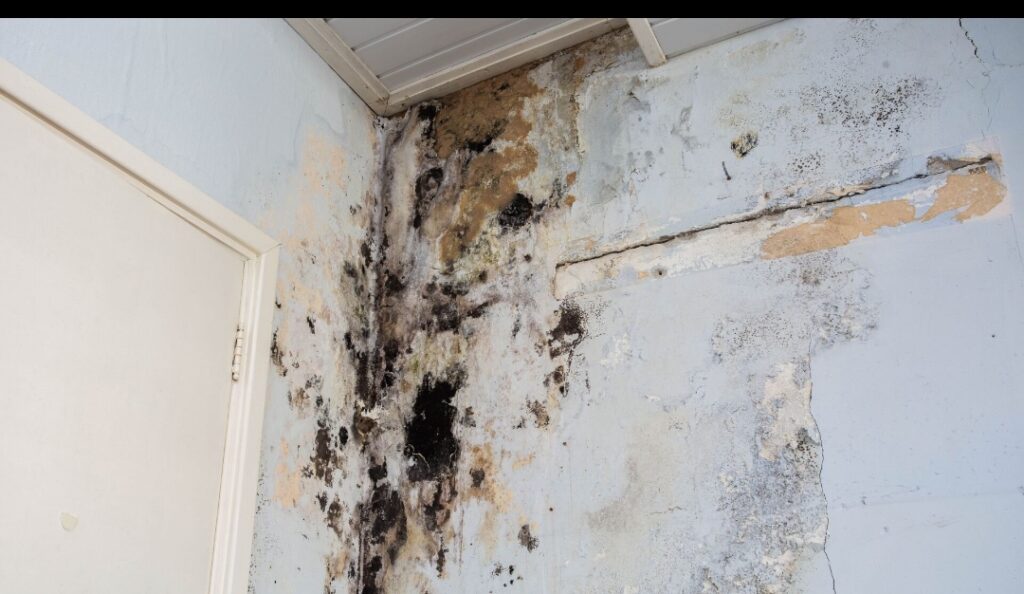
Practical Advice From Experts: Black Mold Insights for Homes in
Let’s talk black mold—without the drama. Homeowners in Plantation hear that phrase and immediately picture worst-case scenarios. Real inspections tell a more grounded story. Black mold behaves like any other mold: it follows moisture, time, and airflow. When experts focus on those basics, problems become manageable instead of overwhelming.
I’ve walked into plenty of Plantation homes where a small dark patch caused a lot of stress. Once we checked humidity, traced moisture, and looked at airflow, the path forward usually became obvious. Mold doesn’t act randomly. It plays by simple rules.
What Experts Mean When They Say “Black Mold”
Here’s the straight talk. “Black mold” describes appearance, not behavior. Color doesn’t decide impact—conditions do.
Experts focus on:
- How wet the area stays
- What material mold grows on
- How long moisture has been present
- Whether spores move through the home
IMO, worrying about color misses the real issue. Fix the conditions, and the color becomes irrelevant.
Why Plantation Homes See Black Mold More Often
Plantation’s warm, humid climate creates long drying times. Even small moisture issues can linger just long enough for mold to grow.
During inspections, experts usually trace black mold back to:
- Elevated indoor humidity
- AC condensation problems
- Poor ventilation in bathrooms or closets
- Old leaks that never fully dried
Black mold doesn’t need flooding. It needs persistence.
Where Experts Actually Find Black Mold
Visible growth is rarely the whole story. Most black mold hides where homeowners don’t look.
Common locations include:
- Behind bathroom and kitchen drywall
- Under sinks with slow leaks
- Inside HVAC air handlers
- Around duct insulation near vents
If you see a little, there’s often more nearby feeding off the same moisture source.
Moisture Control Is the Real Solution
Experts agree on this one thing: no moisture, no mold. Black mold doesn’t care about cleaning products or paint.
Inspections consistently show growth where:
- Condensation forms repeatedly
- Materials stay damp
- Airflow remains limited
Remove moisture, and mold stops growing. Simple, effective, boring science.
Why Bleach and Sprays Fall Short
Bleach may change how mold looks, but it doesn’t remove growth inside porous materials like drywall or wood.
After bleach use, experts often still find:
- Active mold roots
- Regrowth in the same location
- Moisture unchanged
FYI, if moisture stays, mold stays—no matter how strong the smell of the cleaner.
HVAC Systems Spread Black Mold Quietly
When black mold grows near HVAC components, spores travel easily.
Experts frequently see:
- Mold near evaporator coils
- Damp insulation inside air handlers
- Spores circulating through ductwork
That’s how a small growth area affects the entire home’s air.
Humidity Keeps Black Mold Going
Plantation humidity keeps materials damp longer and spores airborne longer.
Inspection readings often show:
- Indoor humidity above recommended levels
- Condensation on vents
- Air that feels damp even when cool
Without humidity control, black mold problems don’t stay contained.
Health Concerns—Expert Perspective
This is where fear tactics usually show up. Real inspection data shows most black mold cases involve long-term air quality irritation, not instant emergencies.
Experts focus on:
- Reducing ongoing exposure
- Improving ventilation
- Correcting moisture conditions
Addressing conditions early keeps risks low and manageable.
How Experts Handle Black Mold Properly
Professional, expert-led approaches focus on:
- Identifying moisture sources
- Containing affected areas
- Removing impacted materials when needed
- Stabilizing humidity and airflow
This works because it fixes the cause, not just the symptom.
Why Inspections Matter More Than Guessing
Experts rely on inspections to replace assumptions with facts. Moisture detection, HVAC evaluation, and targeted inspection show exactly what’s happening.
A proper inspection helps:
- Confirm the true scope of growth
- Avoid unnecessary demolition
- Prevent repeat problems
Guessing almost always costs more.
Final Thoughts
Black mold in Plantation homes doesn’t need fear tactics—it needs practical action. Moisture feeds it. Airflow spreads it. Control moisture, and mold loses.
Homes in deal with humidity year-round, so expert-guided solutions always beat panic.
If you’re dealing with black mold, trust experience, not headlines—and fix the conditions that let it grow.
