
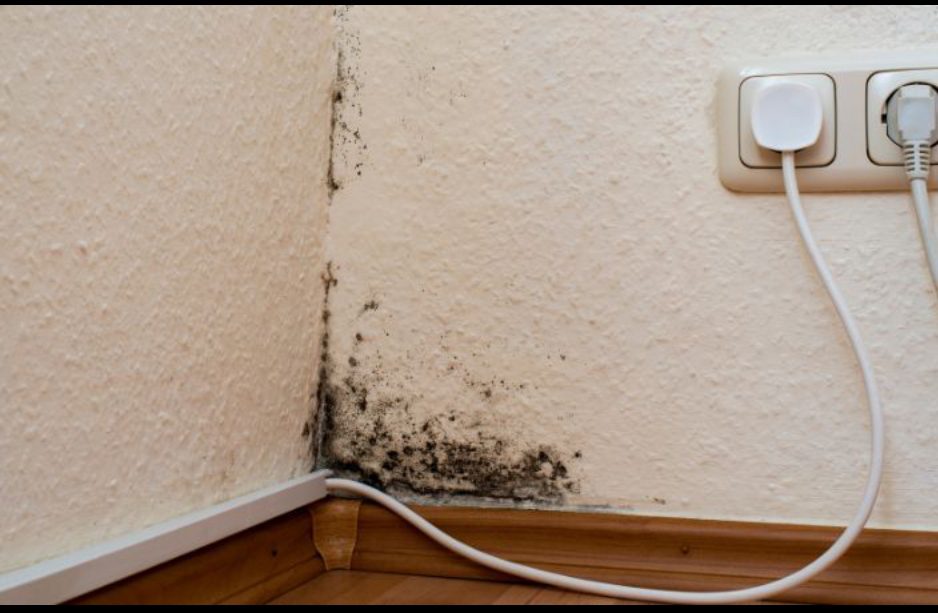
Practical Advice From Experts: Hidden Mold Insights for Homes in Davie
Hidden mold causes the most frustration because you can’t fight what you can’t see. Homes in Davie deal with this all the time—everything looks fine, yet mold keeps popping up or health symptoms won’t go away. That’s usually the moment homeowners realize the problem lives out of sight.
We see this pattern constantly during inspections. Ever wonder how mold spreads when there’s no obvious leak? Let’s talk real-world insight, not guesses.
Where Hidden Mold Loves to Grow in Davie Homes
The Sneakiest Mold Hotspots
Hidden mold doesn’t grow randomly. It follows moisture and settles where airflow stays low.
The most common places we find it include:
- Behind drywall after old leaks
- Inside HVAC systems and ductwork
- Under flooring and baseboards
- Attics and crawl spaces with poor ventilation
Rhetorical question time: if you never look in these places, how would you know mold isn’t there?
Moisture Is Always the Root Cause
Mold Never Shows Up Without Water
Every hidden mold case we inspect connects back to moisture. Sometimes it’s obvious, and sometimes it’s been quietly feeding mold for months.
Common moisture sources include:
- AC condensation problems
- Minor plumbing leaks
- Roof or window seal failures
- High indoor humidity
IMO, moisture problems don’t announce themselves—they whisper until mold answers.
HVAC Systems Make Hidden Mold a Bigger Issue
Airflow Spreads What You Can’t See
Once mold grows inside the HVAC system, spores travel everywhere. That’s how a hidden issue turns into a whole-home problem.
We frequently find:
- Mold on evaporator coils
- Growth inside blower compartments
- Contaminated duct insulation
- Moisture pooling in drain pans
FYI, this is why mold often reappears in multiple rooms even after cleaning one area.
Why DIY Cleaning Misses Hidden Mold Every Time
Surface Cleaning Doesn’t Reach the Problem
DIY cleaning focuses on visible mold, but hidden mold stays untouched. Worse, cleaning without containment can spread spores.
DIY efforts usually:
- Remove surface stains only
- Leave mold roots intact
- Spread spores through the air
That’s why mold keeps coming back and homeowners feel stuck in a loop.
Why Mold Inspection and Testing Matter So Much
You Can’t Fix What You Haven’t Found
Mold inspection locates hidden growth and moisture sources. Mold testing confirms how far contamination spreads and how severe it is.
A smart approach includes:
- Mold inspection to uncover hidden areas
- Mold testing to measure airborne spores
- Targeted mold removal of affected materials
- Full mold remediation to stop regrowth
Skipping inspection almost always means something gets missed.
Davie Homes Face Ongoing Hidden Mold Pressure
Climate Keeps Mold Active
High humidity and constant AC use keep moisture present year-round in Davie. Mold doesn’t need floods—it thrives on small, ongoing moisture issues.
Homes with higher risk often have:
- Older HVAC systems
- Previous water damage
- Poor ventilation
Across Broward County, Davie homes follow the same hidden mold patterns we see everywhere else.
Practical Ways to Reduce Hidden Mold Risk
Focus on Prevention, Not Reaction
You don’t need extreme measures—just consistent ones.
What actually helps:
- Regular mold inspections, especially after leaks or AC issues
- Mold testing if odors or health symptoms appear
- Professional mold remediation instead of surface cleaning
- Moisture control through ventilation and HVAC maintenance
Why wait for mold to show itself when prevention works better?
Final Thoughts: Hidden Mold Becomes Manageable With the Right Approach
Hidden mold doesn’t mean hopeless mold. In Davie homes, the biggest problems come from moisture left unchecked and growth left unseen.
When mold inspection, mold testing, mold removal, and mold remediation work together, hidden mold stops being a mystery and becomes a solvable issue. And honestly, solving it once beats chasing it forever.
