

Practical Advice From Experts: Hidden Mold Insights for Homes in Miramar
You clean your home, vacuum regularly, wipe every surface, and still… something smells off. Sound familiar? After years inspecting homes in Miramar, I’ve learned that hidden mold doesn’t care how clean your home looks on the surface.
I’ve walked into beautiful homes with spotless kitchens and polished floors, only to find serious mold problems quietly growing behind walls. Ever wondered how mold appears in homes that look perfectly fine? Let’s talk real-world inspection lessons so you can catch mold early instead of fighting it later.
Why Hidden Mold Is So Common in Miramar Homes
Miramar homes deal with heat, humidity, heavy rains, and nonstop AC usage. Those factors create ideal conditions for moisture buildup, and moisture invites mold.
Mold doesn’t need visible flooding. It thrives with:
- Slow plumbing leaks
- AC condensation buildup
- Roof leaks after storms
- Poor attic ventilation
- Window leaks during heavy rain
- Damp air trapped indoors
Here’s the key insight: mold grows where moisture hides, not where homeowners look.
And moisture loves hiding.
So ask yourself — when did you last check areas behind walls or inside ducts?
Where Experts Actually Find Hidden Mold
Homeowners usually check bathrooms and kitchens first, but inspections often tell a different story.
Most Common Hidden Mold Locations
During mold inspections in Miramar, we repeatedly find mold in:
- Behind drywall after plumbing leaks
- Under carpets or wood flooring
- Inside closets along exterior walls
- Behind kitchen or bathroom cabinets
- Inside HVAC duct systems
- In attics and crawl spaces
- Around window frames after storms
One homeowner insisted their home was mold-free because every room looked clean. We checked a closet wall and discovered mold growing from a small pipe leak nobody noticed.
Ever think a closet could cause air quality problems?
AC Systems: A Sneaky Mold Factory
IMO, air conditioning systems cause more hidden mold problems than storms do in Miramar homes.
Why? Because AC systems constantly generate moisture.
Common AC Mold Causes
Experts often find:
- Clogged AC drain lines overflowing
- Damp duct insulation
- Sweating air vents
- Dirty evaporator coils trapping moisture
- Poor airflow creating condensation
Once mold grows inside ducts, spores travel through the entire home.
Regular AC inspection and duct cleaning prevent mold from spreading room to room.
Have you ever noticed musty smells when your AC turns on?
Why Mold Often Grows in Rooms Nobody Uses
Funny enough, the rooms people use least often create major mold problems.
Mold-Friendly Rooms in Homes
Hidden mold frequently grows in:
- Guest bedrooms
- Storage rooms
- Closed-off offices
- Garage-adjacent rooms
- Closets packed with boxes
- Areas with poor airflow
These spaces trap humidity and rarely get checked. Mold quietly grows while everyone focuses on visible areas.
Sneaky mold behavior, right? 🙂
Warning Signs Hidden Mold Might Already Exist
Most Miramar homeowners call inspectors after mold spreads. But your home usually gives early hints first.
Signs You Shouldn’t Ignore
Watch for:
- Persistent musty smells
- Allergy symptoms worsening indoors
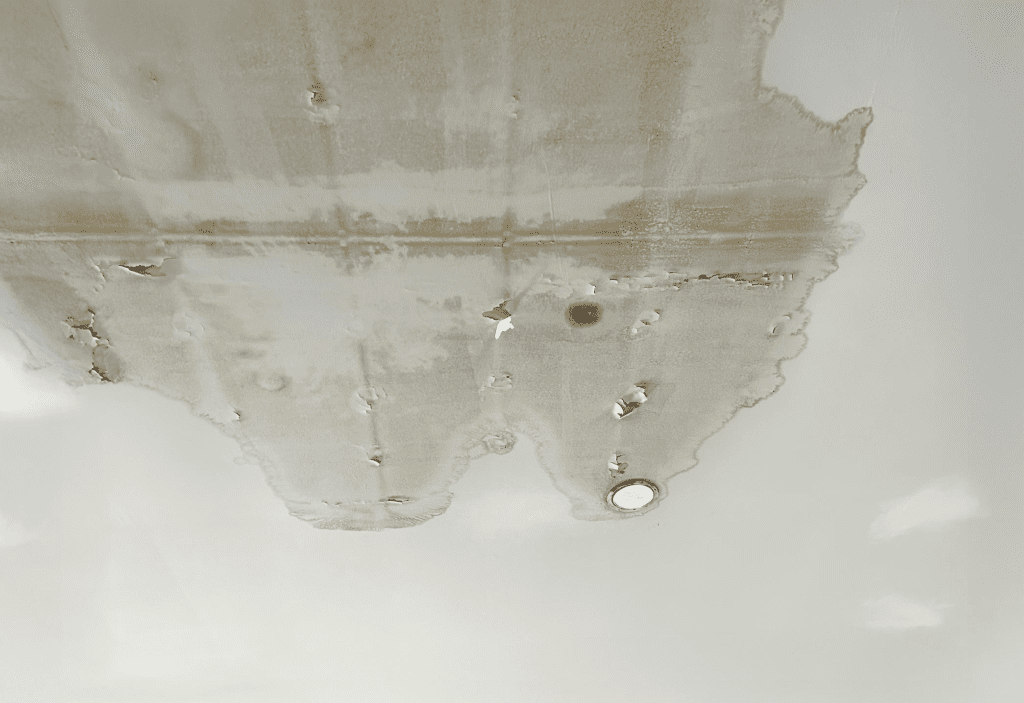
- Paint peeling or bubbling
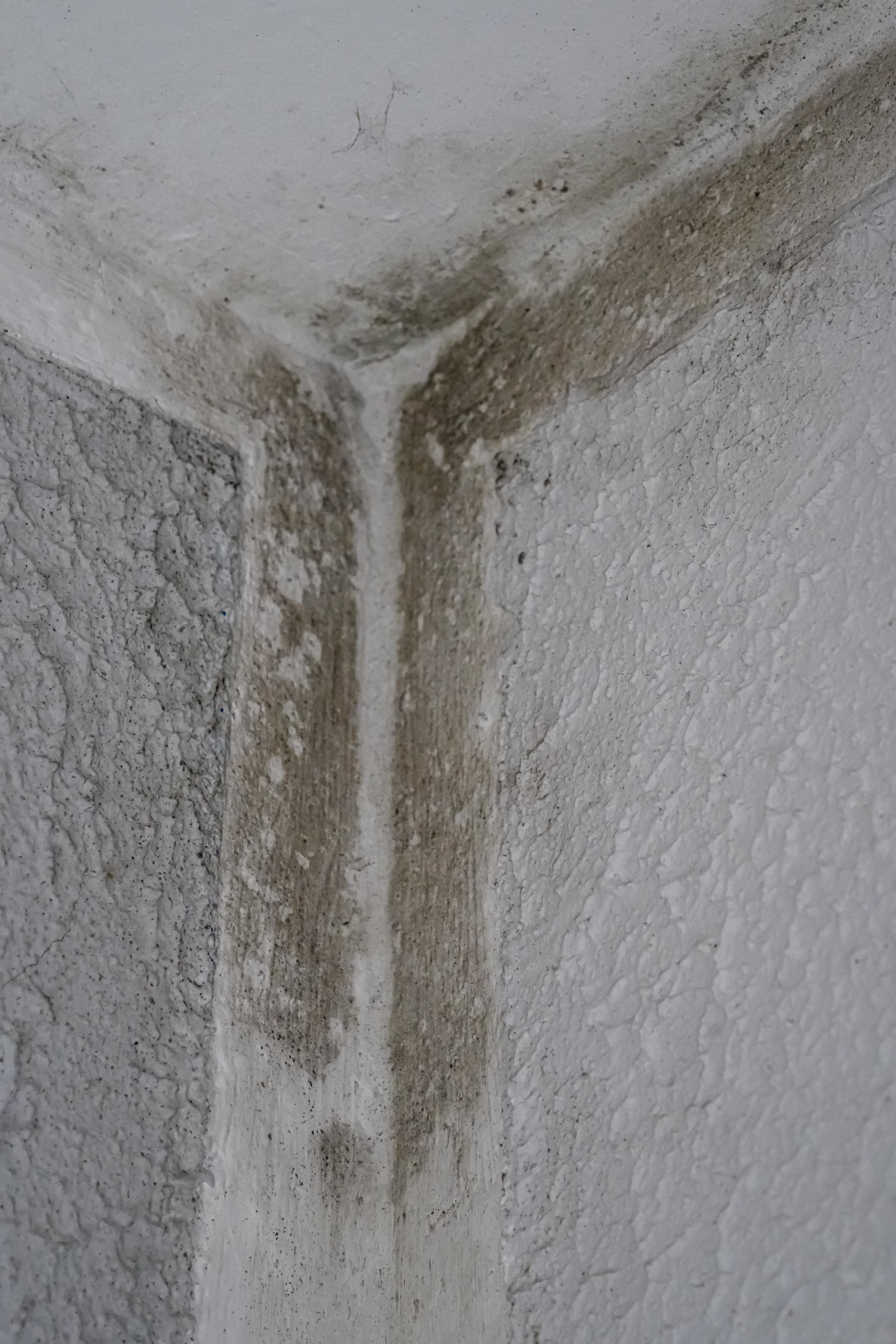
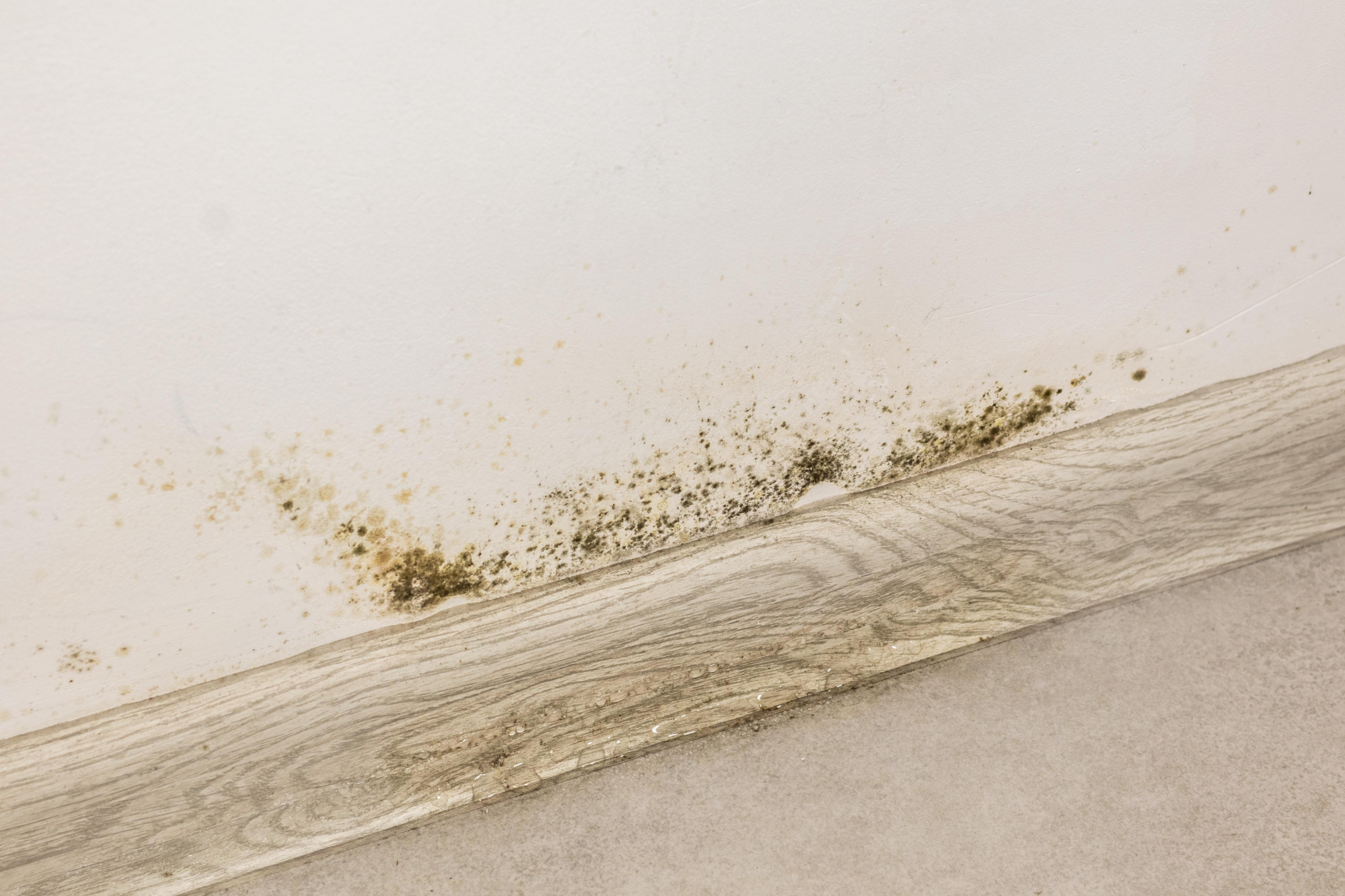
- Dark stains reappearing
- Warped baseboards or flooring
- Rooms feeling humid
- Condensation on vents or windows
Let me ask you this: does one room always smell weird after rainstorms?
That often signals hidden moisture problems.
Your nose often detects mold long before your eyes do.
What Experts Actually Do During Mold Inspections
Many people think inspectors just walk around looking at walls. Real inspections involve technology that reveals hidden problems.
Step-by-Step Mold Inspection Process
A professional inspection usually includes:
- Full property walkthrough
- Moisture meter testing inside walls and floors
- Thermal imaging to detect damp areas
- Air quality testing for mold spores
- Surface testing when mold appears visible
- HVAC and duct inspections
- Attic and crawl space checks
Experts then provide:
- Moisture source identification
- Mold risk evaluation
- Repair recommendations
- Prevention guidance
Because here’s the truth: removing mold without fixing moisture guarantees mold returns.
Ever cleaned mold and watched it come back months later?
Biggest Mistakes Homeowners Make With Mold
FYI, mold problems often grow because homeowners try quick fixes instead of solving moisture issues.
Common Mold Mistakes
• Painting over mold spots
• Cleaning mold without fixing leaks
• Ignoring small plumbing drips
• Skipping AC maintenance
• Waiting months before inspection
• Using bleach but leaving moisture behind
Quick fixes hide mold temporarily. Mold returns if moisture stays.
Stop moisture, and mold loses its advantage.
How Mold Inspections Save Money Long-Term
Many homeowners hesitate because they worry about inspection costs. Ironically, inspections usually prevent bigger expenses later.
Inspections help homeowners:
- Catch leaks early
- Stop mold spreading to new rooms
- Protect drywall and flooring
- Prevent HVAC contamination
- Improve indoor air quality
- Avoid expensive renovations
A small inspection today often saves thousands tomorrow.
Nobody enjoys surprise mold remediation bills.
Practical Mold Prevention Advice for Miramar Homes
After inspecting countless homes, prevention almost always comes down to moisture control.
Simple Mold Prevention Steps
Follow these tips:
- Keep indoor humidity below 50%
- Fix leaks immediately
- Service AC systems yearly
- Keep vents unobstructed
- Use bathroom exhaust fans
- Improve attic ventilation
- Dry wet areas within 24 hours
Prevention always beats cleanup. Why let mold win when stopping it early stays easier?
Real Inspection Example From Miramar
One Miramar homeowner complained about constant coughing and allergy symptoms but saw no visible mold. Inspection revealed heavy mold growth inside attic insulation due to trapped humidity.
Once ventilation improved and remediation finished, indoor air quality improved dramatically.
Sometimes mold hides in places nobody ever checks.
Final Thoughts: Hidden Mold Rarely Fixes Itself
Hidden mold spreads quietly, damages homes, and affects indoor air quality long before homeowners notice it.
Professional mold inspections help Miramar homeowners detect moisture problems early, protect their homes, and avoid costly repairs. Early action saves money, stress, and health concerns.
So next time you smell something musty or notice unexplained dampness, ask yourself: should I get this checked now before things get worse?
Trust me, your future self—and your home—will appreciate acting sooner rather than later :/
