
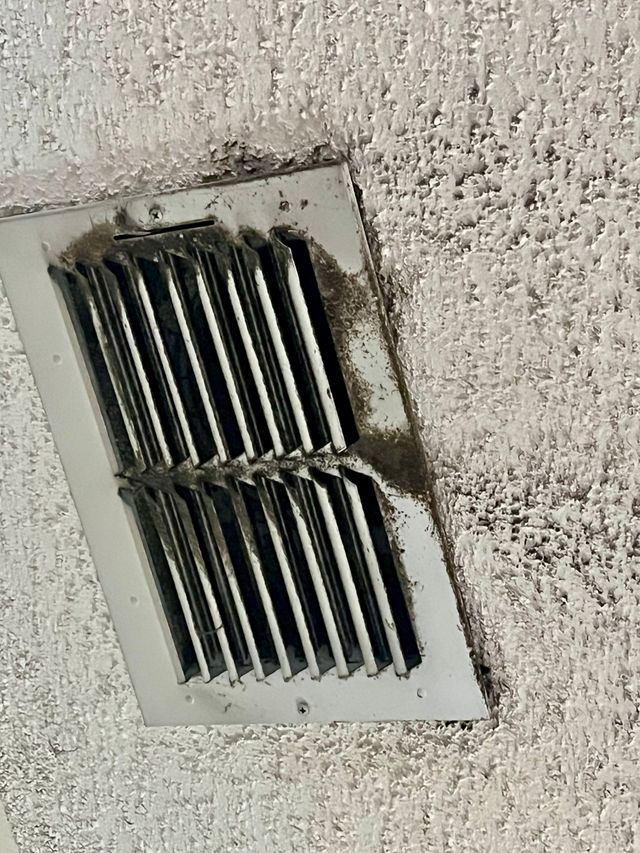
Practical Advice From Experts: Hidden Mold Insights for Homes in Sunrise
Hidden mold doesn’t show up with a warning label. It settles in quietly, hangs out behind walls, and lets homeowners blame allergies, dust, or “Florida air” for way too long. I’ve inspected plenty of homes in Sunrise, and hidden mold almost always causes more confusion than visible mold ever does.
This isn’t about worst-case scenarios or scare tactics. This is practical advice straight from real inspections—what experts actually look for, why hidden mold gets missed, and how homeowners can stay ahead of it without tearing their house apart.
What Experts Mean by “Hidden Mold”
Hidden mold isn’t rare, exotic, or sneaky by nature. It’s just mold growing where people don’t look.
Experts most often find hidden mold:
- Inside wall cavities
- Behind bathroom and kitchen cabinets
- Under flooring
- Inside HVAC systems and ductwork
- Above ceilings and soffits
If mold grows out of sight, it still releases spores into the air. The exposure stays real even when the source stays invisible.
Why Sunrise Homes See Hidden Mold So Often
Humidity Never Fully Lets Go
Sunrise homes deal with warm, humid air most of the year. That moisture doesn’t stay outdoors.
Humid air moves through:
- Walls
- Attics
- HVAC systems
When that air cools down indoors, moisture condenses on surfaces you never see. Mold doesn’t need a flood. It needs moisture that hangs around.
Tight Homes Trap Moisture
Energy-efficient homes seal tightly. That helps utility bills but traps moisture inside.
Without strong ventilation and humidity control, moisture settles into hidden spaces. Mold follows consistency, not chaos.
The First Thing Experts Check: Moisture, Not Mold
Moisture Always Comes First
Experienced inspectors don’t start by hunting mold. They start by hunting moisture.
They check:
- Indoor humidity levels
- HVAC drain pans and lines
- Duct insulation and leakage
- Plumbing connections
- Bathroom and kitchen ventilation
If moisture exists, mold becomes a timing issue. Finding moisture early prevents hidden growth later.
Condensation Beats Leaks Every Time
Leaks get attention. Condensation doesn’t.
Condensation forms when warm, humid air meets cooler surfaces. Behind walls and inside ducts, that process repeats daily without leaving stains.
Experts see condensation cause more hidden mold than plumbing failures in Sunrise homes.
HVAC Systems Hide Mold Better Than Any Wall
Why HVAC Systems Become Mold Sources
HVAC systems create condensation by design. That’s normal.
Problems start when:
- Drain lines clog
- Drain pans rust
- Coils stay dirty
- Airflow becomes uneven
Moisture lingers, and mold grows quietly inside the system.
Ductwork Turns Hidden Mold Into Daily Exposure
Mold inside ducts doesn’t stay put. Every time the system runs, spores circulate.
That’s why experts always evaluate HVAC systems when homeowners report symptoms but see no visible mold.
Why Bathrooms and Kitchens Are High-Risk Zones
Steam Goes Where You Don’t See It
Hot showers release moisture fast. Without proper exhaust, that moisture moves into wall cavities and ceilings.
Hidden mold often grows:
- Behind shower walls
- Above bathroom ceilings
- Inside wall cavities near tubs
Kitchens and laundry rooms behave the same way. Moisture travels, even when surfaces look dry.
Ventilation Mistakes Add Up
Fans that vent into attics or don’t move enough air create perfect hidden mold conditions.
Experts always check where fans vent, not just whether they turn on.
Early Signs Experts Take Seriously
Hidden mold usually announces itself indirectly.
Experts pay attention when homeowners mention:
- Musty smells that come and go
- Allergy symptoms that worsen at home
- Headaches or fatigue indoors
- Air that feels stale even when cool
- Odors that appear when the AC runs
These signs don’t prove mold, but they justify investigation. Ignoring them costs more later.
Why DIY Checks Miss Hidden Mold
Visual Checks Only Catch Surface Problems
You can’t see inside walls or ducts without tools. That’s not a failure—it’s physics.
Professionals use:
- Moisture meters
- Thermal imaging
- Air sampling
- HVAC inspections
DIY checks usually stop at what eyes can see. Hidden mold stays hidden.
Cleaning Doesn’t Fix What You Can’t Reach
Wiping surfaces doesn’t affect mold behind walls. Sprays don’t change humidity or airflow.
If moisture remains, mold keeps growing no matter how clean the house looks.
Health Complaints That Often Trace Back to Hidden Mold
Subtle, Long-Term Symptoms
Hidden mold exposure often feels low-grade but constant.
Homeowners report:
- Chronic congestion
- Sneezing indoors
- Irritated eyes
- Trouble sleeping
- Ongoing fatigue
Symptoms often ease outside the home and return inside. That pattern raises red flags for experts.
HVAC Mold Makes Exposure Consistent
When hidden mold lives inside HVAC systems, exposure happens daily. There’s no real break.
That consistency explains why symptoms linger even when visible mold stays absent.
Common Mistakes Experts See Homeowners Make
After years of inspections, the same errors repeat:
- Waiting for visible mold
- Assuming humidity is “just Florida”
- Ignoring HVAC systems
- Treating mold as a surface issue
- Fixing leaks but not airflow
These mistakes delay real solutions and allow hidden mold to spread quietly.
Practical Steps That Actually Reduce Hidden Mold Risk
You don’t need extreme measures. You need consistency.
Experts recommend:
- Monitoring indoor humidity regularly
- Maintaining HVAC systems on schedule
- Sealing and insulating ductwork
- Venting bathrooms and kitchens properly
- Fixing small leaks immediately
Moisture control prevents hidden mold more effectively than cleanup ever will.
When Hidden Mold Inspections Make Sense
Experts suggest inspections when homeowners notice:
- Persistent musty odors
- Allergy symptoms tied to the home
- Past water damage
- Ongoing humidity problems
- HVAC moisture or condensation issues
Inspections work best when they focus on moisture and airflow, not just mold samples.
Lessons From Real Homes in Sunrise
Across inspections, one lesson stays consistent. Homes with controlled humidity and maintained HVAC systems show fewer hidden mold problems.
Homes that ignore moisture issues often chase symptoms instead of causes. Once moisture gets managed, hidden mold stops being mysterious.
IMO, most hidden mold problems feel complicated only until homeowners focus on moisture first.
Simple Takeaways Homeowners Can Use
Here’s the expert version without the fluff:
- Mold follows moisture
- Hidden spaces dry slowly
- HVAC systems spread exposure
- Ventilation prevents buildup
- Moisture control stops regrowth
That’s the whole strategy.
Final Thoughts: Practical Action Beats Guesswork Every Time
Hidden mold doesn’t require panic or demolition. Homes in Sunrise face real humidity challenges, and hidden spaces respond to those challenges quietly.
When homeowners focus on moisture, airflow, and maintenance, hidden mold loses its advantage. Practical advice from experts always beats guessing, and it keeps homes healthier without unnecessary stress or surprise repairs.
