
Practical Advice From Experts: HVAC Mold Insights for Homes in Weston
HVAC mold doesn’t show up with flashing warning signs. It sneaks in quietly, spreads through the system designed to keep you comfortable, and usually gets noticed only after something feels off. Homes in Weston experience this more often than people expect, even in newer or well-maintained properties. The issue isn’t neglect—it’s how Florida’s climate interacts with HVAC systems.
After reviewing real inspections and long-term patterns, experts keep seeing the same causes, mistakes, and missed opportunities.
Why HVAC Systems Attract Mold in the First Place
Mold doesn’t choose HVAC systems randomly. These systems create ideal conditions without anyone realizing it. Cooling cycles generate moisture, airflow spreads spores, and enclosed components limit drying.
HVAC systems encourage mold because:
- Condensation forms during cooling
- Dark internal spaces stay damp
- Dust provides food for mold
- Humidity stays elevated year-round
Ever notice how AC components feel wet long after the system shuts off? Mold notices too.
How Mold First Gets Inside HVAC Systems
Mold Starts With Moisture, Not Dirt
Mold spores already exist indoors. Problems start when moisture allows them to activate inside HVAC components. In Weston homes, this happens quickly due to frequent AC use.
Common entry points include:
- Condensation on evaporator coils
- Standing water in drain pans
- Moist insulation inside air handlers
- Poorly sealed duct connections
- Water intrusion near AC closets
IMO, drain pan and coil moisture cause more HVAC mold than major leaks because they occur constantly and quietly.
The Air Handler: Where Mold Often Begins
Inspections regularly show mold starting inside air handlers. These units collect moisture, dust, and darkness in one place, creating a perfect environment for growth.
Mold frequently appears on:
- Evaporator coils
- Drain pans
- Interior cabinet walls
- Insulation linings
Once mold establishes itself here, airflow helps it move everywhere else.
How HVAC Systems Spread Mold Through the Home
HVAC systems don’t contain mold—they distribute it. When mold grows inside the system, spores travel through ductwork and settle throughout the home.
This often results in:
- Musty odors in multiple rooms
- Recurring mold near vents
- Dust that returns quickly
- Allergy or respiratory irritation
- Uneven comfort indoors
Ever clean one room only to smell mold somewhere else later? That’s airflow doing its job.
Why Weston Homes Face Unique HVAC Mold Risks
Weston homes often feature tight construction, energy-efficient designs, and heavy AC usage. These features improve comfort but can trap moisture if ventilation falls short.
Local risk factors include:
- High humidity year-round
- Long AC run times
- Condensation-prone duct systems
- Limited natural ventilation
- Storm-related moisture intrusion
Even newer homes develop HVAC mold when moisture control slips.
What Real HVAC Inspections Reveal
Inspections focused on HVAC systems almost always uncover more than homeowners expect. Clean vents don’t guarantee a clean system.
Common inspection findings include:
- Mold inside air handlers
- Contaminated duct interiors
- Moisture buildup near coils
- Elevated airborne spore levels
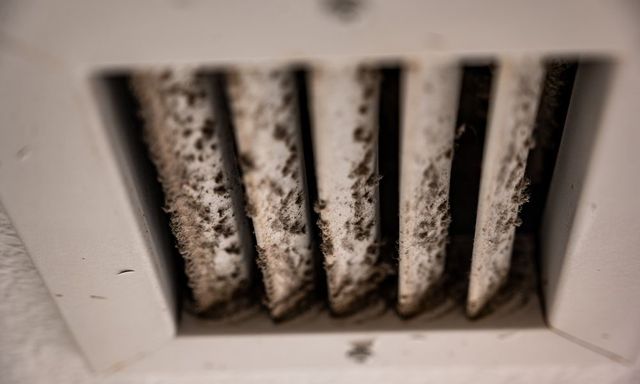
- Hidden growth near supply and return vents
FYI, HVAC-related mold usually spreads long before visible mold appears inside living spaces.
Why Mold Testing Matters for HVAC Issues
Data Replaces Assumptions
Mold testing helps confirm whether HVAC systems circulate contamination. Air samples reveal what occupants breathe daily, not just what sits on surfaces.
Testing helps:
- Measure airborne mold levels
- Confirm HVAC involvement
- Determine contamination severity
- Guide remediation scope
- Track improvement after cleanup
Skipping testing often leads to underestimating how widespread the issue really is.
Air Duct Cleaning vs. Mold Remediation: What Experts Stress
Many homeowners assume air duct cleaning solves HVAC mold problems. Experts see the opposite when contamination exists.
The distinction matters:
- Air duct cleaning removes dust and debris
- Mold remediation removes contamination and fixes moisture conditions
When mold grows inside HVAC systems, duct cleaning alone never delivers lasting results.
Why DIY HVAC Mold Cleaning Falls Short
DIY efforts usually focus on vents, filters, or visible areas. Mold rarely lives there alone.
DIY HVAC cleaning fails because:
- Hidden components stay contaminated
- Moisture sources remain active
- No containment prevents spore spread
- Air handlers and duct interiors stay untouched
Scrubbing vents without addressing the system often spreads spores further.
How Professional Mold Remediation Handles HVAC Systems
Experts treat HVAC systems as part of the overall mold problem, not an isolated issue. Proper remediation prevents mold from circulating during cleanup.
Professional remediation typically includes:
- Containment to protect clean areas
- HEPA air filtration
- Cleaning or removal of contaminated components
- Correcting moisture and drainage issues
- Verification of safe indoor conditions
This approach stops mold from moving instead of chasing it around the house.
The Long-Term Impact on Comfort and Health
HVAC mold doesn’t always cause dramatic symptoms, but long-term exposure adds up.
Common effects include:
- Persistent musty odors
- Allergy or sinus irritation
- Fatigue indoors
- Rooms that never feel comfortable
- Uneven cooling and airflow
Many homeowners connect these issues to HVAC systems only after inspections reveal the source.
What Early Action Saves Homeowners
Inspection data shows a clear trend. Homes addressing HVAC mold early avoid larger problems later.
Early action helps:
- Limit remediation costs
- Protect HVAC equipment
- Improve indoor air quality
- Maintain energy efficiency
- Prevent mold spread into living spaces
Waiting rarely saves money. It usually multiplies the issue.
Practical Steps Homeowners Can Take Now
Prevention doesn’t require panic—just awareness.
Smart steps include:
- Monitoring indoor humidity
- Addressing AC drainage issues promptly
- Watching for condensation near vents
- Investigating musty odors early
- Scheduling inspections when symptoms appear
Small actions now prevent major repairs later.
Final Thoughts: HVAC Mold Follows Conditions, Not Luck
HVAC mold doesn’t appear randomly. It grows when moisture, humidity, and airflow combine in the wrong way. Homes in Weston show that understanding the system—and acting early—makes all the difference.
Fix the moisture, protect the system, and mold usually loses its foothold. Practical advice beats panic every time .
